

War Horse in Brighton
National Theatre’s War Horse photographed on Brighton Beach as part of UK tour publicity
The amazing Joey again, this time around various Brighton landmarks to publicise the upcoming UK tour.
We started early on Brighton beach, with the sun to the South-West - low and strong - exactly what I didn't want. Ideal for a silhouette - but Joey doesn't make for a silhouette.
Yes, we could have moved to the other side of the pier to have the sun lighting it from the side, but that would have been a bit of a hassle to move, and too easy to shoot. He's quite large, so I doubled up flashes and set them to full power to overpower the sun. A third flash was used to light his face.

Moving further down the beach, something similar but facing out of shot:

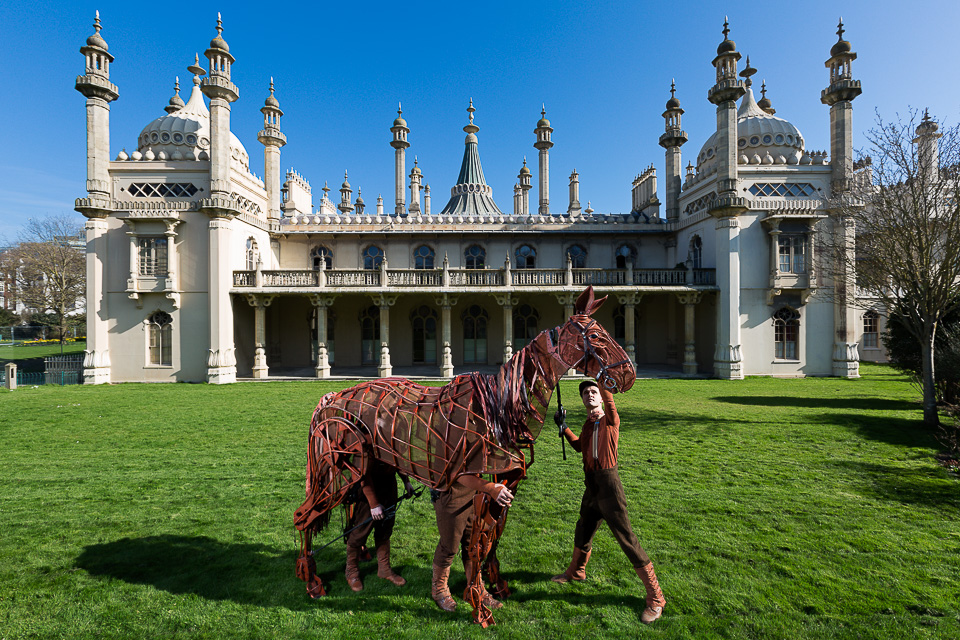
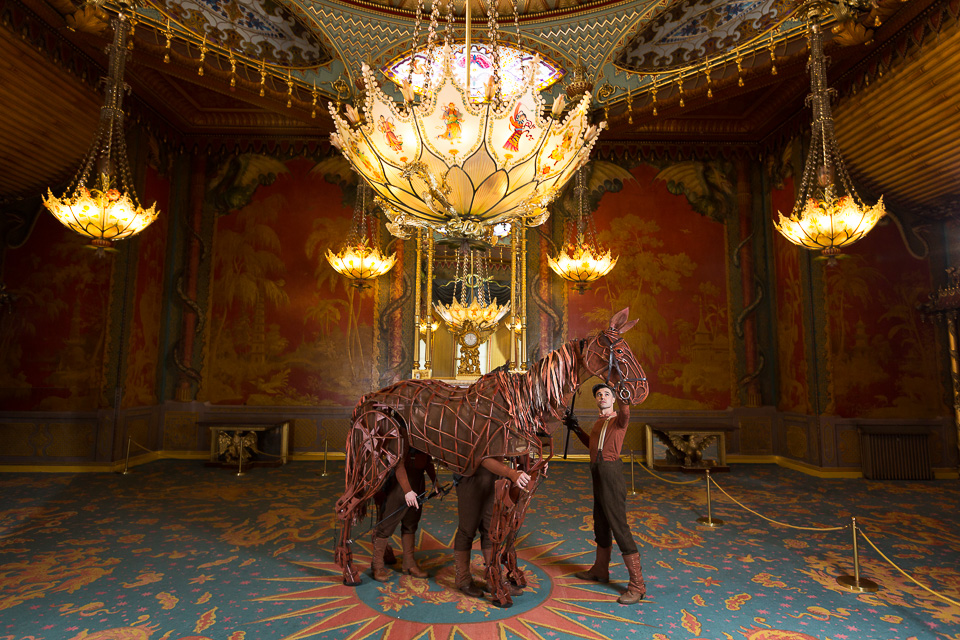
After a public launch event, we went to the Royal Pavilion where I shot similar from a stepladder. Other than rearing (which I liked less) there's not much for Joey to do, so it actually comes down to Jack (who controls Joey's head) to take more of a role. When I couldn't see Jack's face, it just didn't work. Finally we went inside to this lovely room (below) for one more quick photo to the bemusement of the many visitors just off camera left.
It's an amazing show - see it if you can.

Jane Eyre
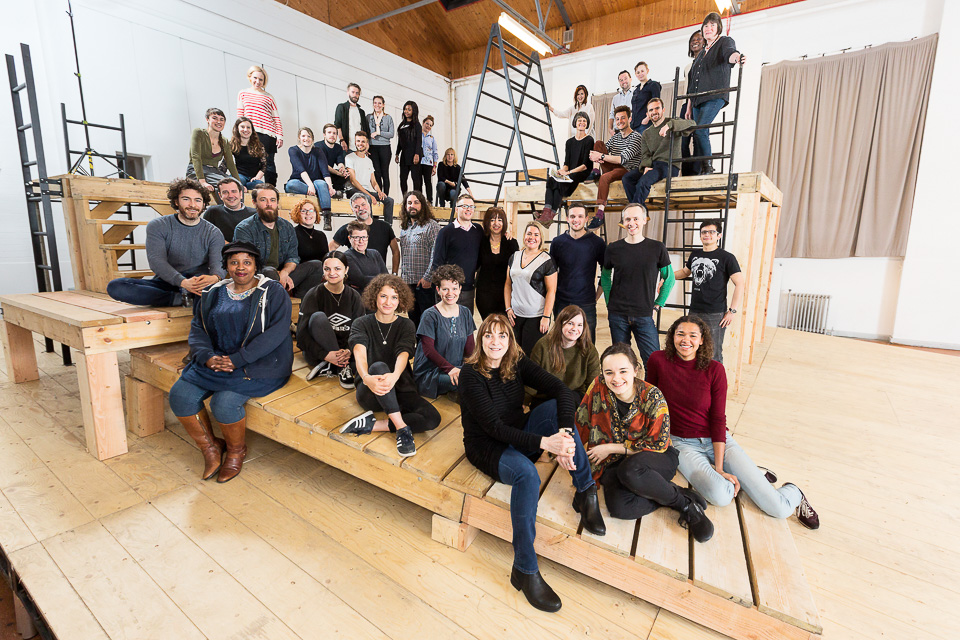
My approach to a large group photo of the Jane Eyre cast and crew on set, shot for National Theatre
Following a critically acclaimed season at the National Theatre, Jane Eyre is touring the UK from April. I was commissioned to photograph the cast and crew on their first day of rehearsals.
Normally, these take place in a large, open space with chairs which we arrange so as not to have everyone just standing in a line. It's a quick group shot, a smaller group of the cast, and then a shot of the lead(s).
This time, I walked in to see this great set:

Finally, a chance to place people on different levels, where they can have different poses in, on and around a relevant and interesting location.
Except...
The first thing is that when something looks good, it doesn't necessarily translate well or immediately in a photo. This angle is ok, but I didn't much want to include the fire exit to the left of A, nor the lights above the stage. Also, somehow I always feel I want to get in "among" a location, but by shooting from points A or B, at once I lose 1/4 of the useful area of stage, as well as showing the doors, tables, fire exits etc. (out of shot).
It seems something from around the bottom/left of the ramp is probably the best option.
As for lighting, the yellowish ambient is 1/60 at f5 on 1250 ISO, but I've brightened it up here so it's perhaps a stop or so less. Ideally I want a better depth of field, as there are a lot of people and I'm intending to spread them around the set.
I have three speedlights and my stands reach about 8 feet high.
On the right (C) I can't use (any kind) of light on a stand, because it won't be high enough for people around point B: it would light them from below. Apart from the fact the ramp is sloped, the end of the stage is higher than the floor. Moving it further away would begin equate to side-lighting - as well as distributing the light more evenly across the image from right to left - I'd need a huge amount of power, and due to to numbers, some of the forty or so people would likely fall into shadow. It could be done at full power perhaps, but recycle times would be slow.
On the left of A and running behind towards me, there's a wall, limiting lighting options there. It's white and it can be bounced off, but its relative proximity to those on the ramp means they'll be lit, but those around B won't be.
Bouncing isn't a good solution either as the ceiling is high and dark brown wood. A lot of power for a limited return.

The messy diagram above shows what I ended up doing. On the left, a reflective umbrella at point A (which you can see in the final shot below). It has less effect as the light falls off moving across to the right, becoming more of a fill.
The second light, also on a stand, was pointed at a grey curtain several metres away at C. Pointing it upwards at a 60° angle created a high bounce, which made a soft fill light, from above right.
I kept one light on camera and also pointed it up and backwards (roughly 75°), again to bounce high off the wall right behind me. This acted as a fill for those at the front, who had no light on them. 1/100 at f6.3 was enough (just barely) to keep people sharp throughout.
A simpler shot ie without flash, using a higher ISO (perhaps 2500 or 5000) and sorting colours and general muddiness later in post might have been preferable: the portrait below of the actress playing Jane used one light and took less than 30 seconds!


Framing 101
A photo of me from inside a washing-machine

I don't do weddings, pets, or selfies. But I had a quick, informal shoot recently: general pictures of an LG stand displaying some of their incredible products, including a £4.5K OLED television, the thickness of two (!?) credit cards, and a refrigerator which opens when you stand in front of it. Anyway, they also had a washing machine on display, and for the last shot of the visit I thought it might be fun* to get a photo from inside: of me in my own photo. Actually, I knew it would take several attempts and doubted I could get a customer to pose for long enough.
I lit the drum with our iphones, and supported the camera with a stack of various Gary Fong rubber flash modifiers. I'll bring a fisheye lens next time.
* Fun in its loosest definition.
Studio Fractal
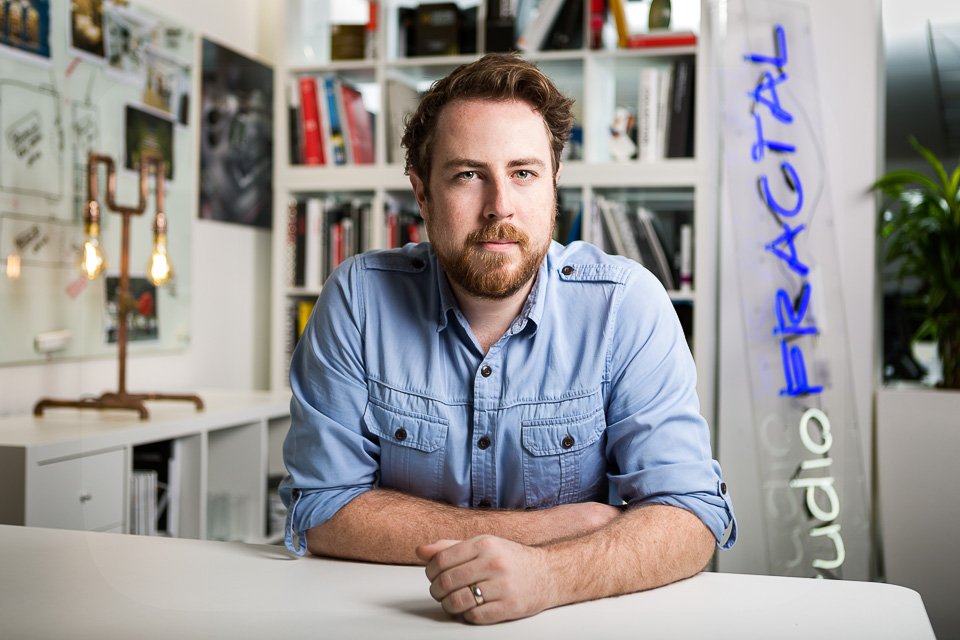
Office-based portrait and lifestyle shoot for a specialist architectural lighting design company
I spent a day with James Ball at the offices of lighting specialists Studio Fractal, whose work includes Bristol's Clifton Suspension Bridge and Cabot Circus, and London's King's Cross development.
While James photographed their designs, products, templates and models - all the cool stuff - I did portraits of the designers. Not that I minded - it meant I spent (a bit too much) time chatting, as it's rare and lovely to meet a client who speaks exactly the same language as you. Their passion seems to boil down to "how light reacts with different things" which is pretty much all I think about. Despite running over time in conversation, I still found a little bit of time at the end to photograph some of the cool stuff, too.
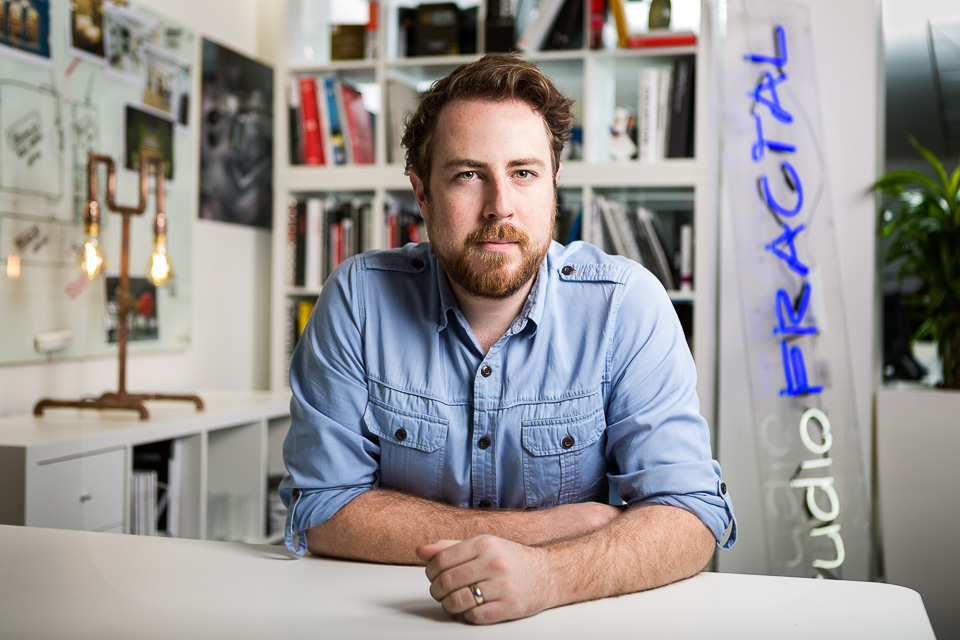


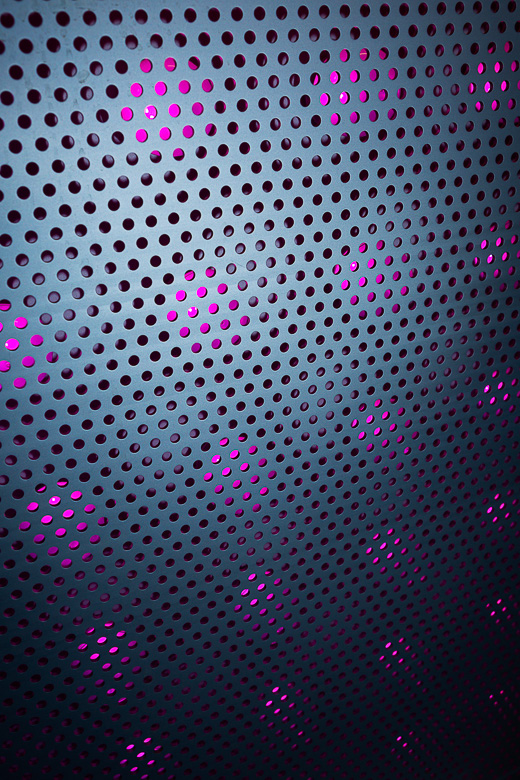

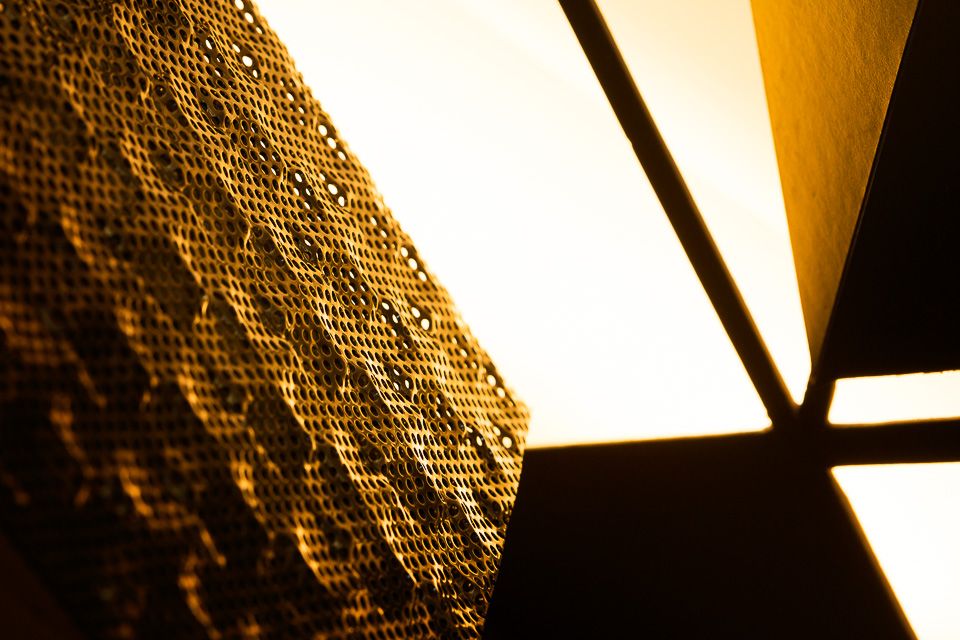


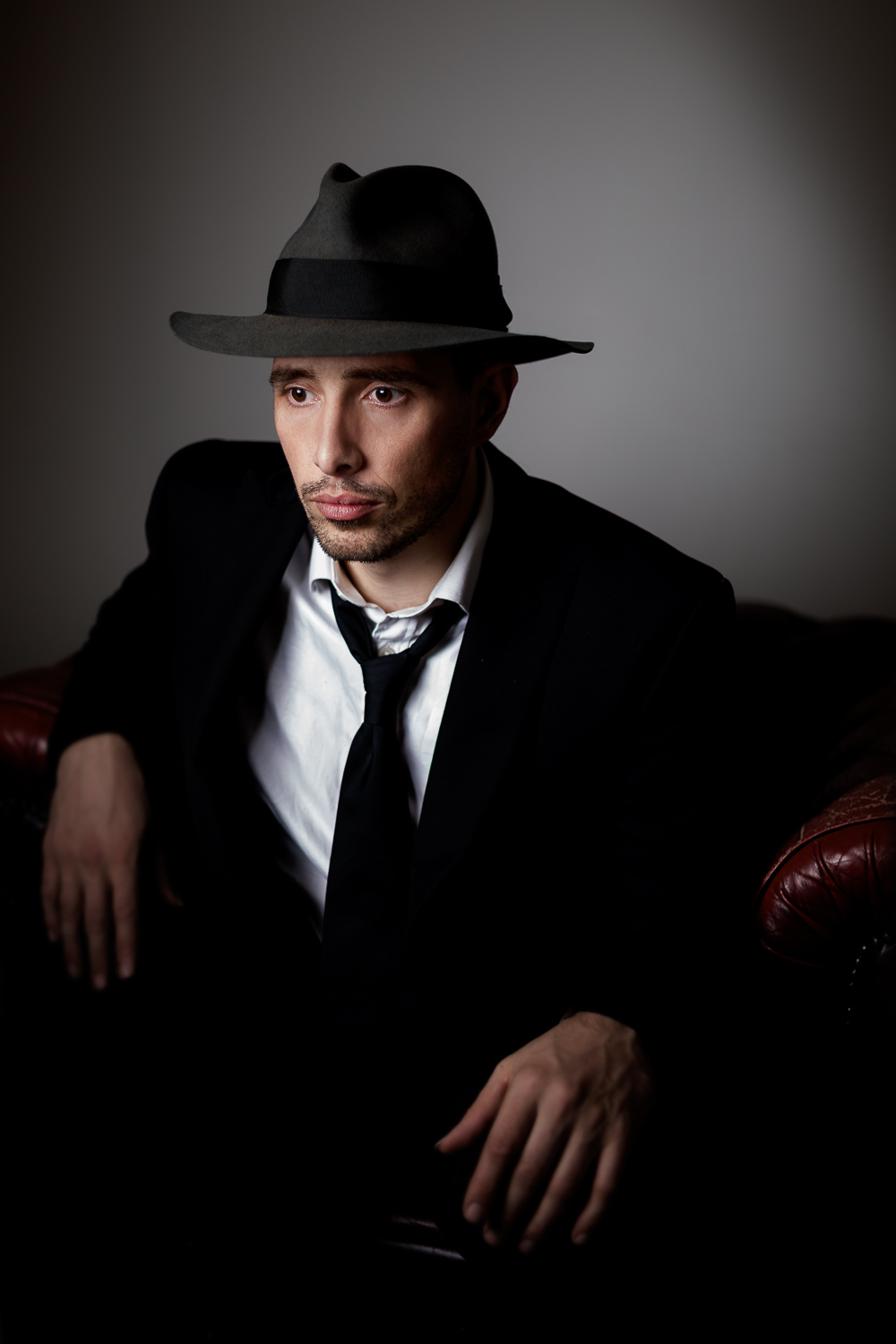


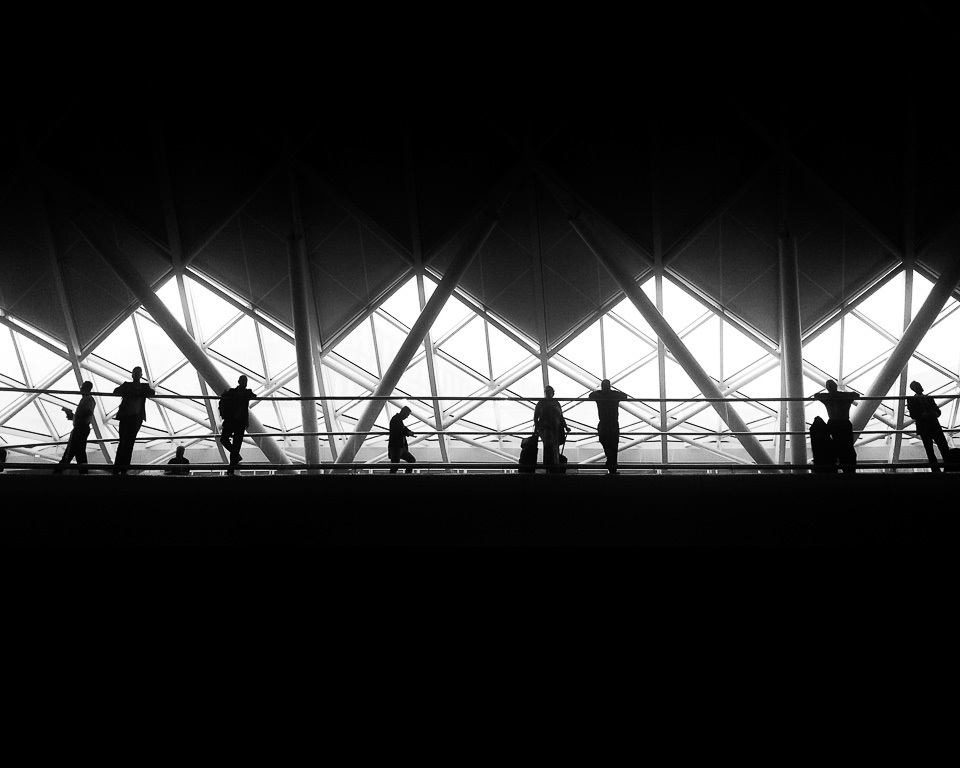
While I was waiting...
Images taken in the spaces between things
I've said elsewhere that one of the things I like about Instagram is that it's a place to put all the images which don't belong anywhere else. Too random for Facebook, not relevant for clients, and neither suitable nor strong enough for my portfolio. But worse would be to leave them on a hard-drive, forgotten in a cupboard, forever. While browsing my IG feed, I noticed that a great number were shot while I was waiting around for something.
It's an interesting category. These are the kind of images which, most of all, should fall between the floorboards. These shots are either an afterthought or noticed when you're thinking of other things. They're the result of time spent idle, with no planning or prior intention, and they wouldn't exist but for the opportunity of a few free moments.

One New Change, London. Waiting for permission from the site manager.

A friend was delayed. St Pancras station, London.

In a car park.

I don't remember where this was but it's a lamp-post (or was, originally). Strictly, I wasn't waiting and I knew I wanted to do this for a while, but it was taken on a break between shoots.

Archway. Meeting a friend.

Photographed while the film crew were interviewing a subject. I did actually send this one to the client along with a couple of other stock images from the day (there was a lot of waiting around).
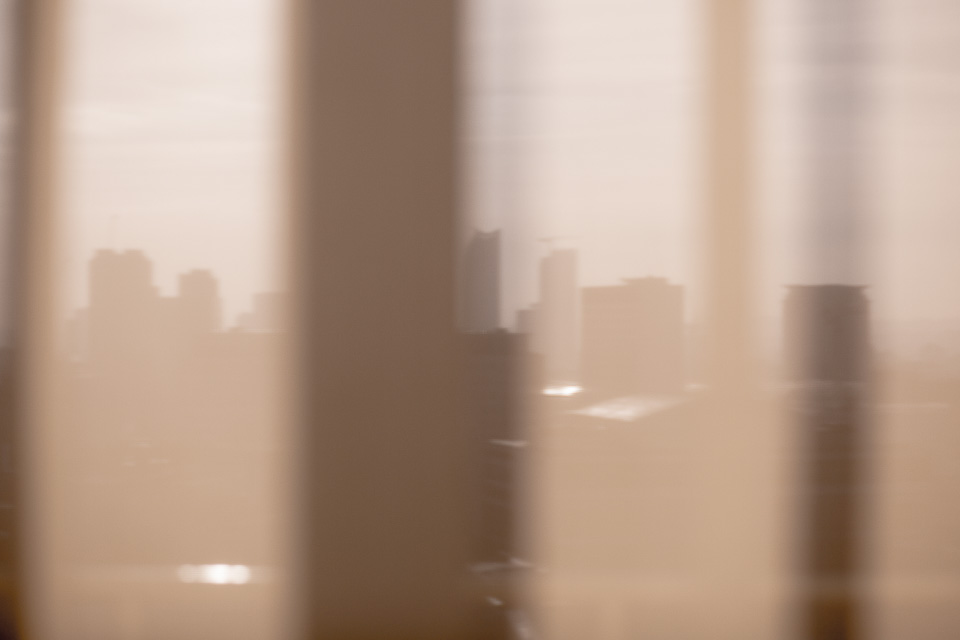
London, in between corporate portraits. The 'razor' building can be seen (centre) through curtains.

The Tower of London, the Walkie-Talkie, the Cheese-Grater and the Gherkin. Taken from the event space at the top of Tower Bridge at dusk, while waiting for speeches to finish.

In a cafe, waiting for a coffee.

Taken through glass in a queue at an airport.

Gelled flash through opaque glass. Waiting to do a portrait, I was playing around with the idea of using a coloured spot behind the subject. It wasn't working (there wasn't enough space to spread the light), but did make this interesting shot.
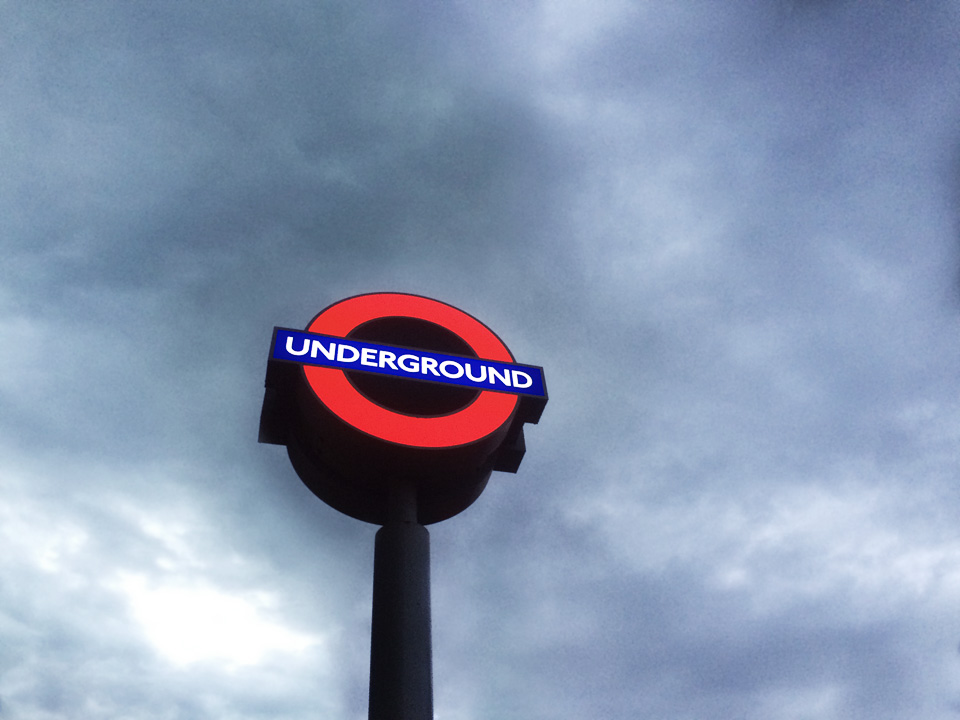
Underground station sign (I had arrived early).
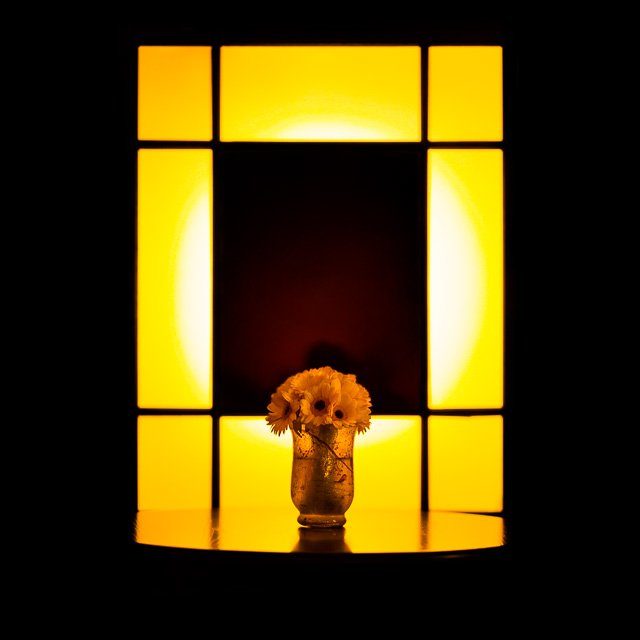
London. During dinner at a press launch.

Not quite waiting for paint to dry, but the next best thing.
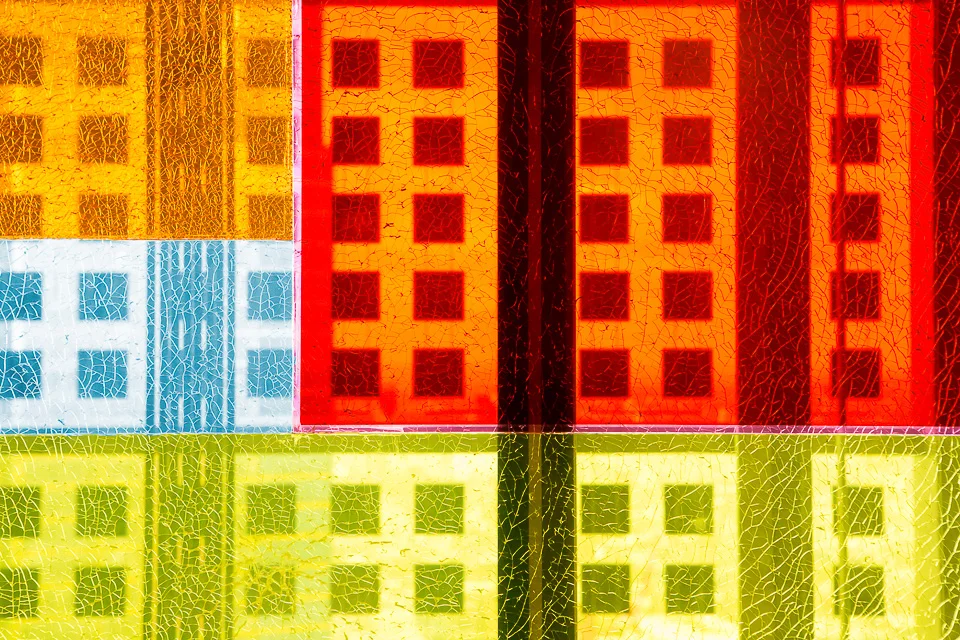
Cracked glass at Sushi Samba, London.

Various gas pipes and pressure gauges in a factory corridor.
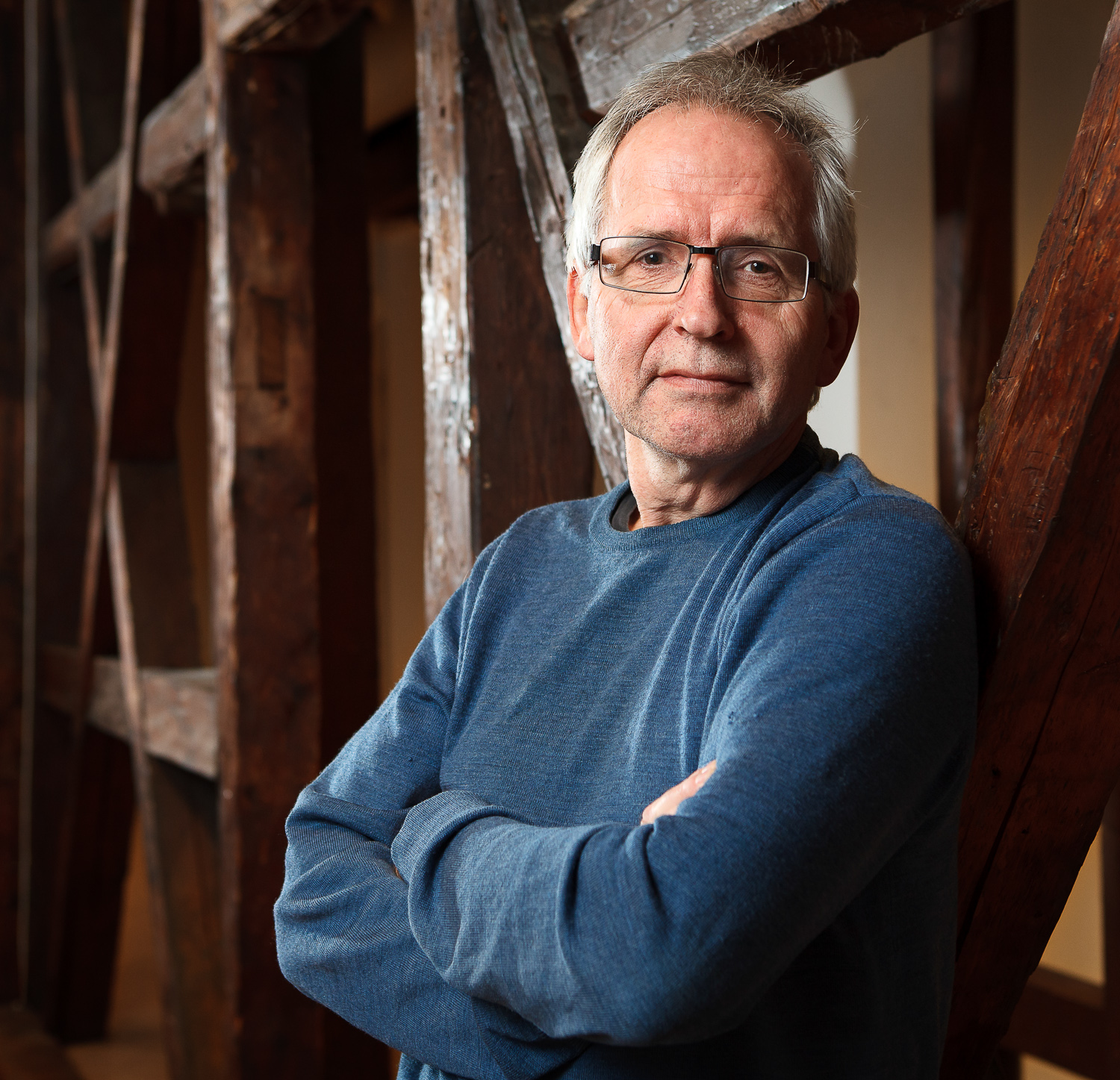
Canvas
Portraits of educators and students in London, Birmingham, Trondheim and Oxford
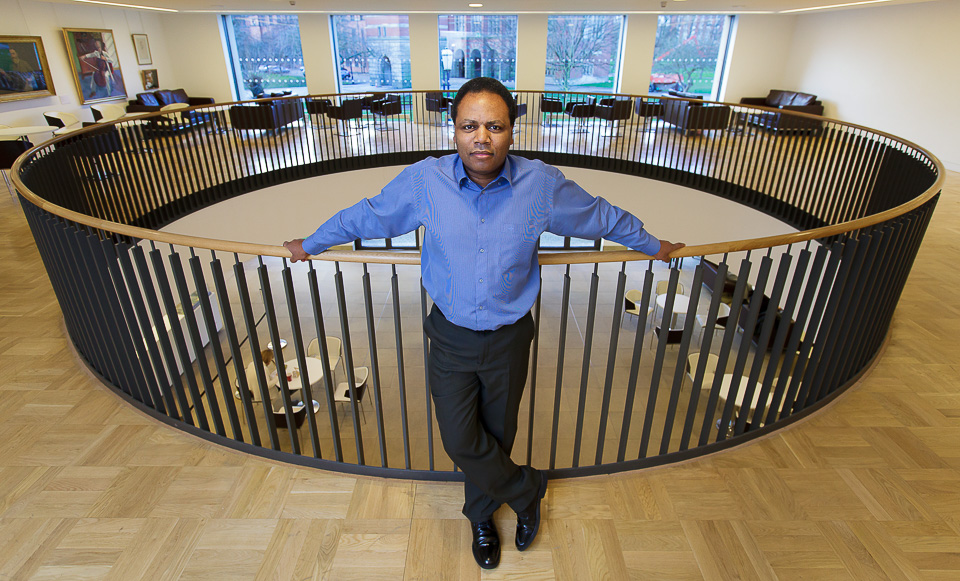
I undertook a series of case-study portraits on behalf of Instructure for their state-of-the-art Learning Management Software (LMS). We photographed teachers, administrators and learners - users from all sides - and visited Birmingham University (where I studied!), Oxford, Sutton Tennis Academy and Trondheim, Norway. Here are a selection:




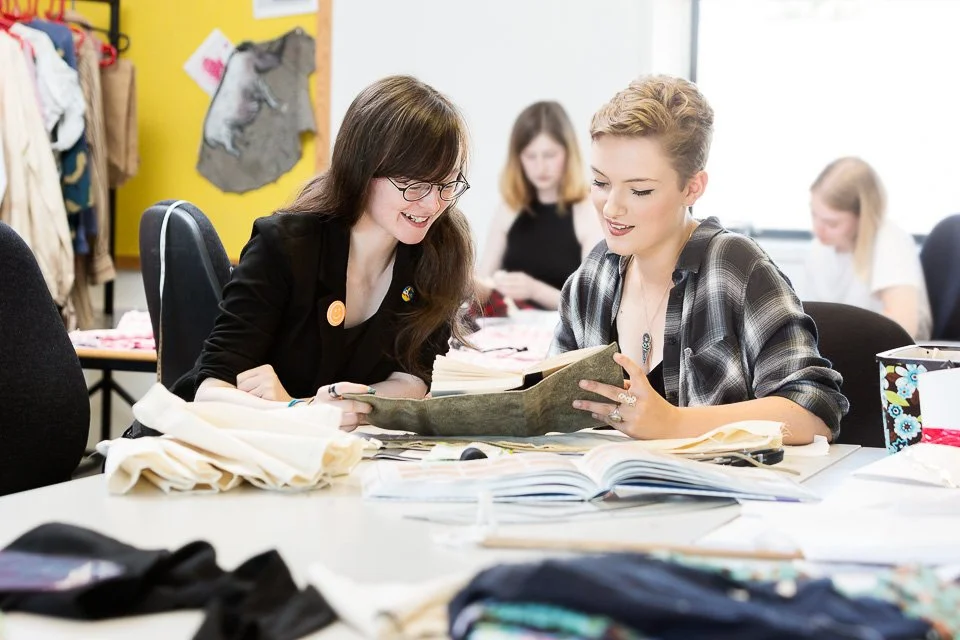
Rose Bruford
Prospectus images for a higher education college which offers courses around the performing arts
I was commissioned to shoot around a few of the backstages courses taught at Rose Bruford College of Theatre and Performance in Sidcup for their prospectus. Here are a few images from the set:


Instawalks
A selection of images from photography classes I’ve been running for Facebook
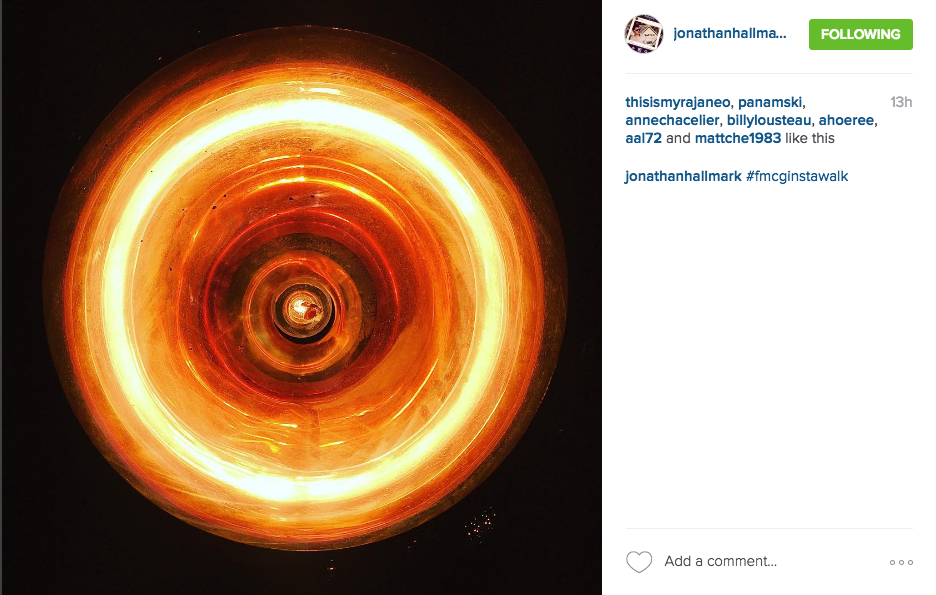
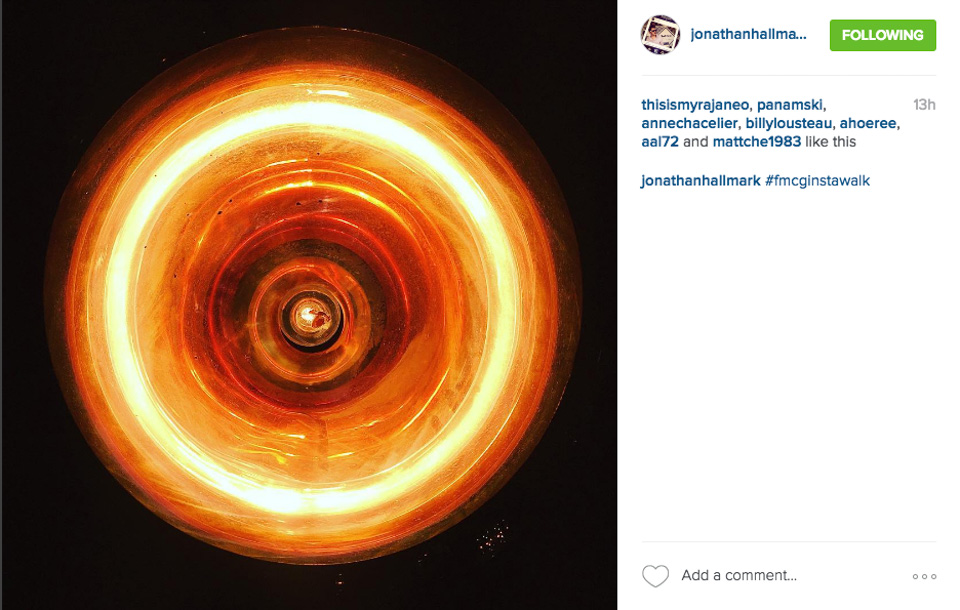
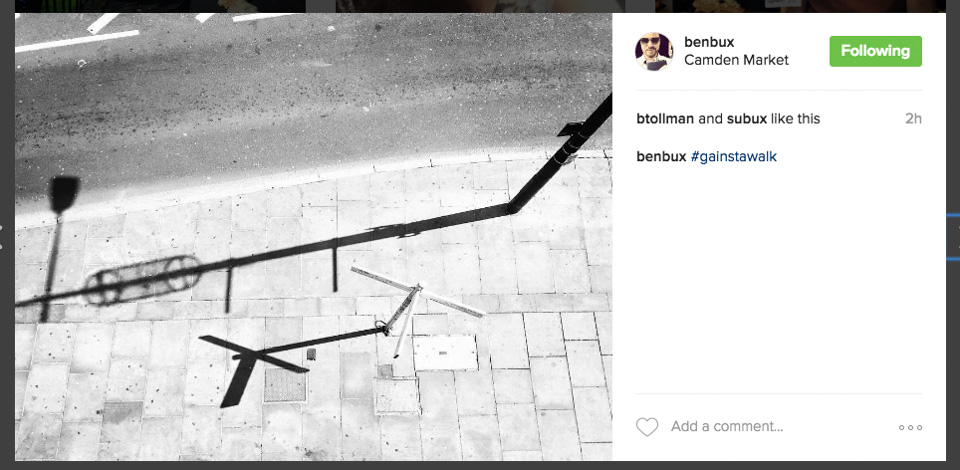
I've been running occasional classes for Instagram/Facebook over the past year. These are informal sessions where I teach their clients everything I know about photography (!) before letting them loose in Camden, King's Cross or Southbank. They have then 30-40 minutes' shooting before we regroup, critique, and decide on the winner(s).
The lesson itself lasts an hour. We cover some theory, a few practical tips and techniques, and then look at using the app to edit images. Nothing technical. Among others, clients have included Heineken and Starbucks, and there's one in the pipeline for Apple.
They're given a variety of themes to work towards - it's important to have limitations - but they're not obliged to keep to them. These are usually Reflections, Shapes & lines, Signs and symbols, Colour, and Close-ups.
Judging the winner is always difficult as many are equally good, but for different reasons.
While I could have shown plenty of descriptive images, lovely detail shots and neat observations, this selection I've made of their work either reflects some of the points we cover, or tends towards fresh and quirky (often abstract and arty shots) which are right up my street. That is, I'd be very happy to have any of these in my own feed (@alexrumford)! Although I should point out that the best pictures on the day are just that - they have nothing do with my own taste or preferences.
I hope you enjoy them as much as I did:





Property brochure
An editorial shoot for Landsec based around the parks, shops and offices around central London
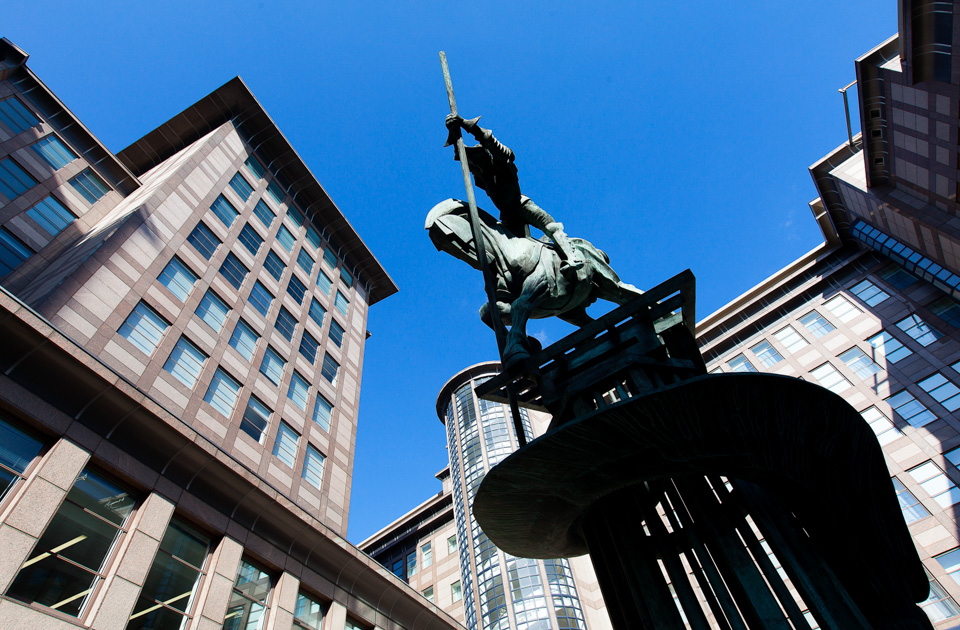
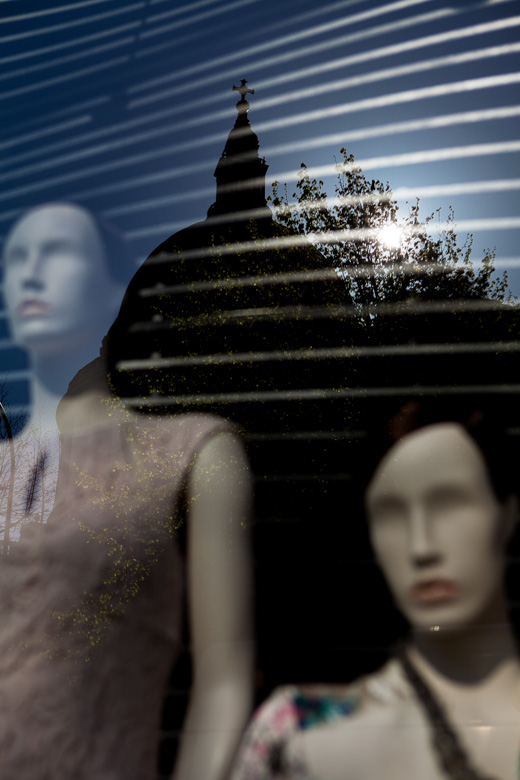
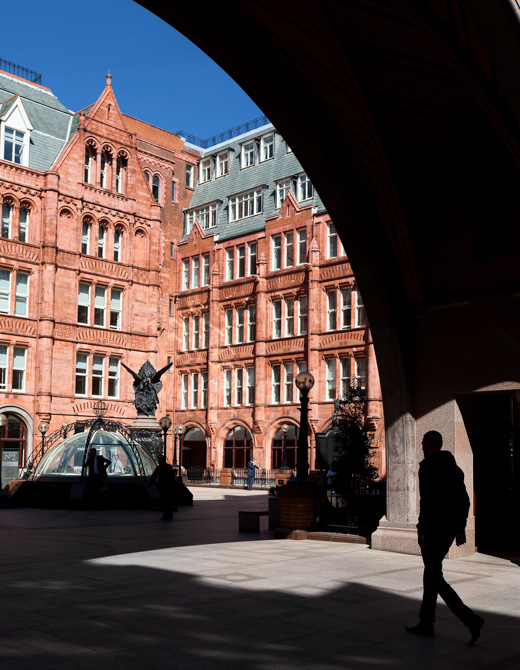
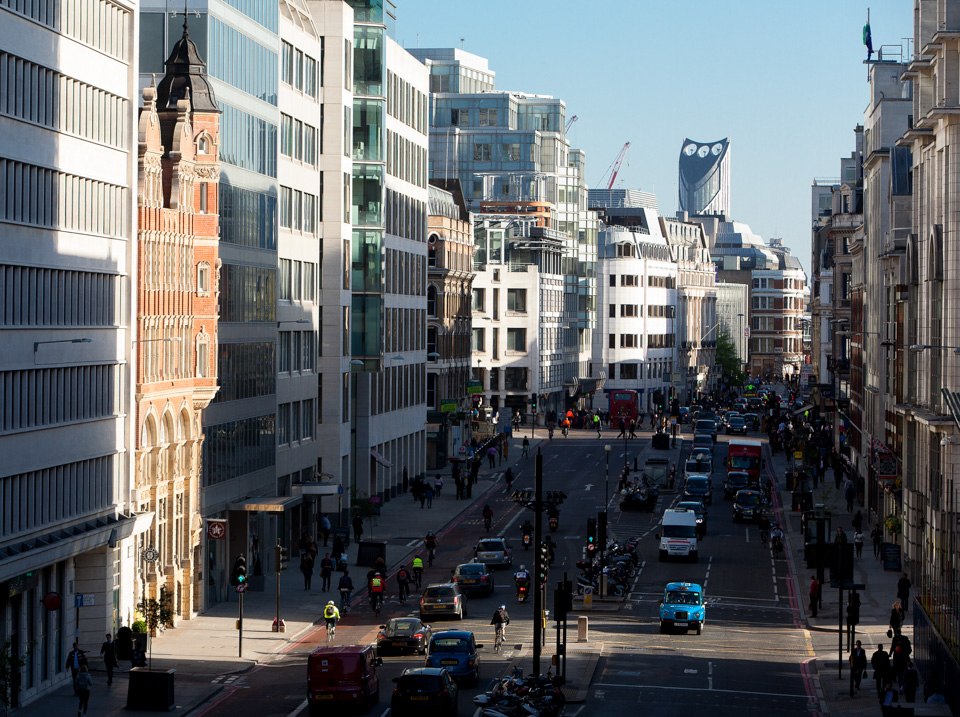
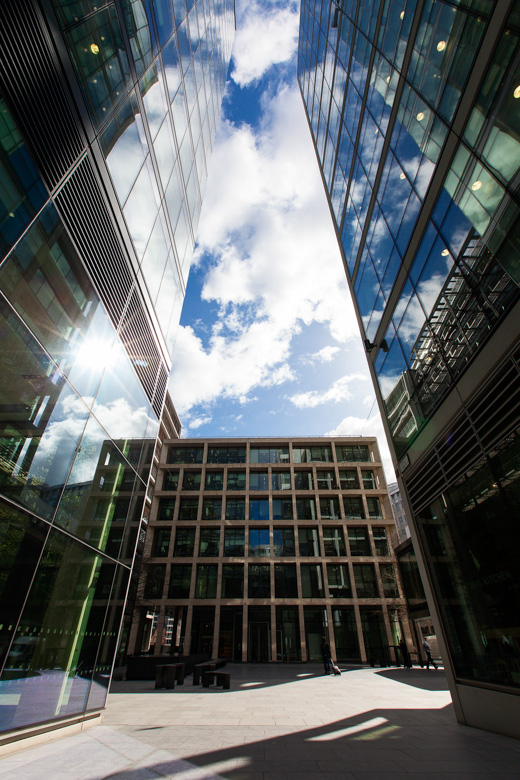
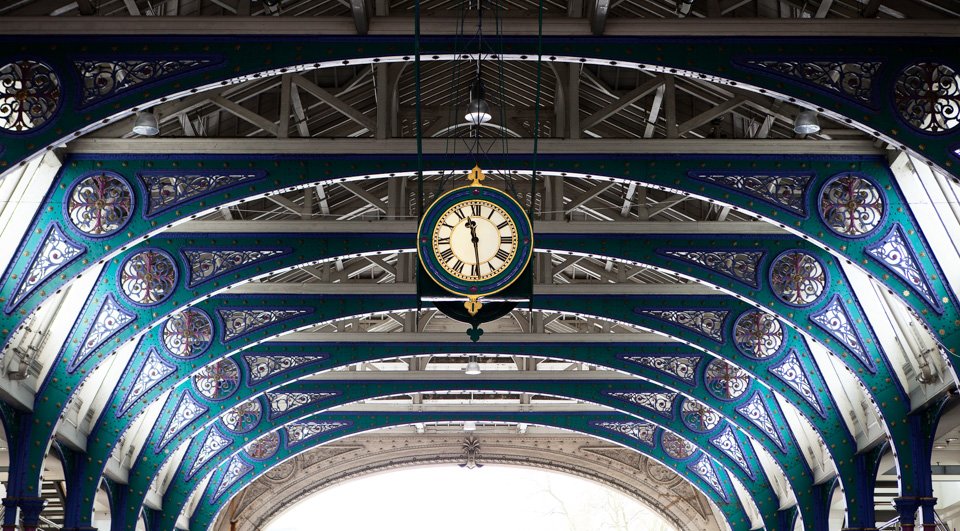
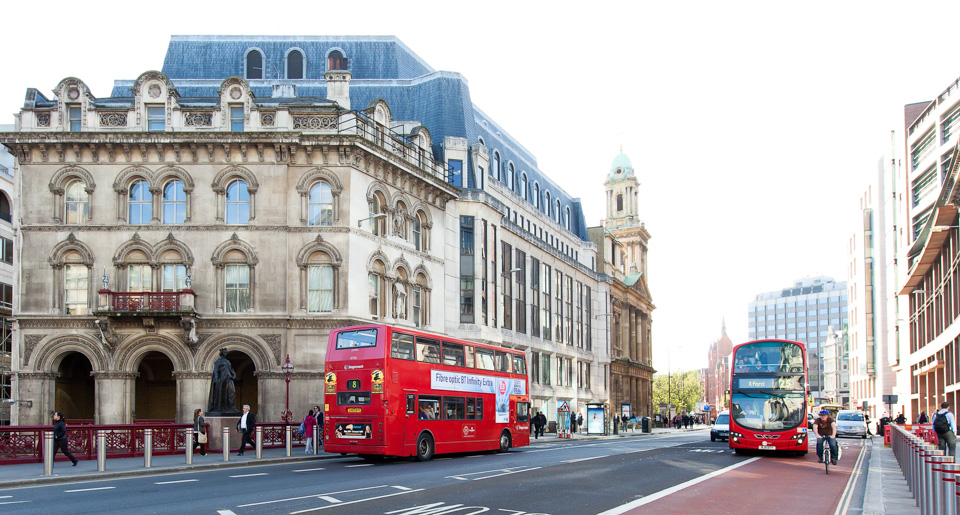
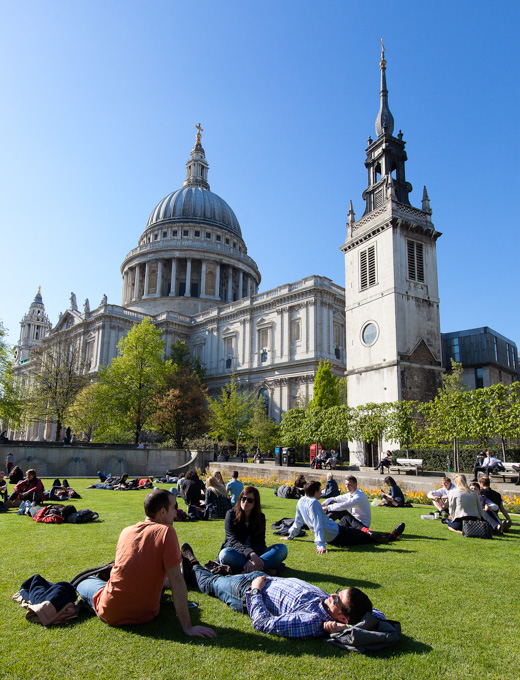
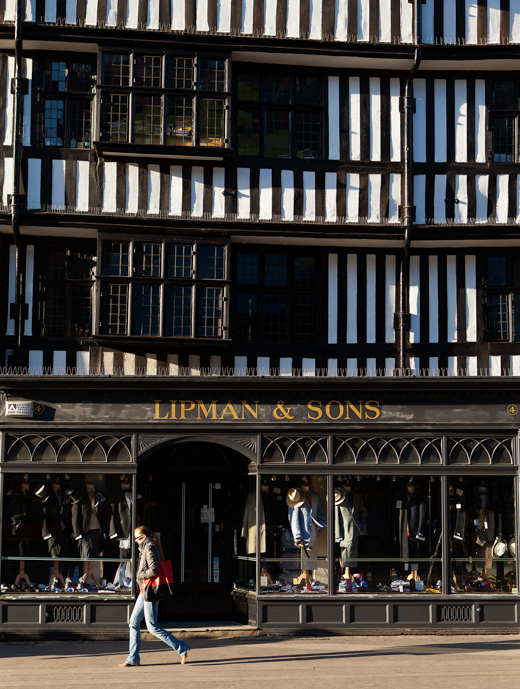
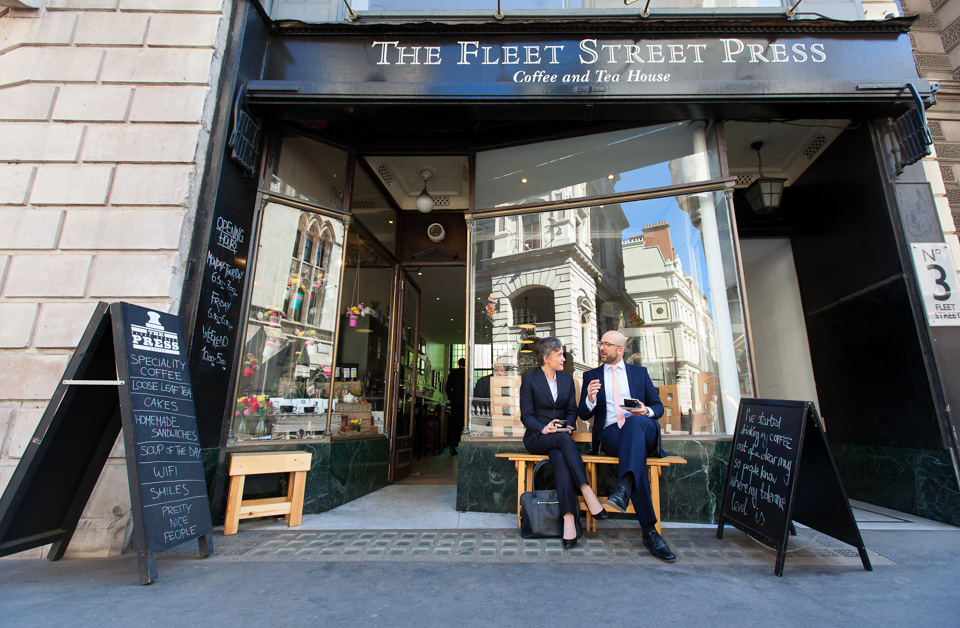
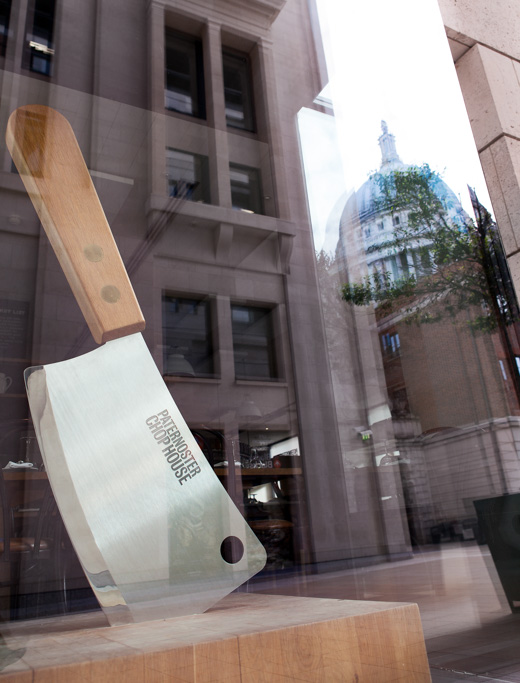
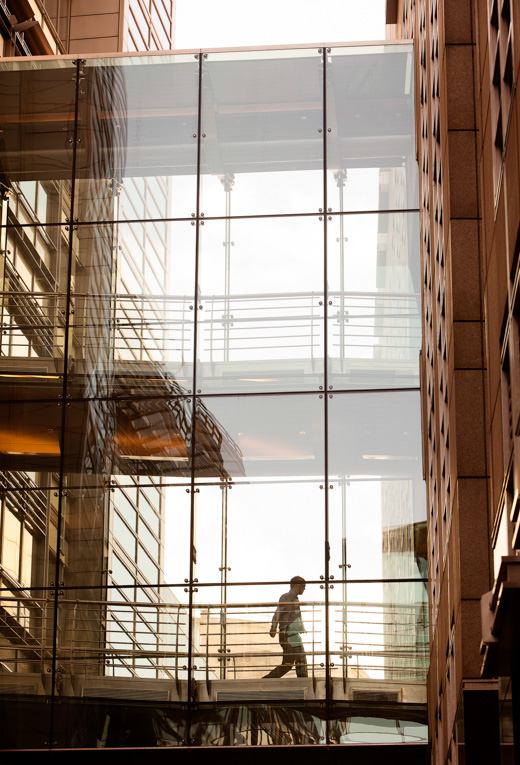
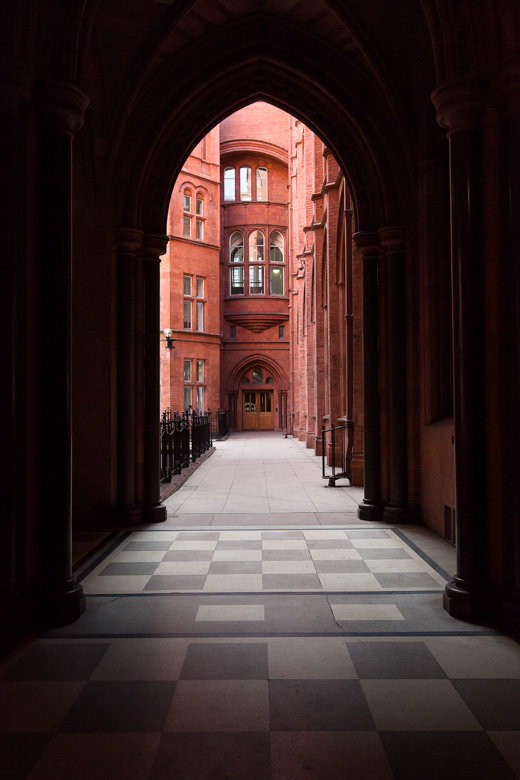
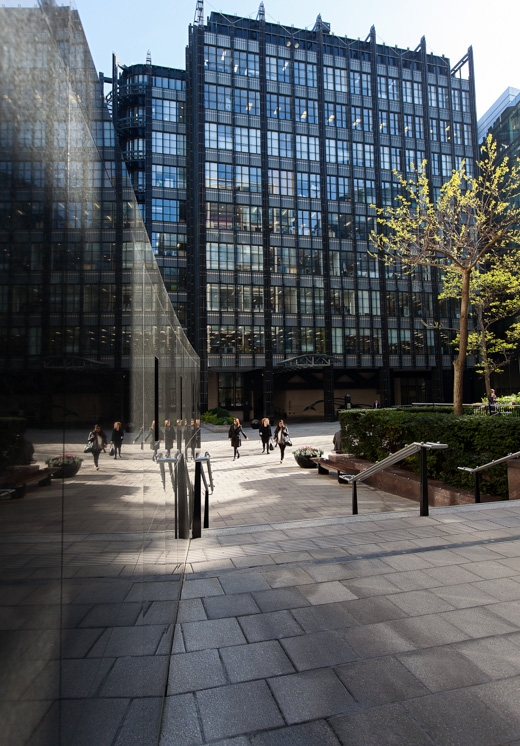
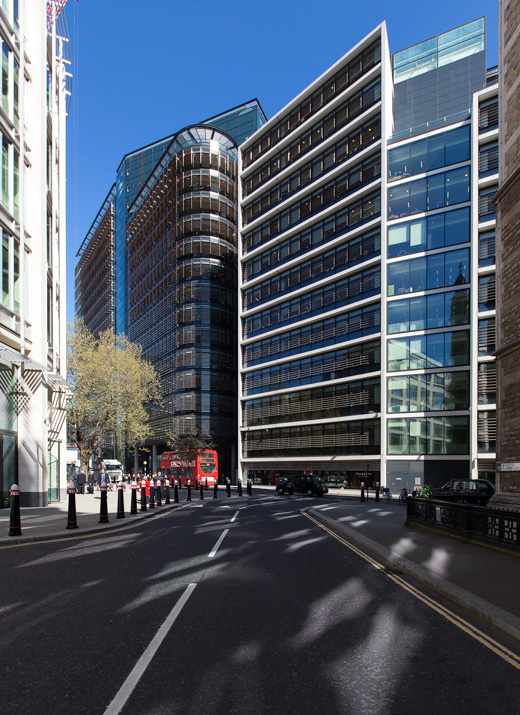
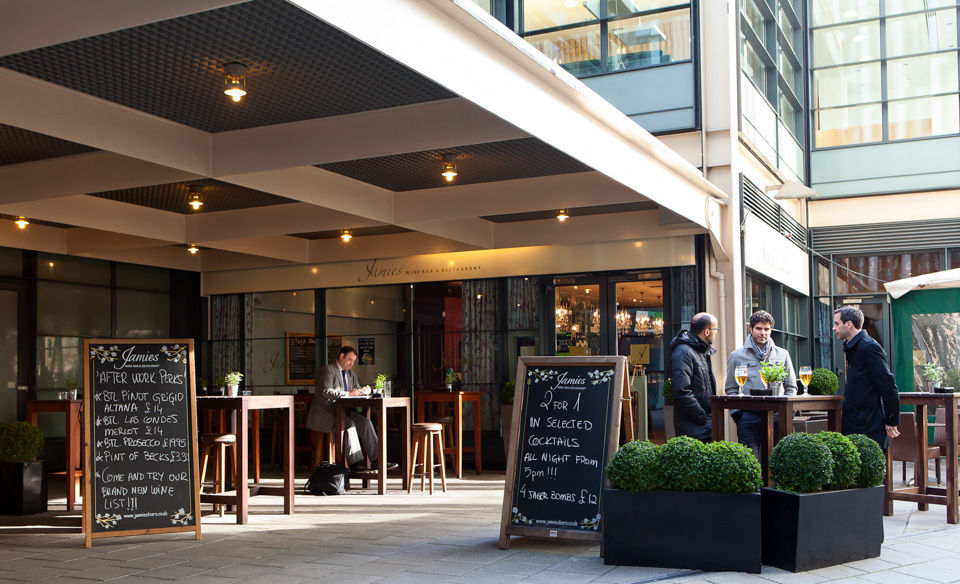
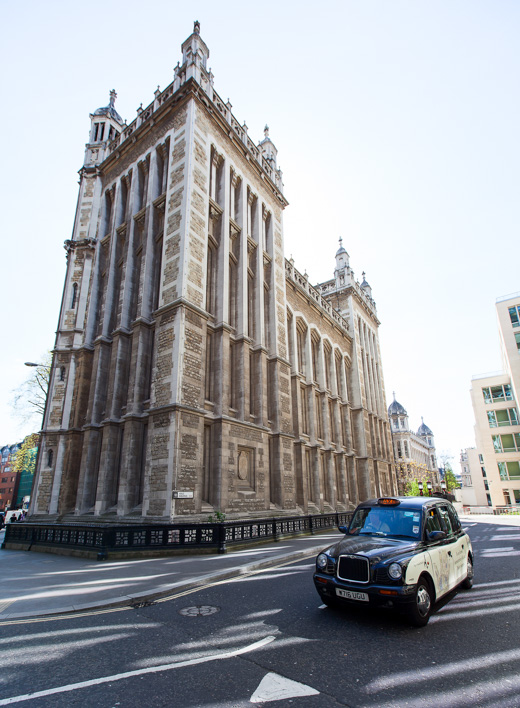
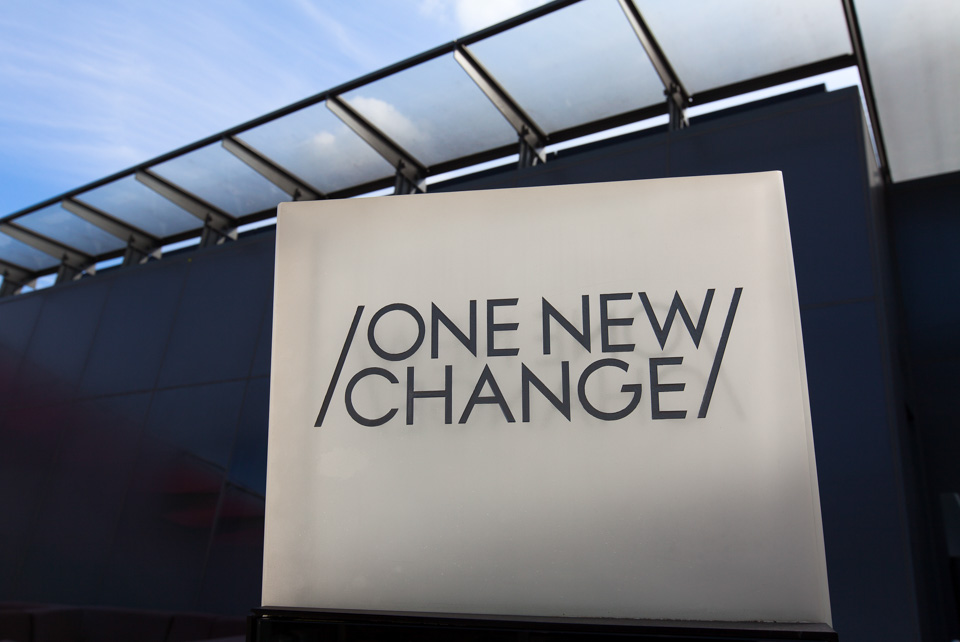
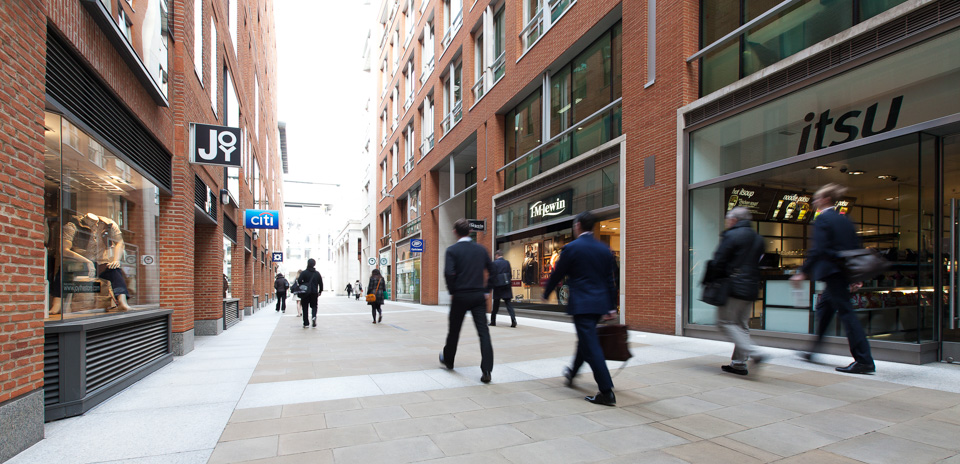
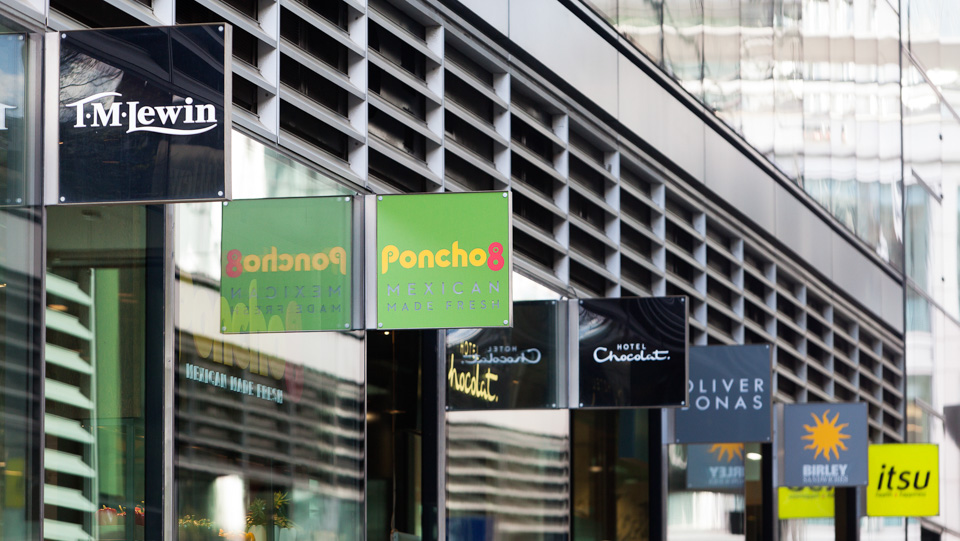
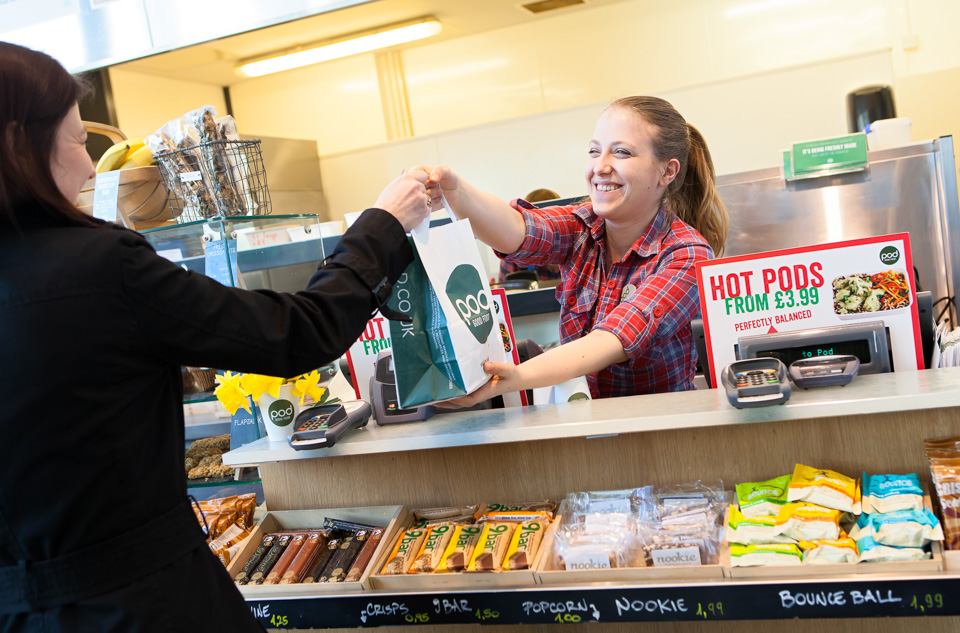
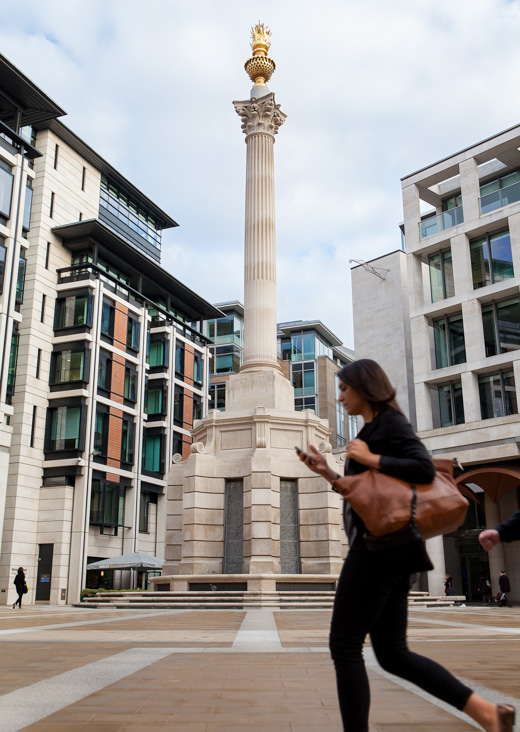
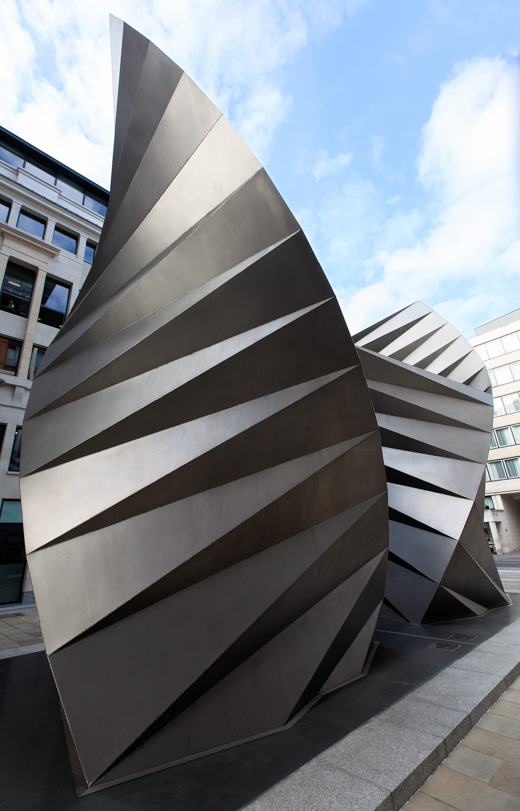
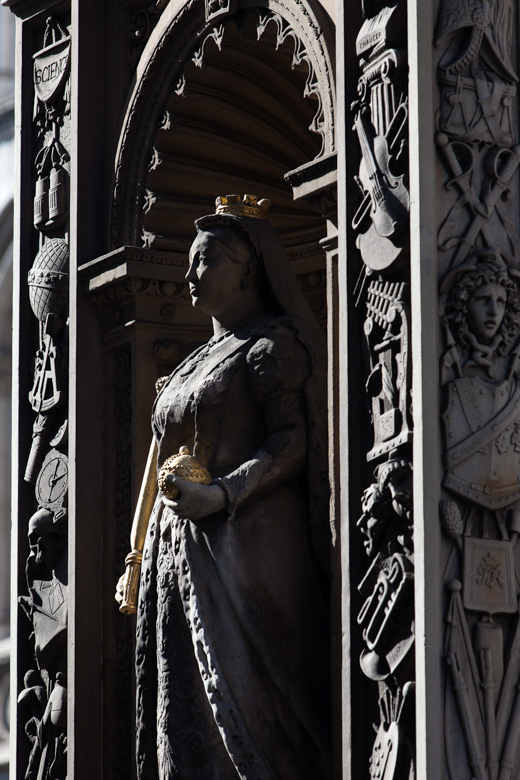
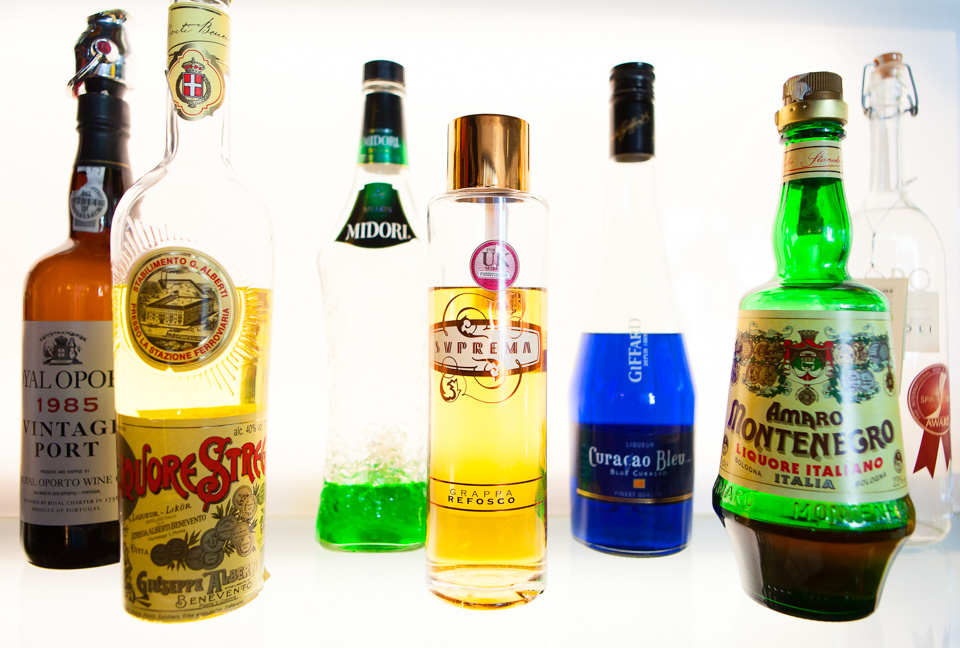
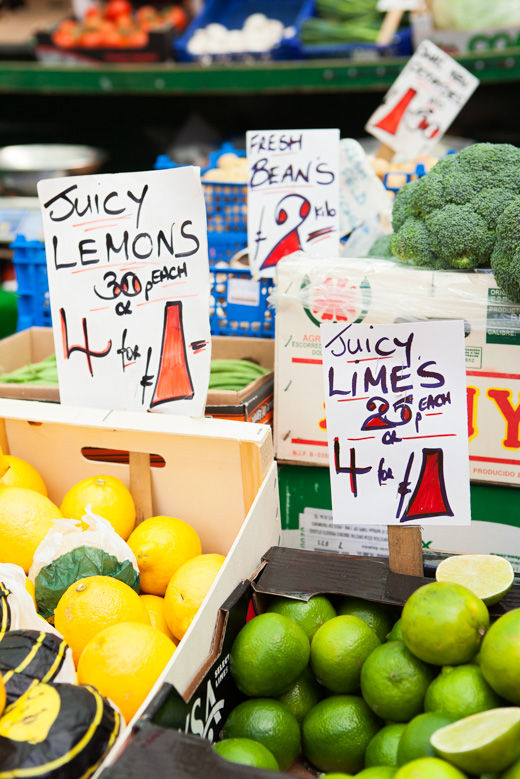
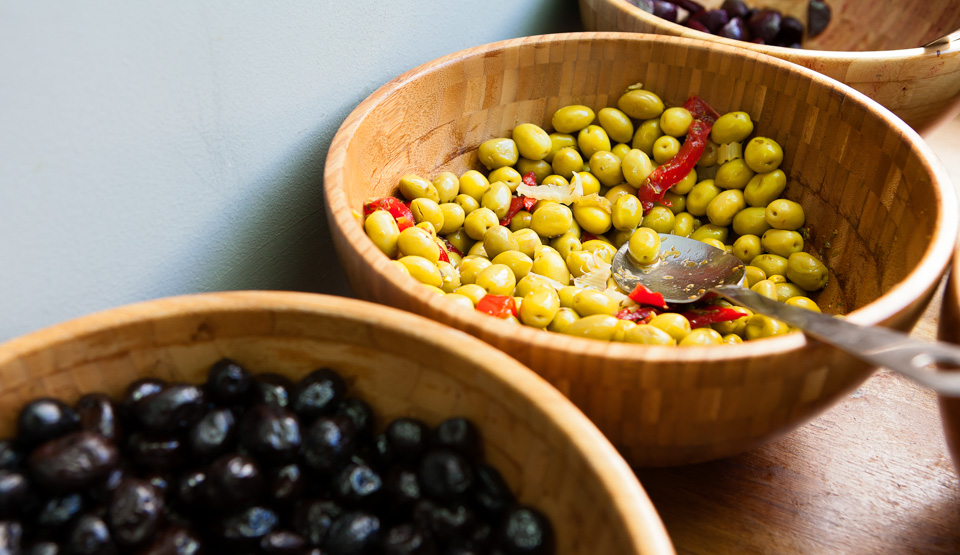
This was a shoot for Landsec. The brief was to spend time around the central London areas of Aldgate, St Pauls, Fleet Street and Chancery Lane, where it has properties and ongoing developments. They required imagery of the buildings, shops, interesting asides, key sights -and the general feel and atmosphere - for a brochure and some other materials.
I loved this shoot - I had freedom over my schedule and route, and while there were some required shots, I was mostly left to my own devices as to what else to capture and how to photograph it. Apart from seeking a few permissions, I barely spoke to anyone for two days!
I'd done a couple of recces to plan the route, locate the main areas of interest, and see how the light was for the more architectural and wider scene shots at the different times of day. But still, so often I found myself winding around and double-backing on myself, getting lost around backstreets and frequently sidetracked with details I'd not noticed. I delivered a small library of photos in the end, very much an interwoven document of the area, but with a number of shots which I felt stood alone.
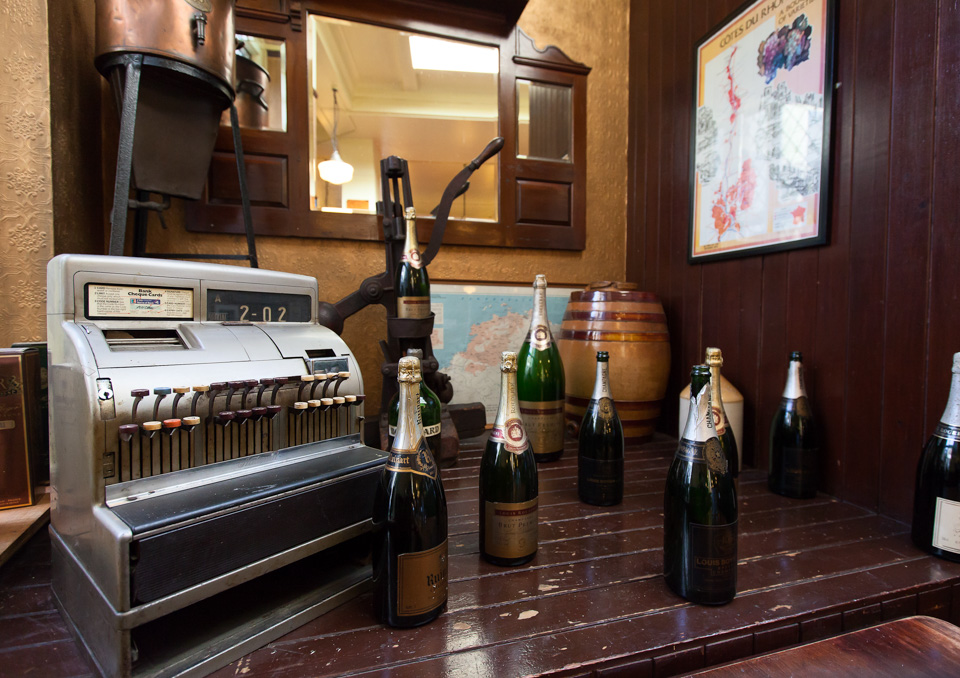
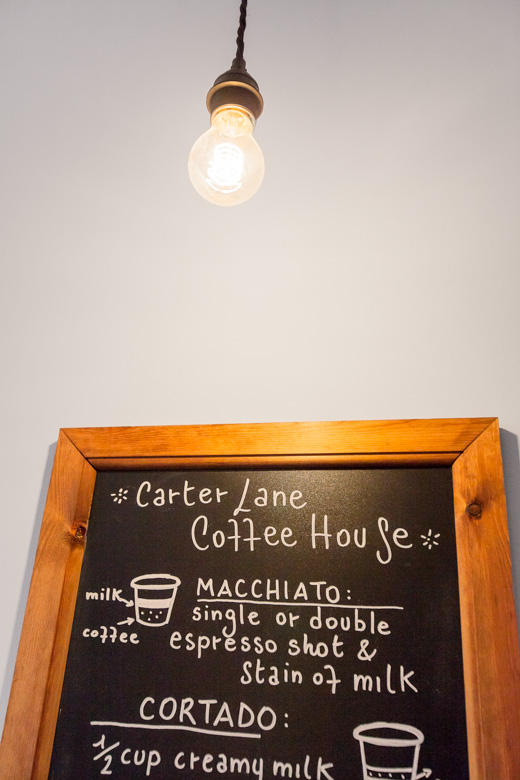
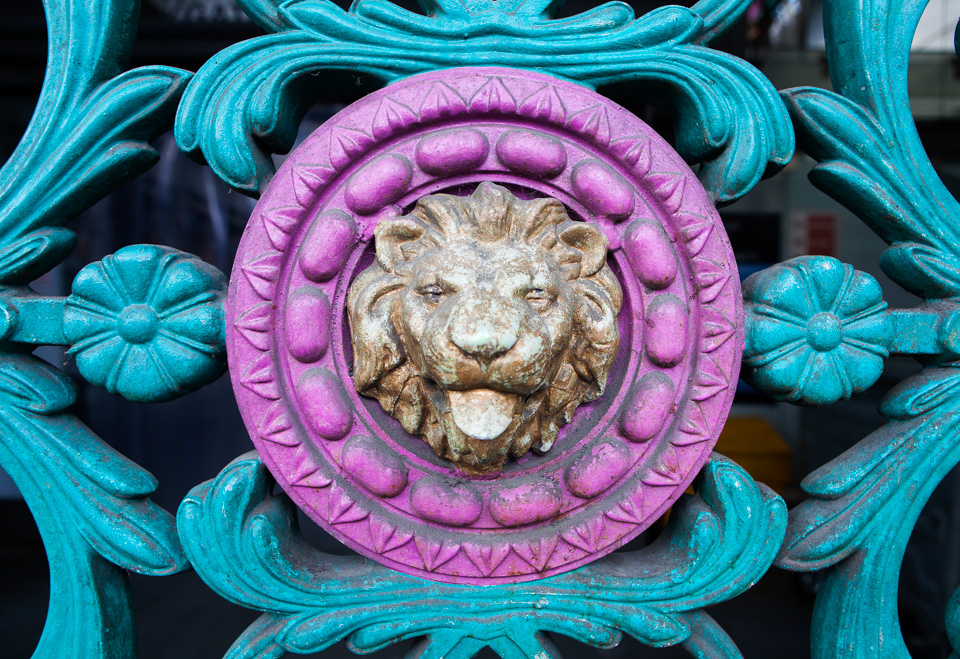
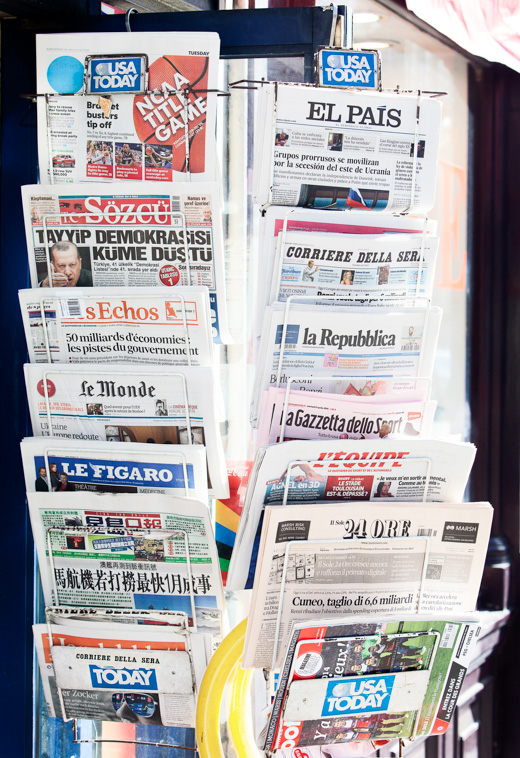
Here's a selection of some of my favourite images:
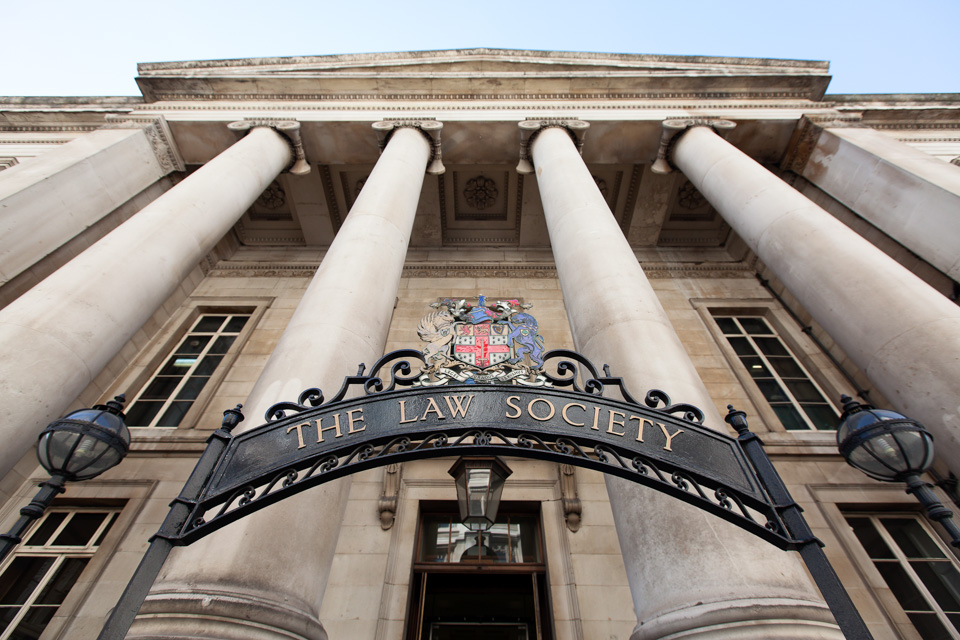
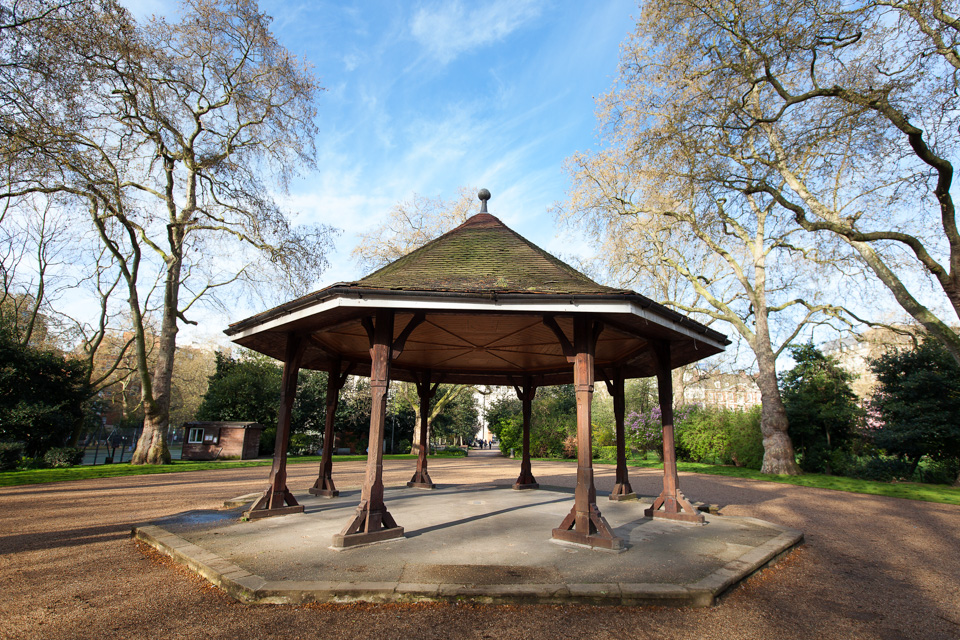

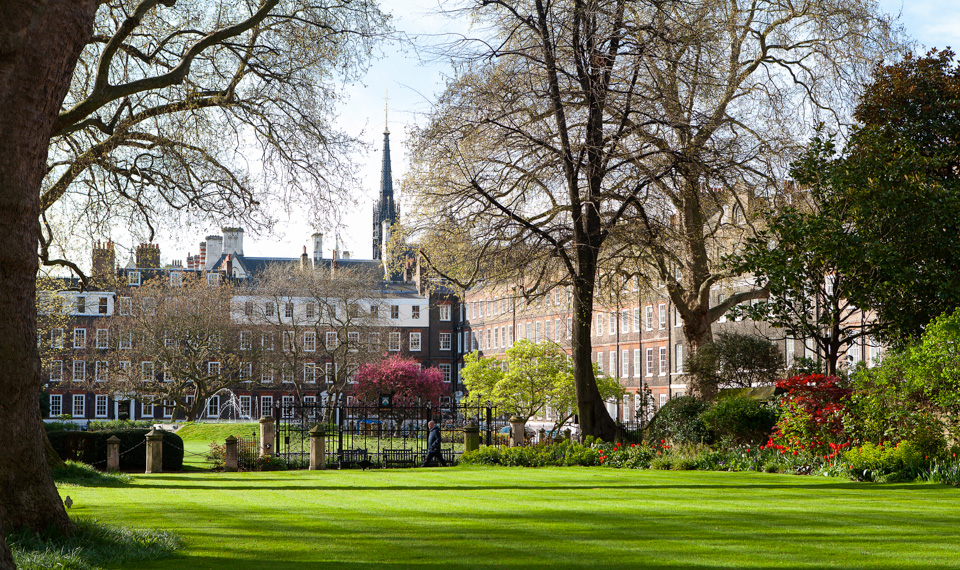
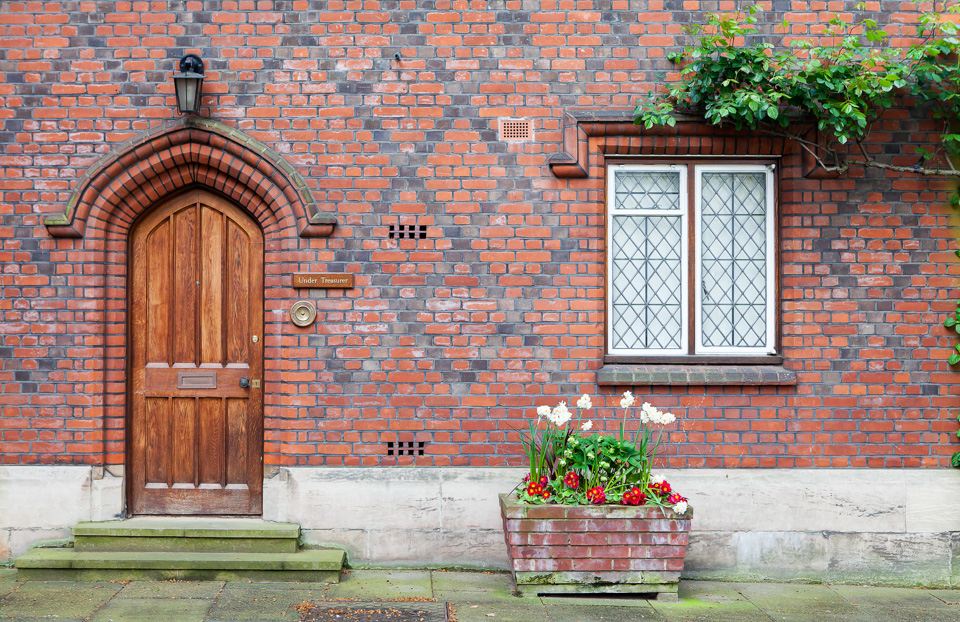



Breaks and burns
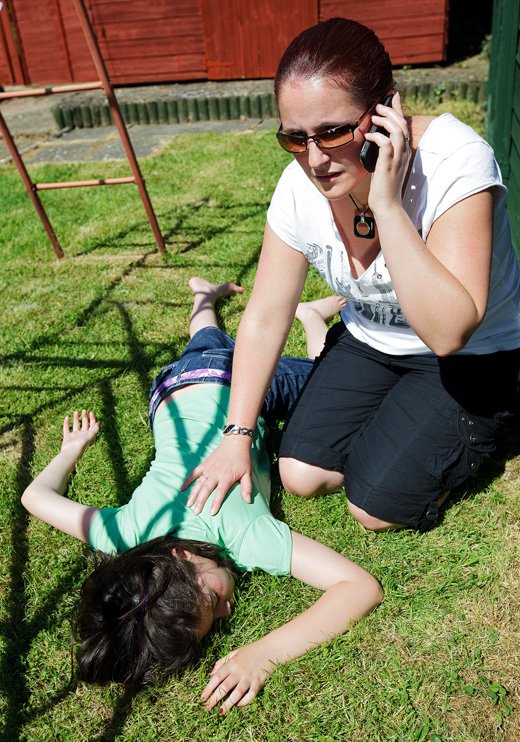
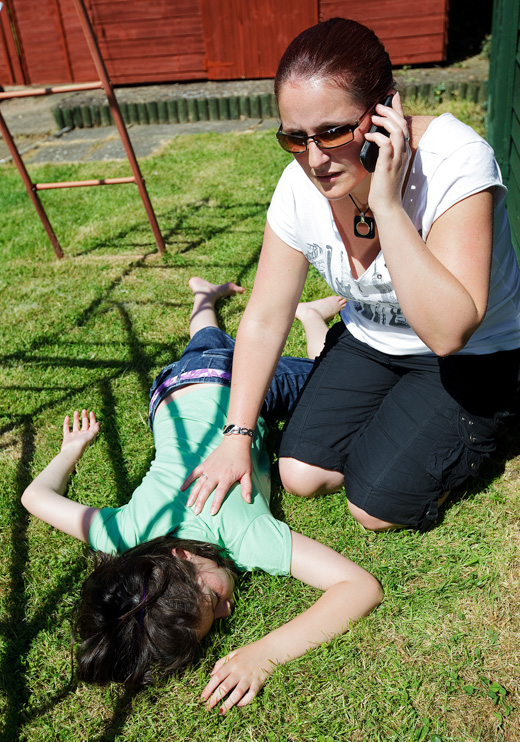
A small selection of images commissioned by the British Red Cross for First Aid advice
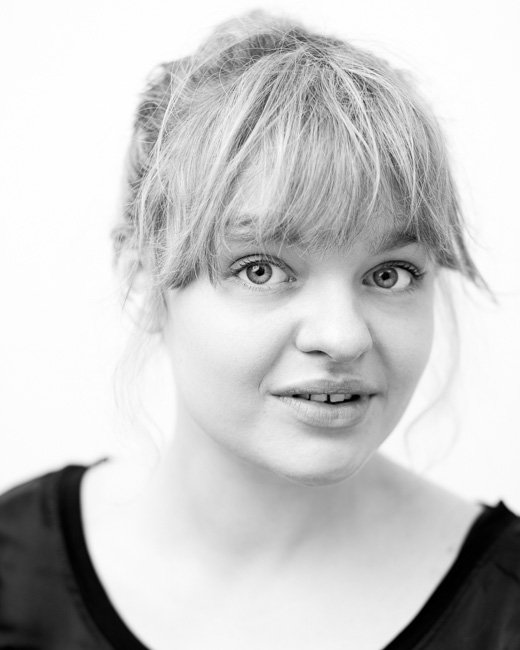
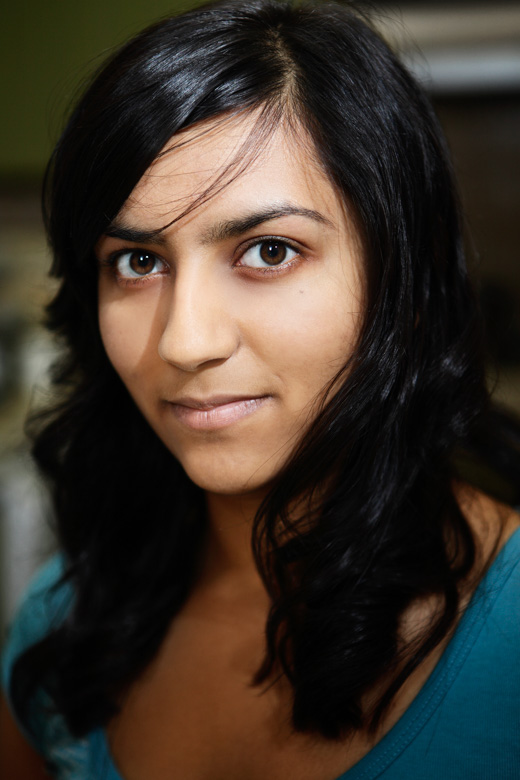
These two sets, shot for the British Red Cross, were for a series of pamphlets giving First Aid advice. Alas, the other sets are less blog-friendly: someone who'd had far too much to drink; a stroke; a heart attack; and a drug overdose.







Sky Garden
Photographs of the Sky Garden at the Walkie Talkie building, commissioned by Landsec
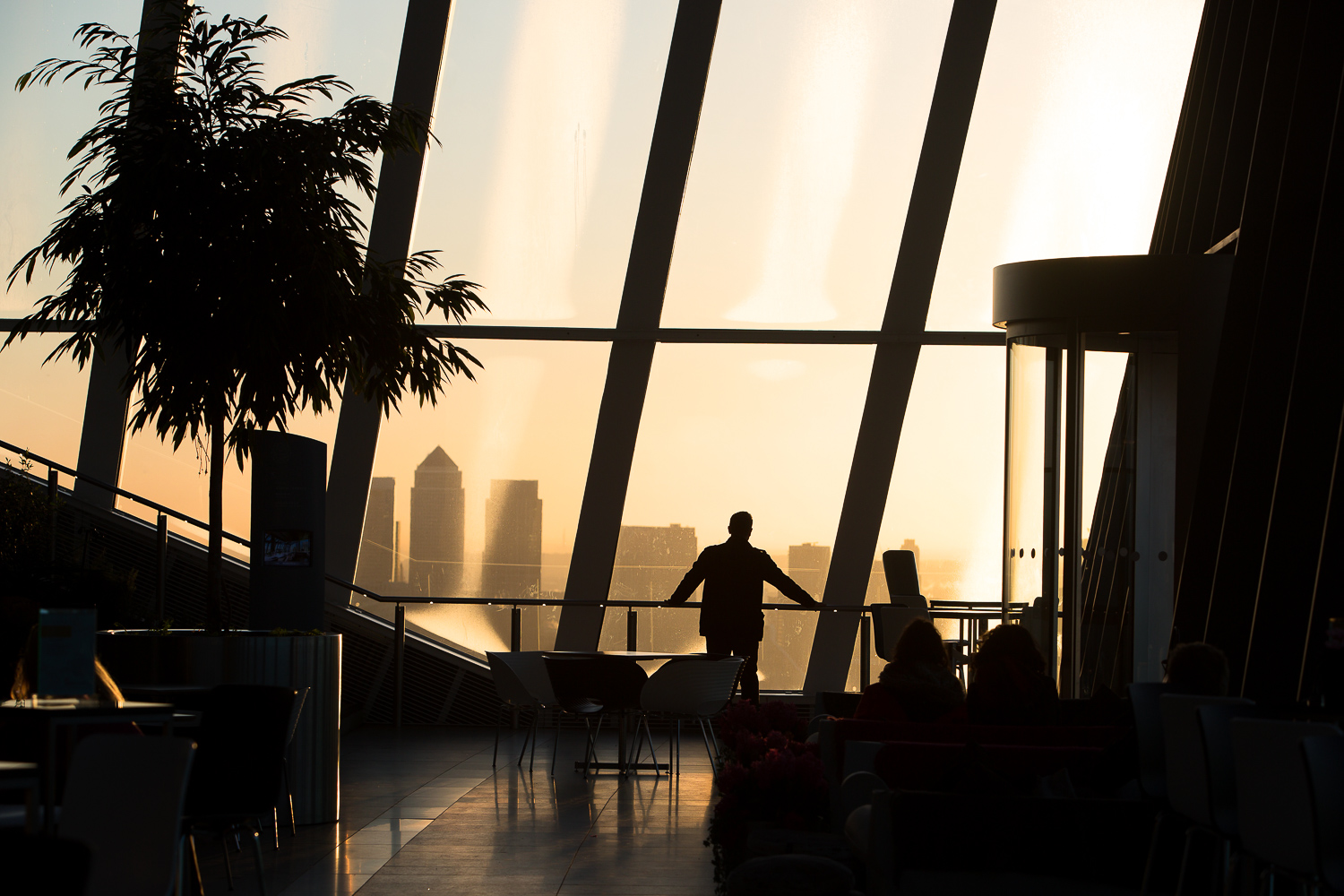
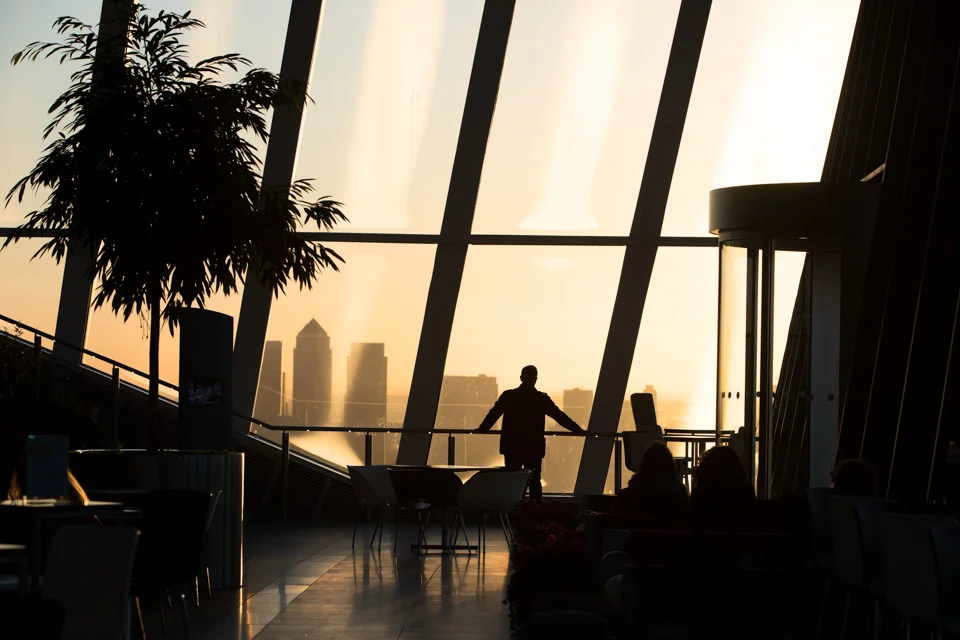
Something a little different - I was commissioned by Landsec to refresh images at 20 Fenchurch Street (the "Walkie Talkie"), both of and from their lovely rooftop Sky Garden. It's well worth a visit - and it's free (but you do have to book).


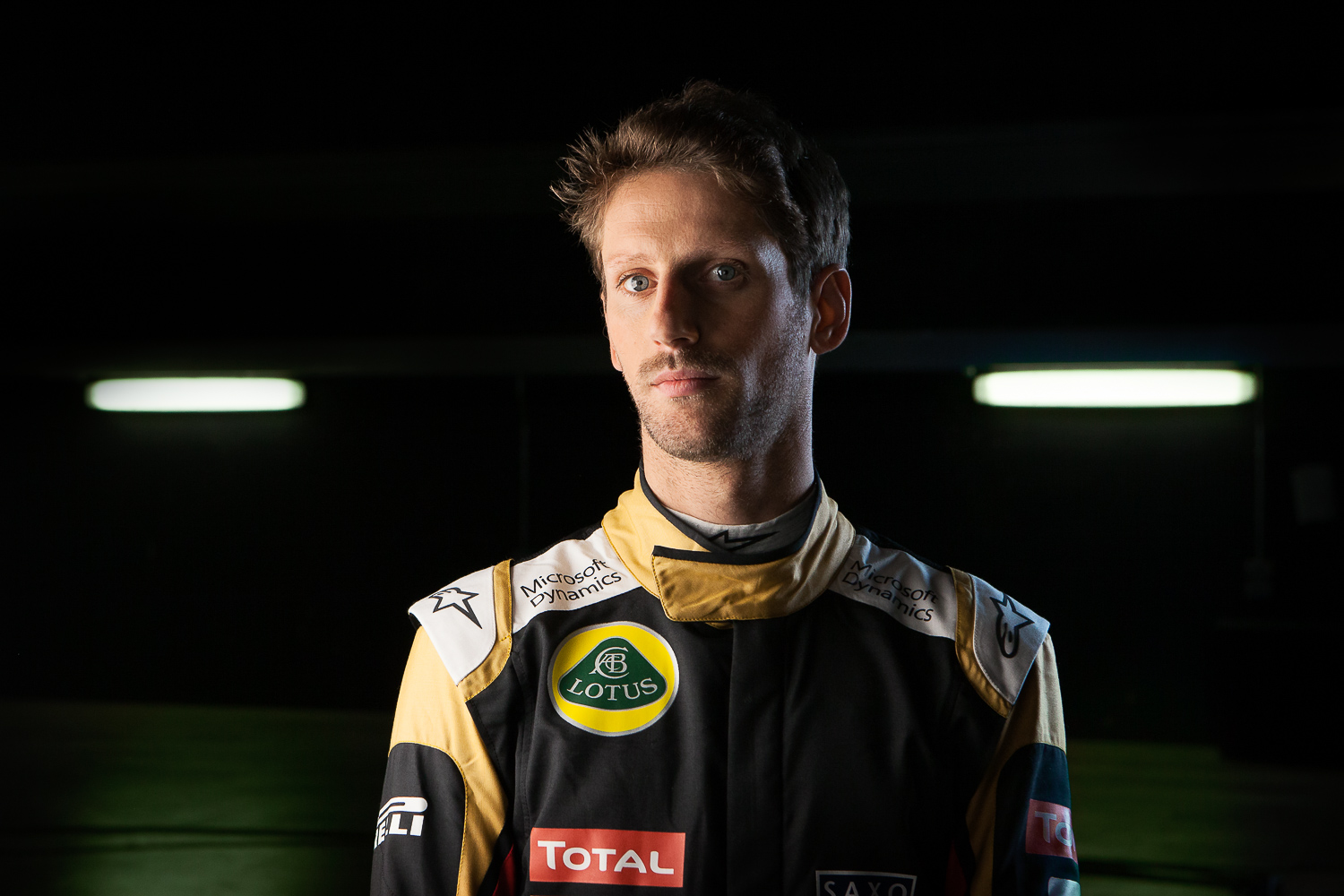
Romain Grosjean
Commission (alongside video) for Microsoft Lumia with F1 driver Romain Grosjean
This was a commission for Microsoft Lumia around F1 driver Romain Grosjean. I was on set shooting (mostly) BTS to accompany the video campaign.


Egosurfing
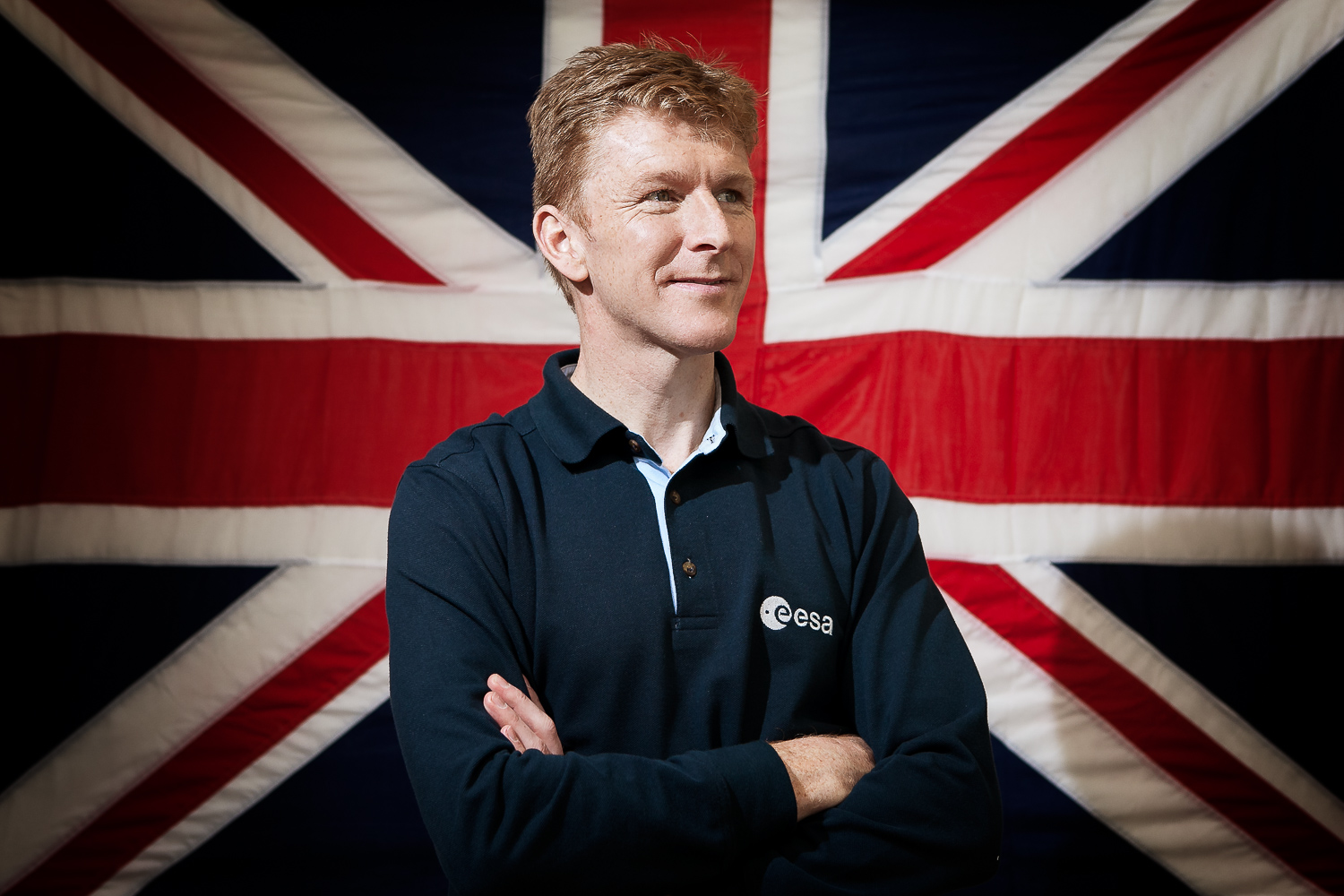
The top Google results when I search "Alex Rumford"
I posted one of my photos of Julia Donaldson recently. I was thinking about when I've searched for my work online (photographers have to keep track of their images), and she always appears on page one. So I wanted to post three of my most Google-friendly* shots.
For the past four years (at least), when I search my name, the image that's usually on the top line is (a version of) astronaut Tim Peake:

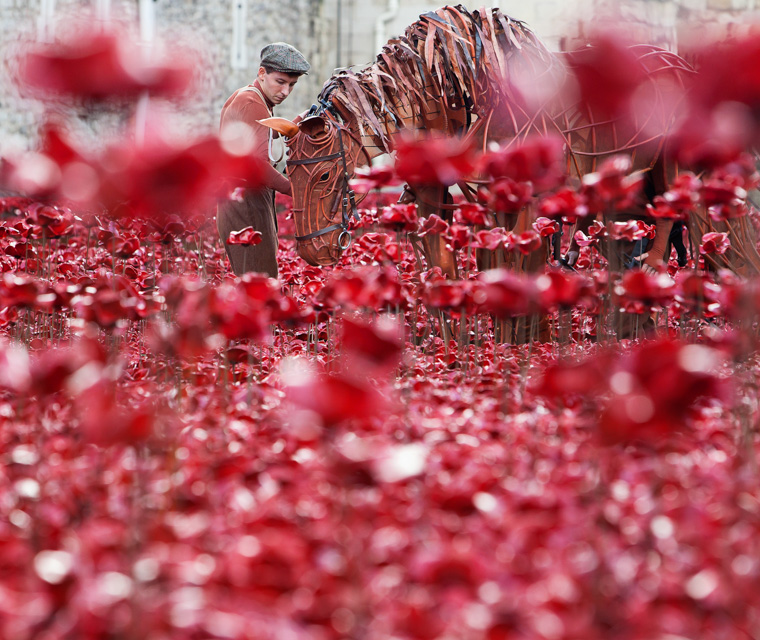
As for viral, one photo from a set I took of War Horse's star, Joey, among the poppies at the Tower of London (Blood Swept Lands and Seas of Red) has been everywhere, with thousands of shares and likes on Facebook**:
Finally (drum roll...) my most "shared" photo is from 2006 of two Sphynx cats, Dream-maker and Felicity. They are not only beautiful, but they appear to be kissing. As such, it wins the Internet most days:

*By 'Google-friendly', I usually mean shared. And by shared, I mean infringed, a euphemism for stolen.
**Alas, the value of a picture credit is zero.
Ratings are overrated
Thoughts on improving as a photographer and portfolio curation
I rate all my images in Lightroom. This is an important part of my workflow, if for no other reason than offering another search/filtering option. Here’s why else it matters and what it means:
The Star system
First, an explanation: after every shoot, photos are rated from one to five stars in my library.
One star is for something awful: misfires, blinks, out of focus shots etc. These will be deleted later.
Two stars means poor: this collection contains uninspiring but required images, the dull fillers.
Three stars get awarded to anything reasonable. They're fine, but wouldn't go in any portfolio.
Four stars: while I wouldn't put these on a website, I might keep them for clients requesting to see examples of something.
Five stars are for my favourite work: most of these are on my website. Those which aren't are either too similar to my website portfolio, too old, or not quite relevant to the kind of work I do.
I never spend more than a second deciding on each picture. The majority get three stars - or at least this is the default rating (I realise this undermines the purpose of the system). Occasionally I'll award an entire batch four/five stars for a shoot which I was happy with, but which provided very similar shots. I'll often go back after a few days with a fresh perspective, and after the initial buzz has gone.
So?
Now that's out the way, there are three things to think about.
The first is that I've realised there’s no real need to rate the images, as the value is limited. Mostly, it’s self-appraisal after a shoot is complete, and sometimes the only critique they'll receive. While an important debriefing process (of a kind), my own narrow judgement is not ideal; it's too subjective and informed. Constructive criticism is best coming from other photographers - but this is a rare thing. Feedback from clients is typically rare.
The second - related - is that star ratings over-simplify and commodify the qualities of a photograph. Worse, they do so in a rather diluted and liberal fashion. At least there's something unforgiving and final with the simple thumbs up/down system (or "kill" and "keep"), and which I apply to the first round from a shoot. Bear in mind that anything less than four stars won't ever be seen again, so it amounts to the same thing.
Third, I notice I’m not improving. I scatter roughly the same amount of stars now as I did when I first went freelance. Less than a dozen times a year will I make a five star image. Actually, I’m probably giving out fewer fours and threes, as I see the same kind of images I’ve shot before: less original, and scarcely improved upon. The fives would also be going down, but for the fact I’m doing more interesting and different work than I used to, which I suppose allows for more possibility of getting something I like.
Practice does not make perfect
Of course, it’s entirely to do with the critical eye. As we improve on the ground, by necessity our more informed eye looks for higher concerns, and becomes a tougher critic. I’ve probably mentioned elsewhere my press photography NCE portfolio (2004?), about which I was once very pleased. It now makes me cringe. Yet there are still three images from it on my website (have I said too much?) - and whether I’ve kept them because they stand the test of time, or because they show an aspect of my style which I’d like to continue to present, I don’t know.
I do know that I’d like to replace them, and that urgency grows every year. There's something Dorian Grey about it all. You just get bored of seeing them, and their appearance is both shaming ("WHY haven't I bettered this?") and a source of pride ("...but I still like it after so long!").
Even the five-star images have a shelf-life, an inherent entropy. Eventually they lose their shine and drop down the rankings: one day you demote them to four, then, later, into the abyss of three stars and lower.
The only thing to do is to keep working, to keep trying. To replenish the top tier, to keep feeding the beast with something fresh, at least for a while.
Seeing past the subject
Is it a good portrait, or just a well-known face?
The discussion about Charlotte Proudman had me thinking. Not about how inappropriate the comment was, nor the misuse of LinkedIn, or sexism. I wondered whether it's even possible to separate a good photograph from a good subject. Not to say the images below are good or not, but to argue that the subject matter often has a bearing on it.
I have photos of Jamie Oliver and Chiwetel Ejiofor on my portrait page. To be quite honest, I'm not sure if they're very particularly strong images, but they do suggest access, which can equate to experience or skill. Hence, portfolio.
Similarly, many sports photographers might have shots of Usain Bolt/Mo Farah/Jessica Ennis/Oscar Pistorius shot from the end of the race track, crossing the finish line and winning the final. Even though these photos are far from unique and possibly not very exciting*, some of their value is in their fame and recognisability (which comes from newsworthiness). They show how - like the athletes they depict - the photographer is at the very top of her or his profession.
As for newsworthiness, we have etched in our collective consciousness innumerable images depicting great tragedy or joy, and never really consider or care whether they're 'good' from any other viewpoint (technical, artistic, creative etc.), but only see them as records of historic fact, and therefore as powerful photographs.
So: photogenic subjects, famous subjects, newsworthy subjects. These kinds of people blur one's opinion seamlessly: "Is it a 'stunning' LinkedIn image, or is the subject 'stunning'?", "Is it a great portrait, or just a well-known face?", and "Is it a good photo, or just access to some incredible event?"
Most interesting of the three kinds of subjects above is the 'famous': interesting because our cultural, subjective, informed position affects (determines?) how we view images of famous people. And it's very much rooted in its time. That is, it makes all the difference if the viewer knows who the person is, and even their opinion of them. If they don't know them, or at least don't recognise them, their viewing is immediately and irrevocably altered once given this information**. So, back to the title: I dug out some images of (I hope) less-recognisable but nonetheless powerful ladies.
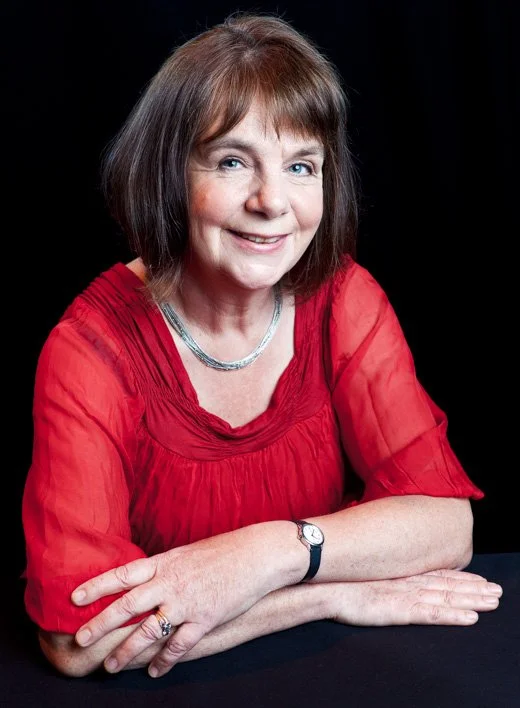
This is someone you would know but probably not recognise:

She's an author, and as for fame, her most well-known book is perhaps only second to Harry Potter. Her work has spawned shows, films, mugs, socks and school bags. Every young-ish parent in the country will own at least a few of her books, and many (myself included) know them off-by-heart. It's Julia Donaldson, author of the Gruffalo.
But is it a good picture? Well, as I've been saying, sometimes it's hard to see past the fame of a person and judge a photograph objectively. In the end - and despite there being only a couple of decent images of Julia online anywhere - she never made my portfolio because I don't think the image is strong enough.
So much for fame. Next are three leading ladies who are (perhaps?) less-recognised still but nonetheless hugely influential, powerful and successful. We have President of International Markets for Mastercard, Ann Cairns; Chief Corporate Affairs Officer at Pearson, Kate James; and Vice-President EMEA for Facebook, Nicola Mendelsohn. All these did make my portfolio - but not with these photos. Other images from the shoots were stronger (take a look in my business and portrait galleries).
Let's assume you don't recognise them, and, unlike with Julia Donaldson, there's no immediate association going on even once named. Does their business or their high position affect your judgment? As it happens, two have appeared in national newspapers fairly recently, so will be recognisable to some. But does it matter? Does it make a difference how you view them?


It comes down to historicism - the extent and angle to which the background (to an image, here) influences our opinion. Perhaps we like to think we can be more objective, but there's much more going on here. We can't help but frame our view with external knowledge, a cultural climate, and our personal bias and taste.
*Not unique, since many other photographers are positioned in the same place. And not exciting with respect to a photographer's more creative and/or less newsworthy portfolios. To put it another way, if the images weren't of global sports superstars winning the Olympics, but instead showed (otherwise identical) shots from, say, the second-round heats at the U-21 Commonwealth games, they'd be unlikely to feature in a portfolio.
**I should add that you can argue it's easier to read a portrait of a famous person. You have some idea who they are, and can judge to what extent the photograph captures and confirms that aspect of their personality. Or indeed, questions it. Success or failure in the portrait is surely tied to this in some respect.
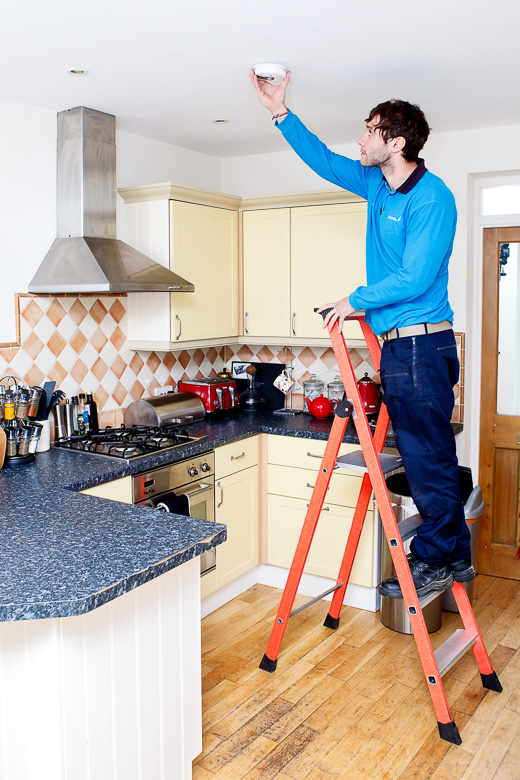
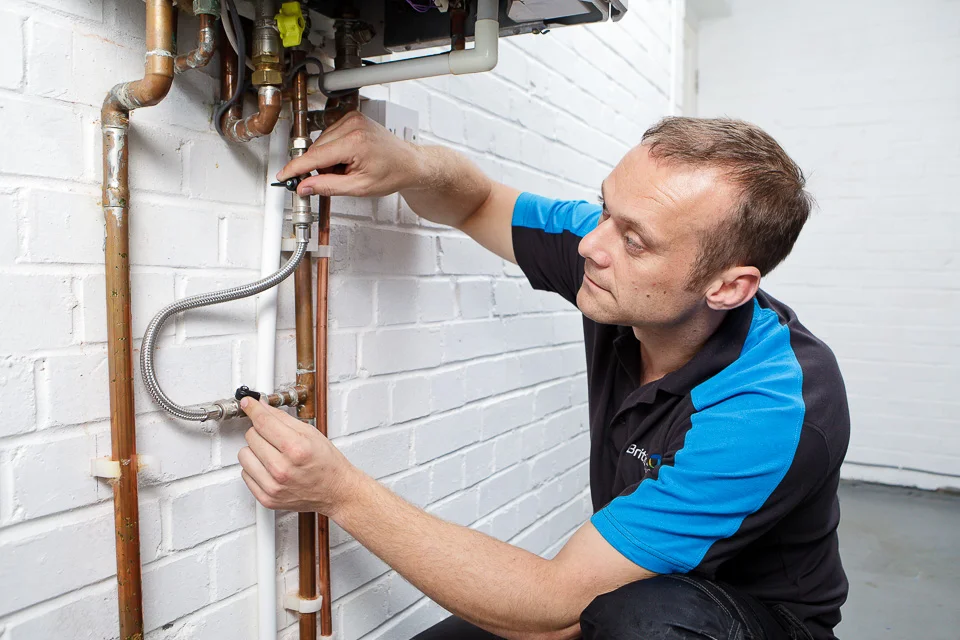
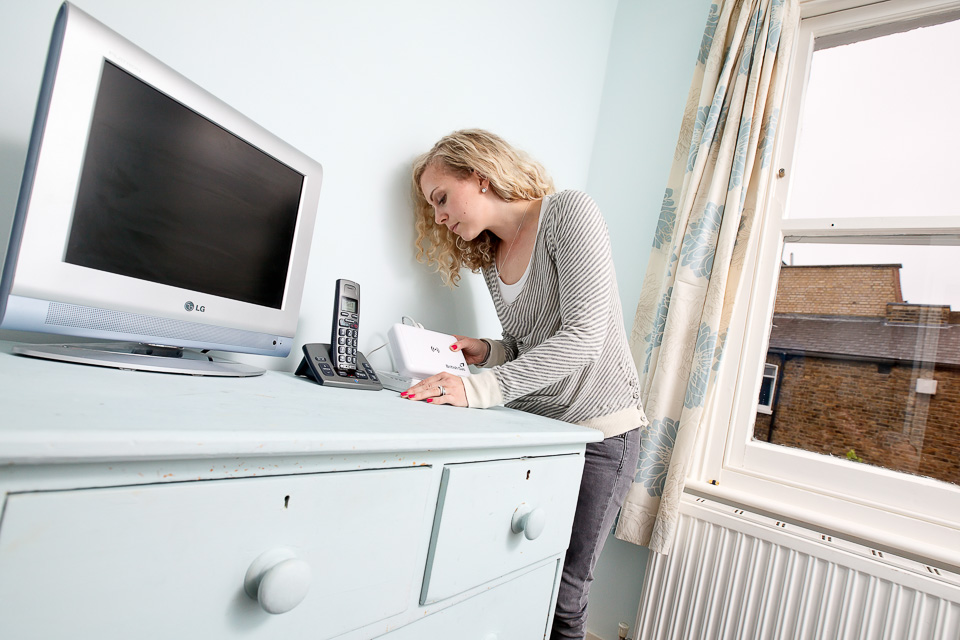
British Gas
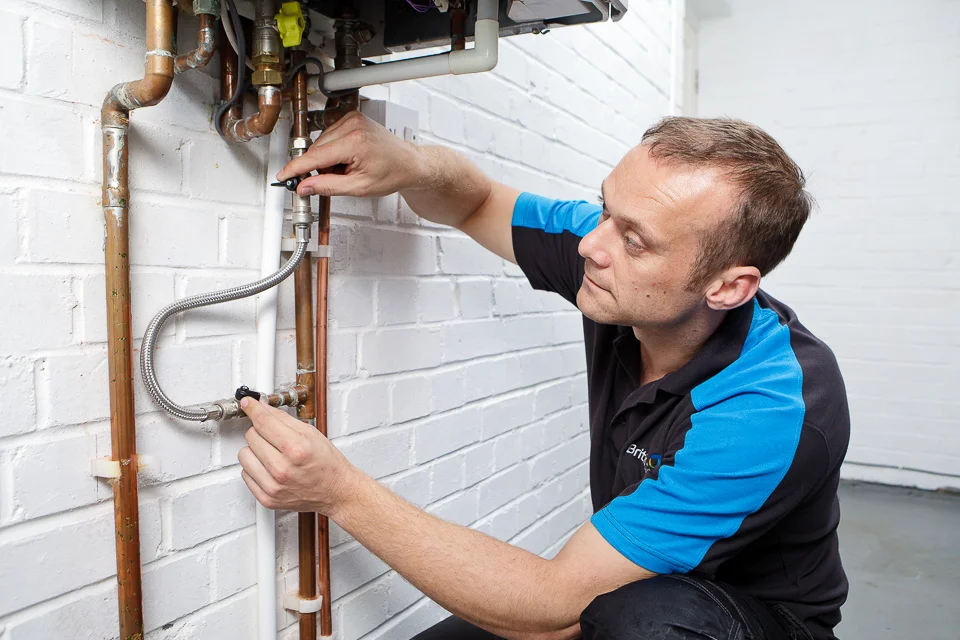
Lifestyle campaign photography for British Gas
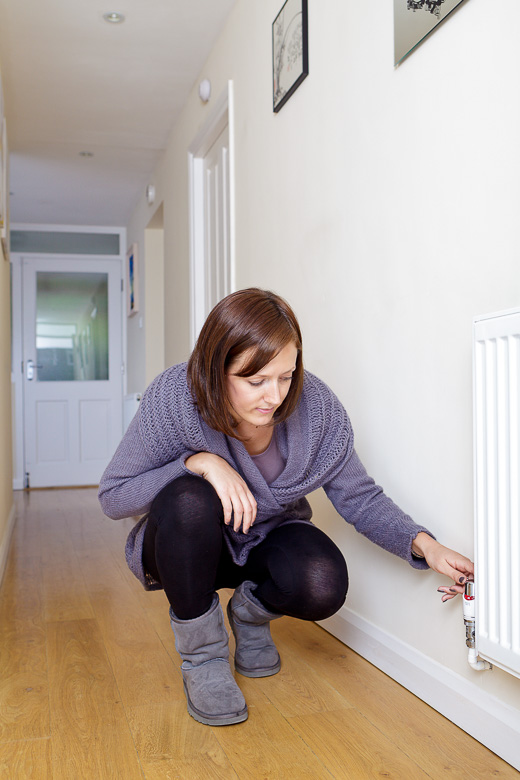
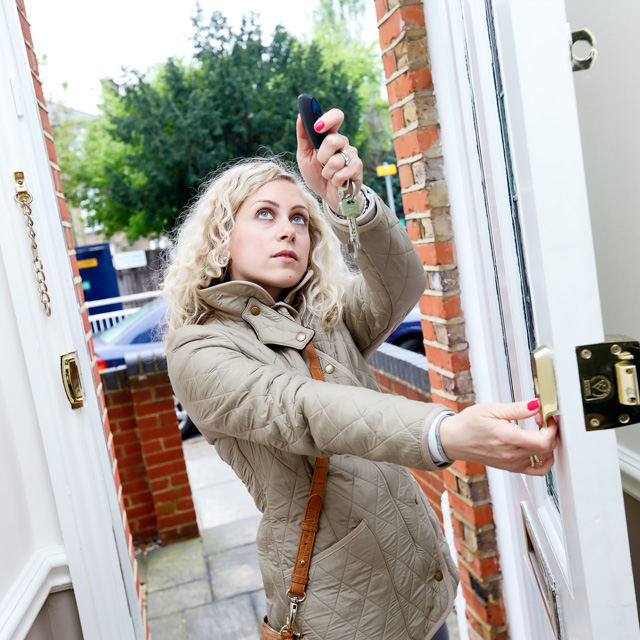
A selection of images from lifestyle / campaign shoots for British Gas in customers’ homes.






Problem solving vs creativity
I get told regularly that, being a photographer, I must be 'creative'. I’m not.
I get told regularly that, being a photographer, I must be 'creative'. I think this is intended as a compliment - and would like to take it as such - but I don't think it's true.
Photography is a job; it's about getting the picture that the client wants. The artistic shot might not be very useful; some shoots have a strict shot list which must be adhered to. Despite claims to the contrary, clients are usually after reliability, skill and experience over artistry. Creativity where it's possible and desirable - yes. But the brief comes first. There's a higher value on being a 'good operator' than a creative. Yes, of course, there is more scope to be the latter in, say, fashion or conceptual art, or where the emphasis with the brief is to capture a mood or idea. But much of the time, it's about creativity within limitations.
That said, creativity should always be part of the approach: there's nothing worse than ‘merely’ fulfilling a brief. Yet so often, the most direct or simple shot is often the best one, or at the very least, the frame of reference, the 'safety shot' from which we develop an idea. Hence, the idea of considering oneself artistic and pursuing creativity as a goal feels a little misleading and unhelpful, starting from the end point as it does, and working backwards to the brief. That is, we end up trying too hard.
Even for portraits (in my field, at least) I find myself working logically towards a goal. The challenge is not in considering theoretical or 'deep' artistic concepts, but simply identifying what could improve the photograph, then working out how to do it. Pragmatics and logistics.
I think creativity mostly takes place in one's personal work. In commissioned work - if creative flow occurs at all - it's at the meeting point between that personal creativity and the objective brief.
So I describe what I do as problem-solving. This might be a creative outlet (I don't know) but it's about dealing with issues, people, logistics, lighting etc. quickly and efficiently. Anticipating, problem-solving, troubleshooting - that sort of thing. A little bit of 'what if' and trying out ideas which come up, perhaps (but even these are rooted in time and situation, not theory).
And if there is a trick, it is to get something fresh within the limitations of the real world (and in real time). And that's the challenge I enjoy. To find that meeting point. It's knowing when something good, new, or interesting can be achieved from the mundane (and the corollary: realising when even the most (apparently) rich situation has nothing much to offer). That would be where creative opportunities lie.
There's the idea (mostly untrue) that you're either logical or artistic. But if that is the case, I'm the former. Which could be damaging to one's ego, to consider oneself unartistic in what is considered an artistic profession. But that's how it is, at least for me.

2014 in pictures
A selection of commissions from 2014
I've been doing a *lot* of corporate portraits this year. But in the interest of keeping it interesting, I think one is probably more than enough, and then we can move on. I took this only a few weeks ago:
The next image was of Joey, from War Horse, who visited the poppy installation - Blood Swept Lands and Seas of Red - at the Tower of London with writer Michael Murpurgo. I've "met" Joey a couple of times now. He stamps and flinches; he gets nervous around people (despite his size); even the puppeteer in charge of his harness sometimes struggles to keep him under control - or so it seems, such is the skill with which they bring him to life. I feel nervous walking behind him, as if he could kick me. Anyway, the reaction from the crowds was fantastic - moving, even - and many of the pictures went viral. Unfortunately, it was one of those shoots where I can't take much credit, as it would be hard not to take a decent shot. given the subject matter. This was my favourite:
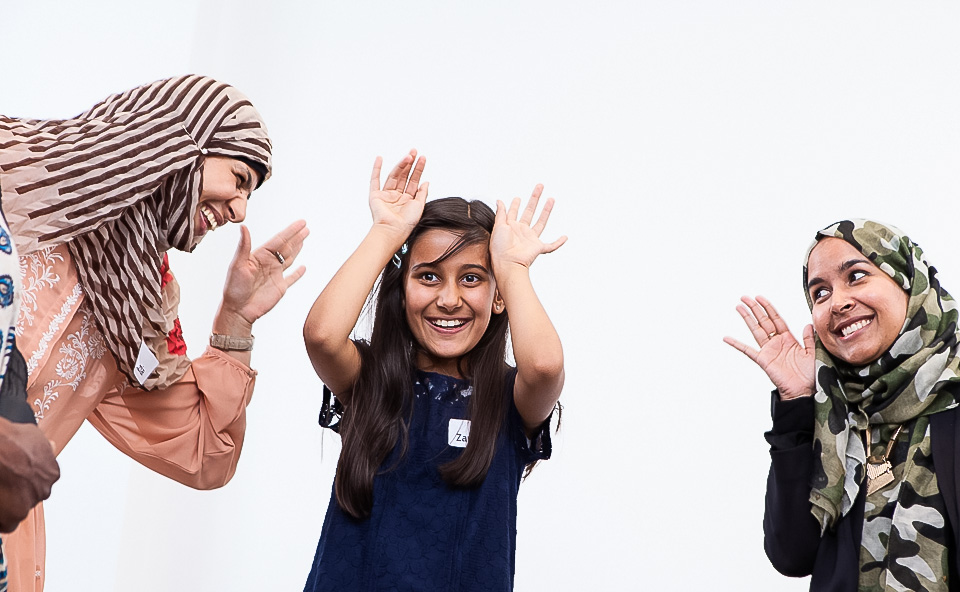
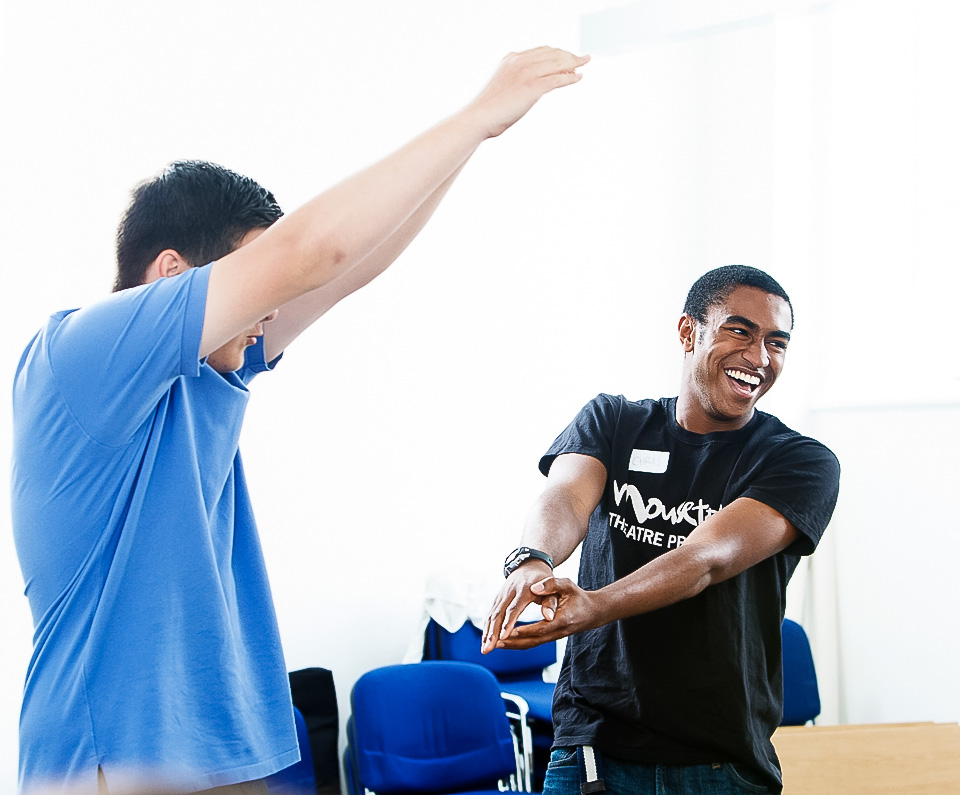
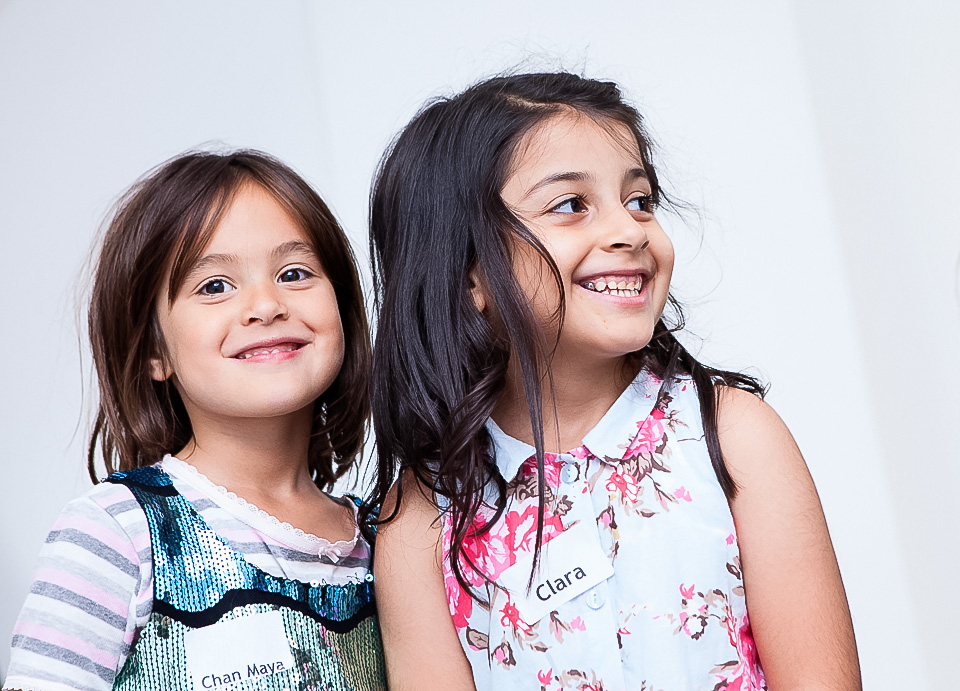
I work a lot with Mousetrap Theatre Projects, a wonderful charity who educate and inspire young people, getting them access to and involvement in theatre. One of many projects and programs they run, I've photographed a number of "Relaxed Performances", where you have families who might not otherwise ever get to see shows. Here, Matilda was actually put on by the RSC - and it went down a treat. Other slideshow images are from one of Mousetrap's workshops. And below that is Michael Ball, helping raise money at one of their fundraisers.


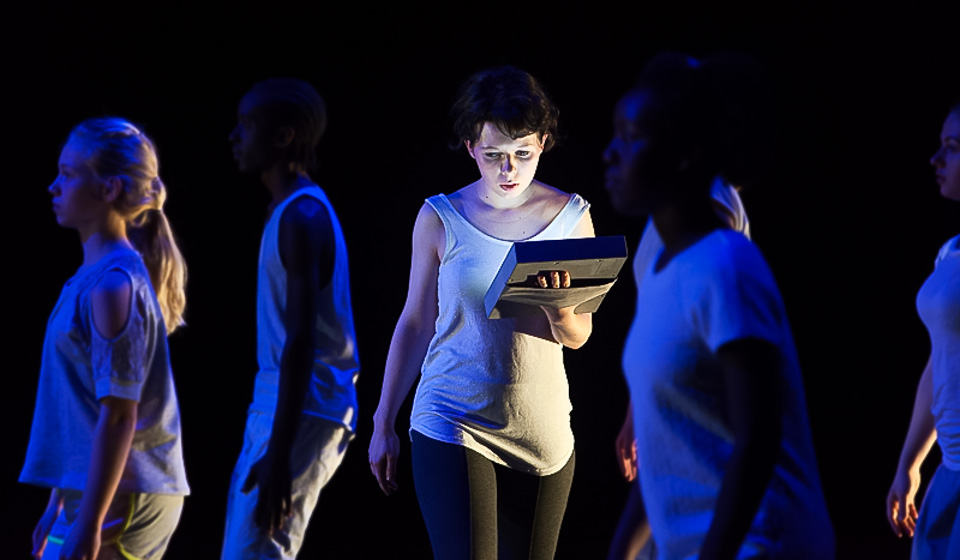
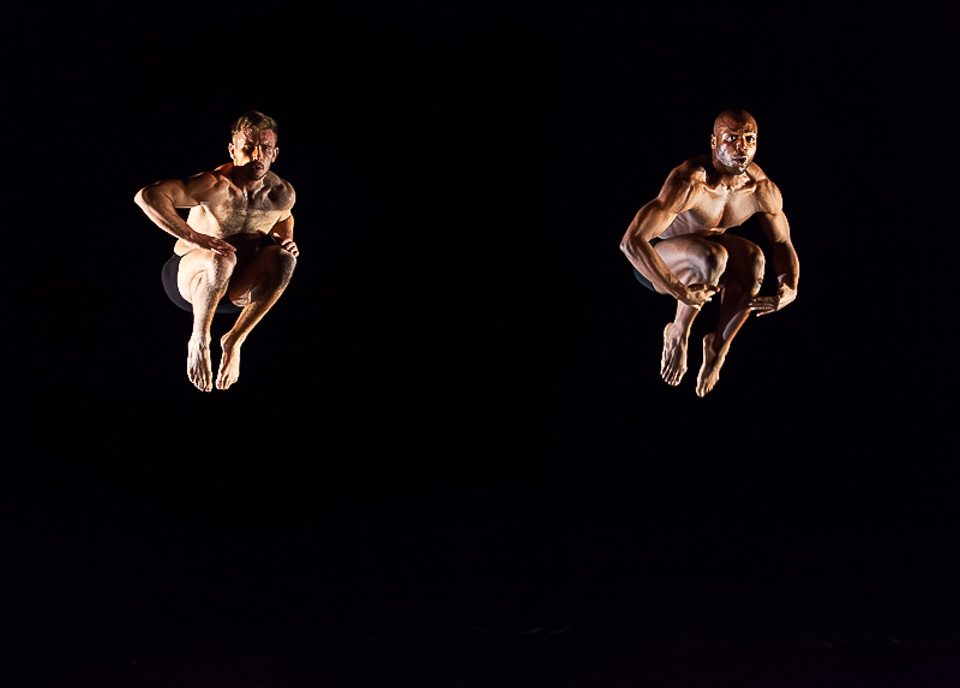
I covered some dance:
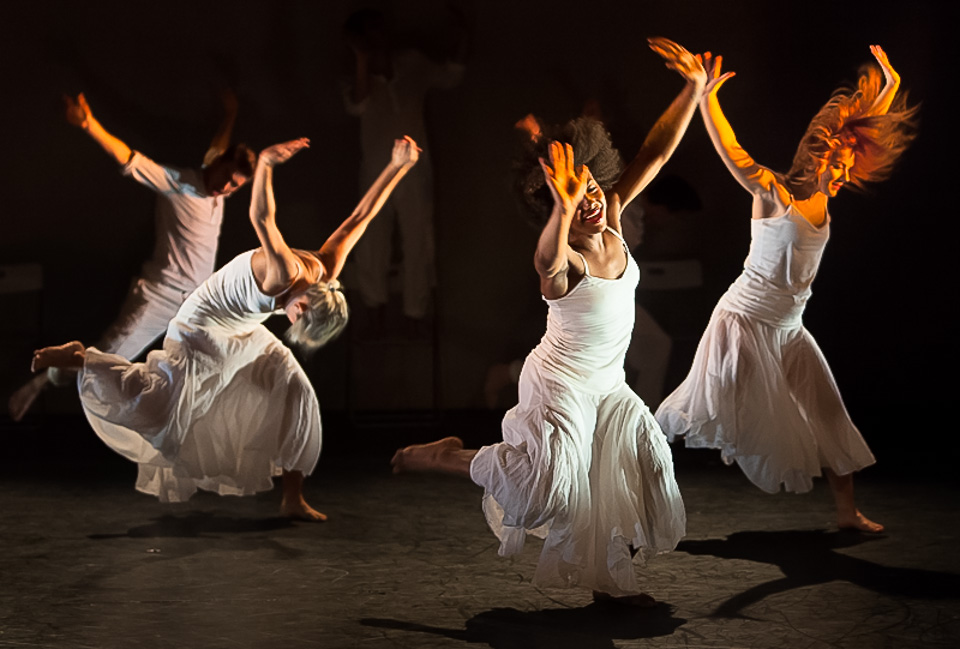
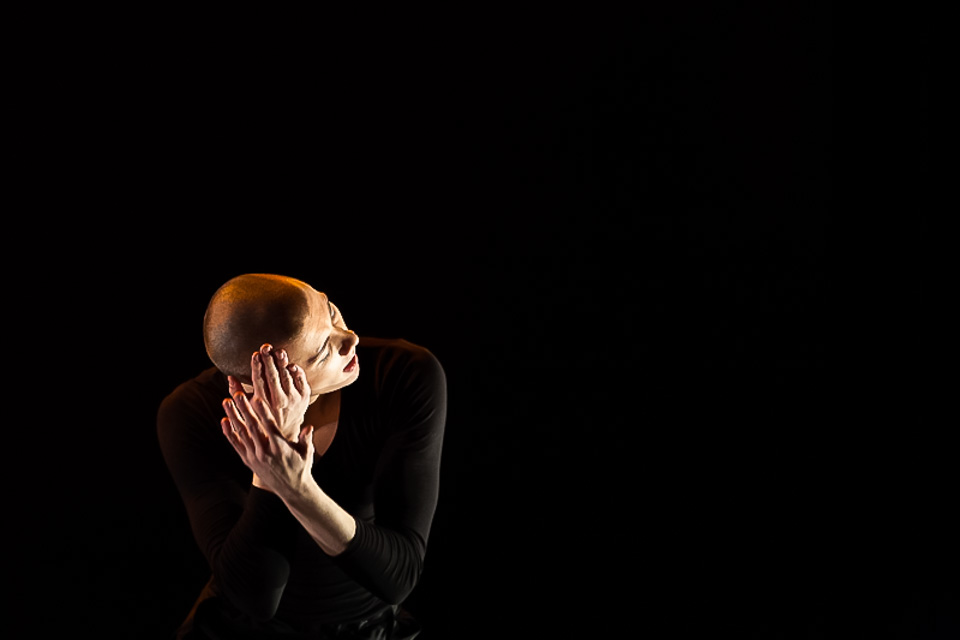
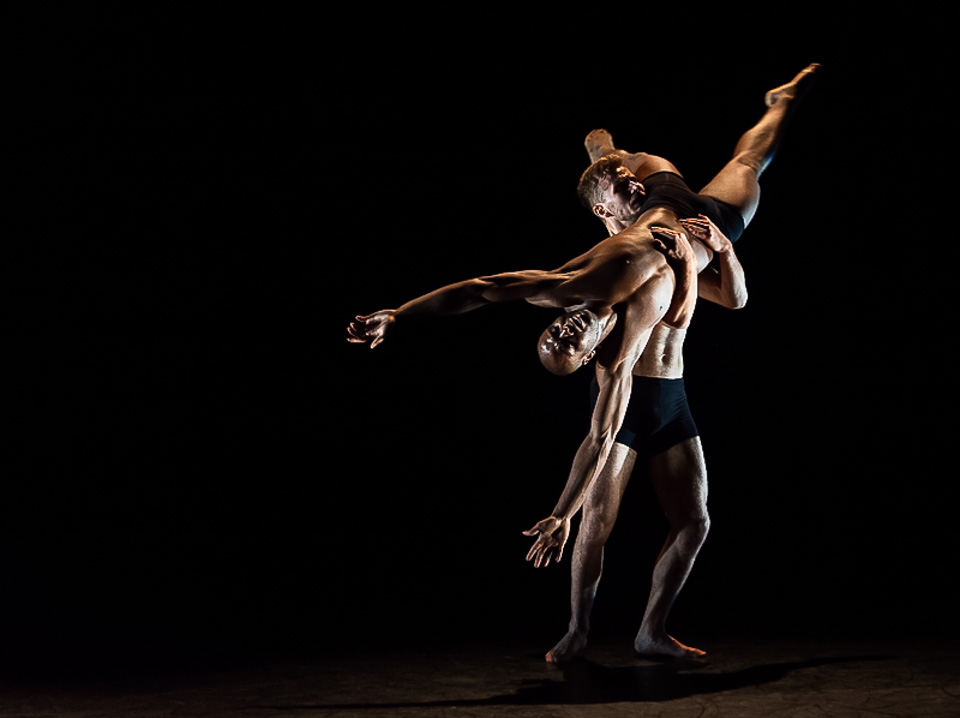
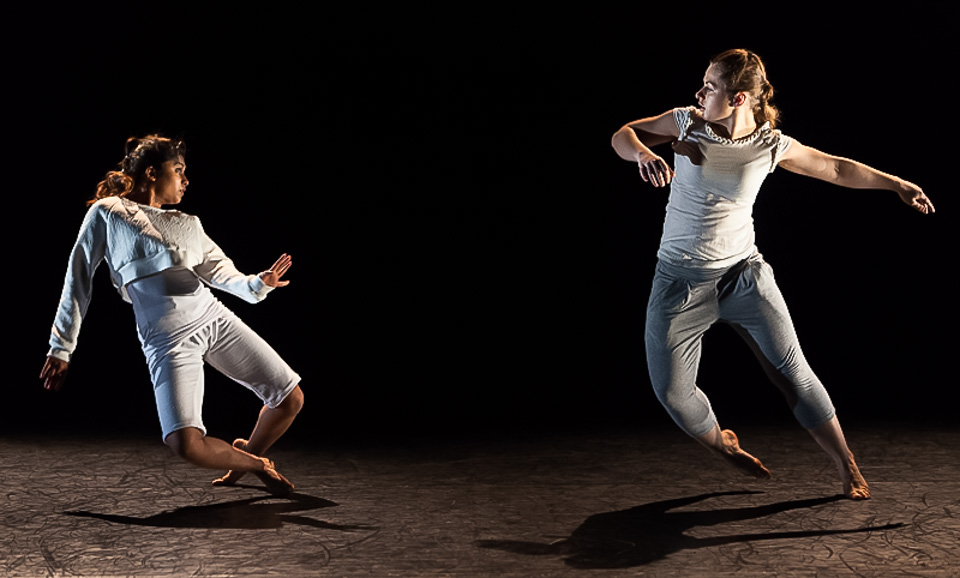
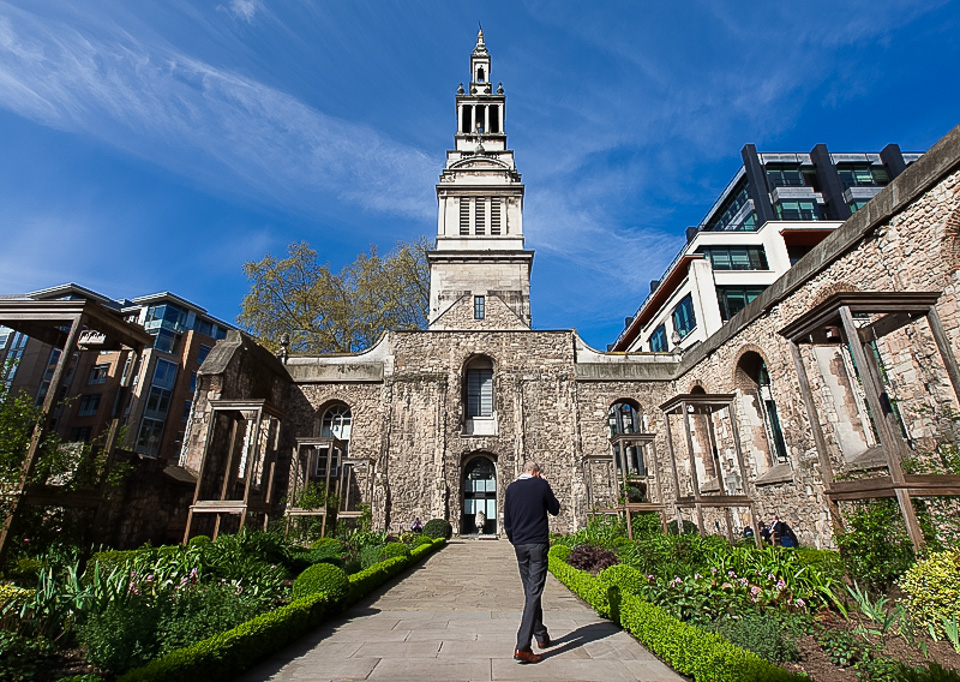
One of my favourite commissions of the year might was stock photography around Central London, for a commercial property developer. People, buildings, details - that sort of thing. I had a shot list to include certain locations and landmarks, but apart from this I was free to wander off track with vague and occasional detours, just looking for interesting photographs:




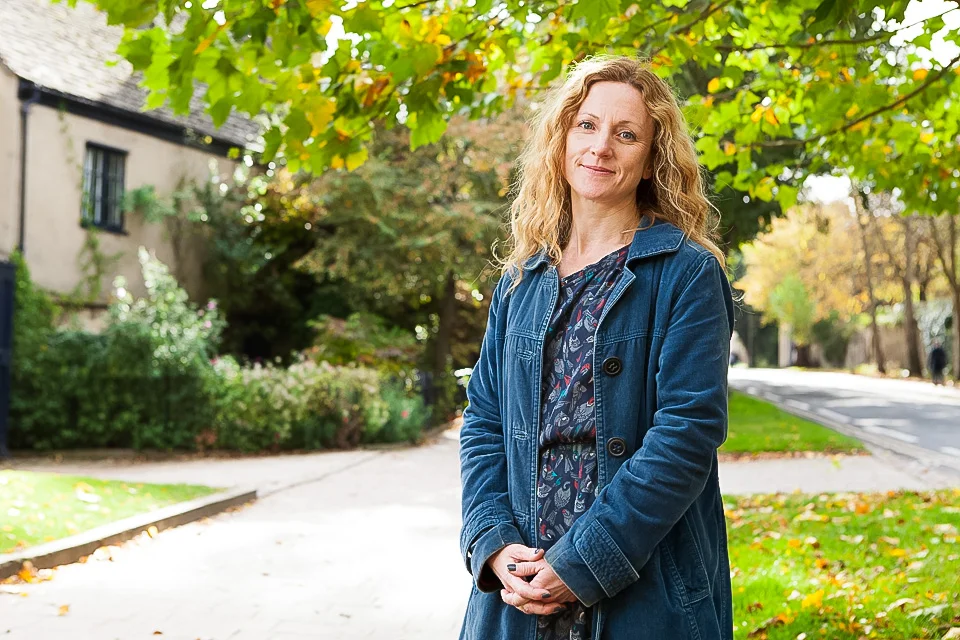
I love portraits, and was fortunate enough to spend a few days shooting case studies - lecturers and students, mainly - who use a Virtual Learning platform (Canvas). We filmed and photographed at a few locations including the University of Birmingham and Norway's University of Science and Technology, Trondheim:



I did some portraits on the set of The Curious Incident of the Dog in the Night-Time with playwright Simon Stephens ahead of its opening on Broadway. Writer Mark Haddon (not shown) was also there. Despite the minimalist set and extremely short time allowed, it was one of those sessions where you leave heavy-hearted because you feel you missed the shot. Black walls, dotted lights, white cubes, mathematics lines - it's a great set you could do a lot with. Or not?

And there were some other case-study/interview portraits. Which are kind of corporate, actually. Sorry about that, I did promise no more:
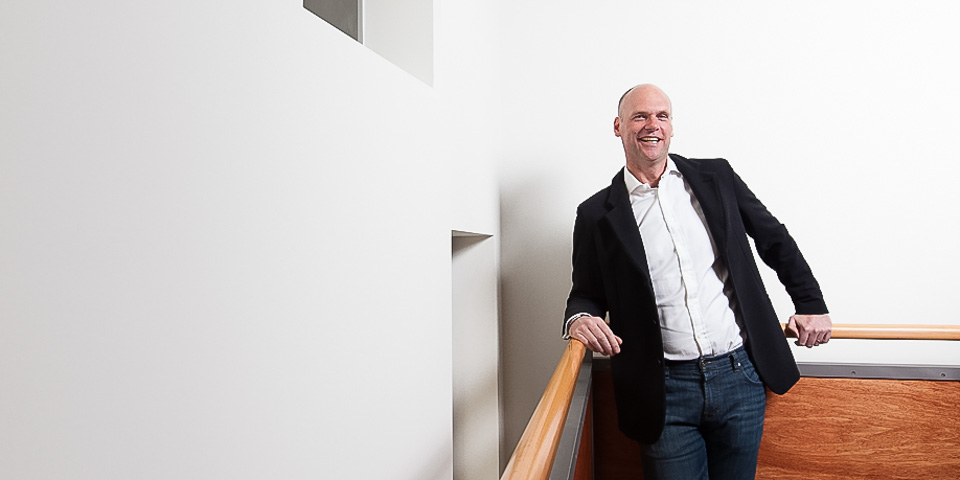
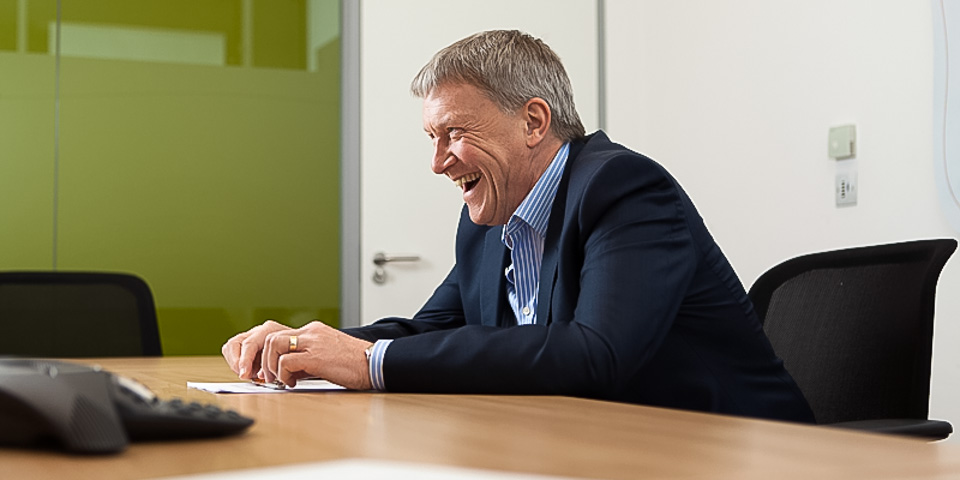
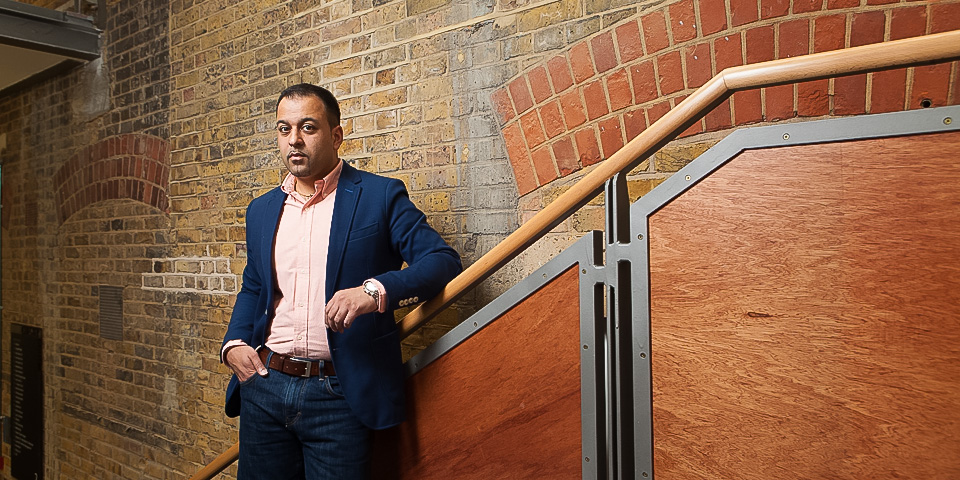
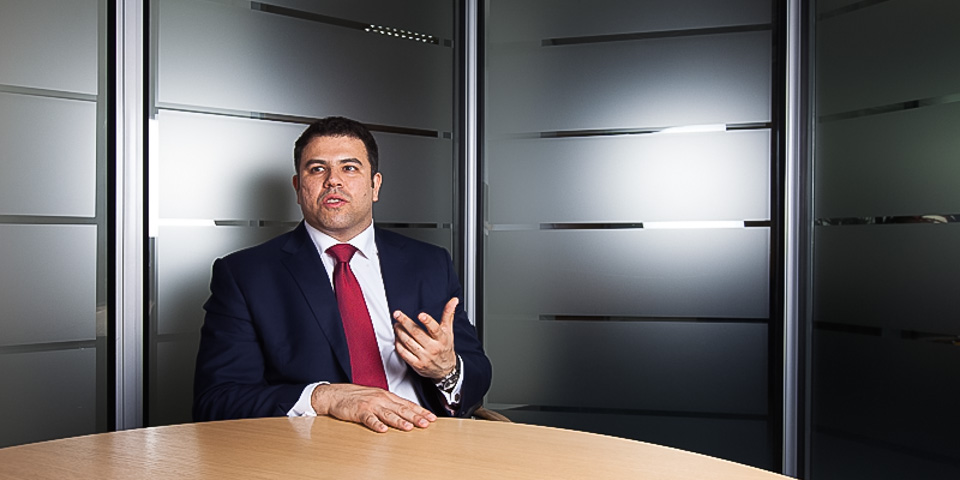
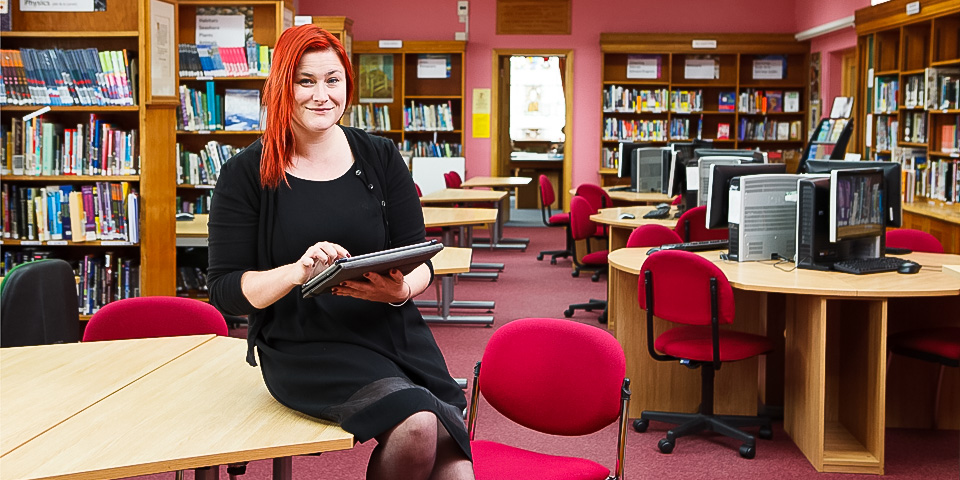
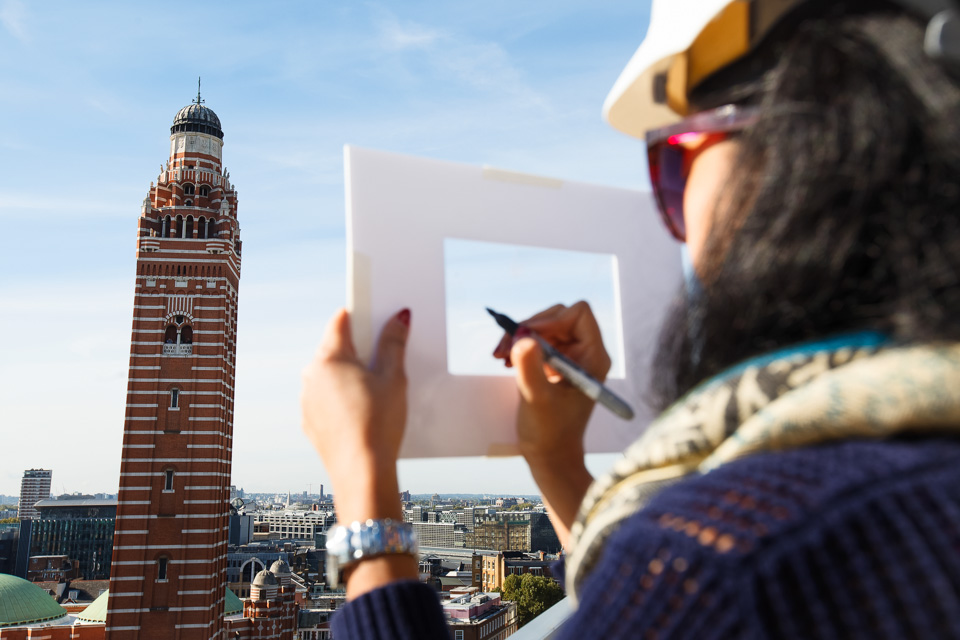
Create Victoria held four days of free events and workshops, including a DJ masterclass (rear-curtain flash - first time in years, and it shows!), an early-morning fitness session, a rooftop art class, a musical theatre lesson, and a textile upcycling workshop. It was hard work:




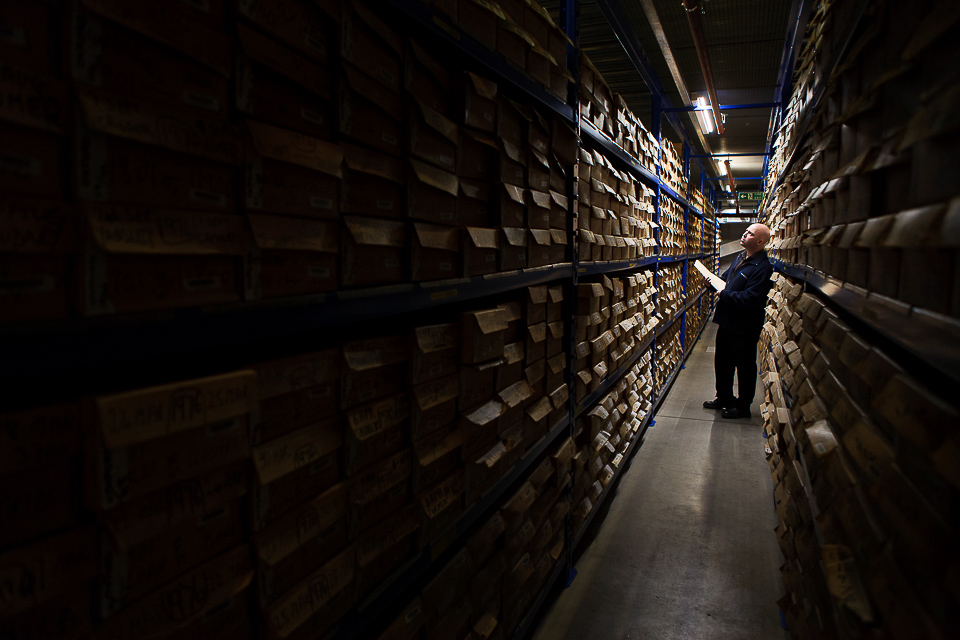
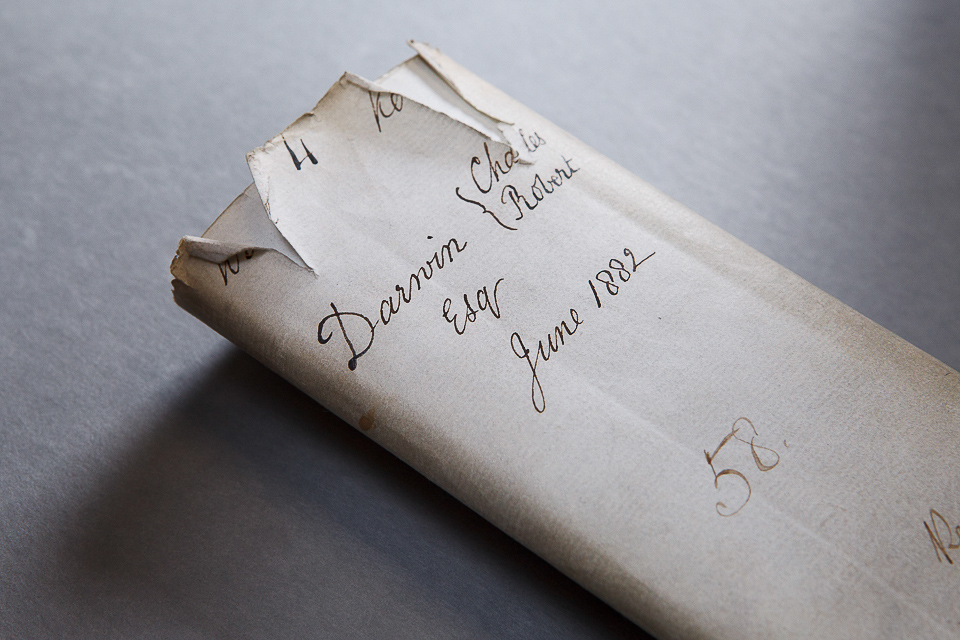
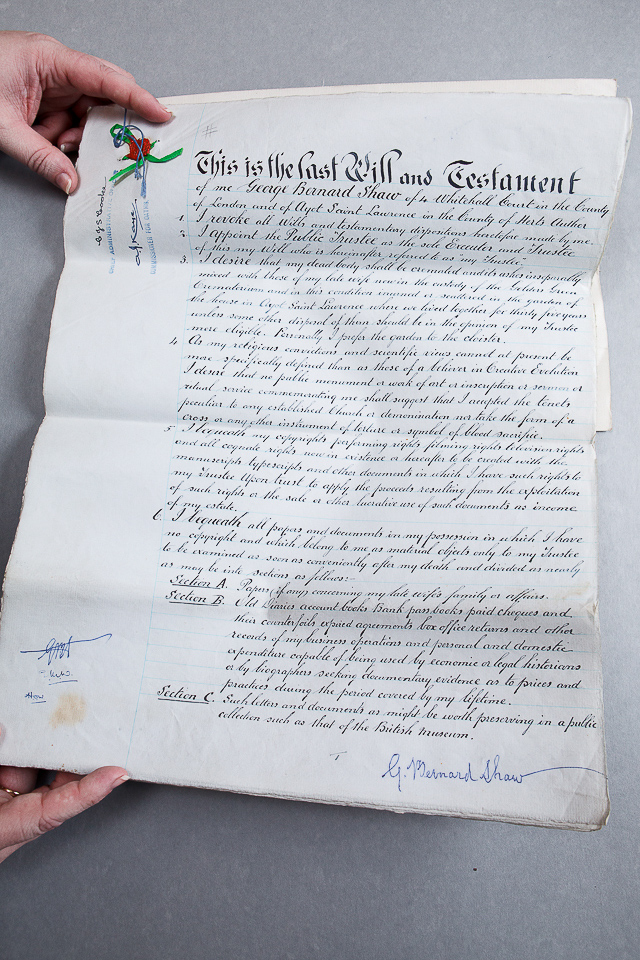
Sometimes you get great access - I visited a facility in Birmingham where millions of wills are stored. These are now available to search online, and I photographed some of the more famous ones, including those of Charlie Chaplin, Charles Darwin, Lady Diana, Michael Faraday, Dr. Crippen, J.R.R. Tolkein, Alan Turing, A.A. Milne, Beatrix Potter and George Orwell:
And I'll leave you with some images, again from a Mousetrap workshop, of an activity nobody seemed to understand, but was a lot of fun:


-
June 2025
- 19 Jun 2025 The forever purge
- 11 Jun 2025 Recent work - June 2025
- 6 Jun 2025 On Looking
-
January 2025
- 21 Jan 2025 The photographer's dictionary
-
November 2024
- 19 Nov 2024 Recent work - November 2024
-
September 2024
- 17 Sept 2024 Recent work - September 2024
-
July 2024
- 4 Jul 2024 Mean Girls
-
May 2024
- 28 May 2024 Wakehurst
- 20 May 2024 Graduation
-
April 2024
- 16 Apr 2024 Recent work - April 2024
-
January 2024
- 22 Jan 2024 Recent work - January 2024
- 9 Jan 2024 Long live the local
-
October 2023
- 13 Oct 2023 CBRE
- 4 Oct 2023 Recent work - October 2023
-
September 2023
- 22 Sept 2023 Seeing past the subject (2)
-
April 2023
- 12 Apr 2023 Recent work - April 2023
-
February 2023
- 7 Feb 2023 Will AI do me out of a job?
-
December 2022
- 12 Dec 2022 Freelance life and other animals
-
November 2022
- 4 Nov 2022 Recent work - November 2022
-
July 2022
- 26 Jul 2022 Recent work - July 2022
- 25 Jul 2022 SOAS
- May 2022
-
January 2022
- 6 Jan 2022 Recent work - December 2021
- 5 Jan 2022 Prevayl
-
December 2021
- 17 Dec 2021 The day the hairdressers opened
-
December 2020
- 15 Dec 2020 SOAS - postgraduate prospectus
- 7 Dec 2020 Online teaching
-
October 2020
- 11 Oct 2020 Gratitudes
-
September 2020
- 24 Sept 2020 Headshots: why we need them, and why we don't like them
- 15 Sept 2020 From the archives - seven
- 10 Sept 2020 Recent work - September 2020
-
February 2020
- 13 Feb 2020 Mootral
-
November 2019
- 7 Nov 2019 Biteback 2030
-
September 2019
- 16 Sept 2019 B3 Living
-
July 2019
- 22 Jul 2019 Recent work - July 2019
- 19 Jul 2019 From the archives - six
-
April 2019
- 15 Apr 2019 Recent work - April 2019
-
March 2019
- 12 Mar 2019 International Women's Day
-
February 2019
- 4 Feb 2019 Recent work - February 2019
-
January 2019
- 17 Jan 2019 Four photographs
-
December 2018
- 10 Dec 2018 From the archives - five
-
November 2018
- 26 Nov 2018 How to compose photographs
- 5 Nov 2018 Recent work - November 2018
-
October 2018
- 17 Oct 2018 How to edit photographs in Instagram
- 8 Oct 2018 Out with the old
- 4 Oct 2018 Recent work - October 2018
- 1 Oct 2018 A little learning is a dangerous thing
-
September 2018
- 12 Sept 2018 From the archives - four
-
August 2018
- 16 Aug 2018 Recent work - August 2018
- 15 Aug 2018 I don't follow you
- 6 Aug 2018 Cookpad
-
June 2018
- 7 Jun 2018 Monks & Marbles
-
May 2018
- 23 May 2018 Netflix & Woof
- 21 May 2018 Best of Instagram
-
April 2018
- 24 Apr 2018 Standard Chartered Bank
-
March 2018
- 16 Mar 2018 Corporate self-portraiture (two)
- 8 Mar 2018 International Women's Day
-
February 2018
- 9 Feb 2018 Winter swimming
-
January 2018
- 16 Jan 2018 2017 in pictures
-
December 2017
- 6 Dec 2017 Toyota Mobility Foundation
-
November 2017
- 24 Nov 2017 Corporate work
-
October 2017
- 31 Oct 2017 Recent work - October 2017
- 13 Oct 2017 Pfizer - Protecting our Heroes
-
August 2017
- 22 Aug 2017 Wyborowa vodka
- 1 Aug 2017 Vauxhall animation
-
July 2017
- 20 Jul 2017 Take your parents to work
-
June 2017
- 22 Jun 2017 Recent work - June 2017
-
May 2017
- 9 May 2017 Huawei - The New Aesthetic
-
April 2017
- 24 Apr 2017 S.H.O.K.K.
-
March 2017
- 30 Mar 2017 Parkour Generations
- 27 Mar 2017 War Horse in Brighton
- 20 Mar 2017 Jane Eyre
-
January 2017
- 23 Jan 2017 Framing 101
-
December 2016
- 14 Dec 2016 Studio Fractal
-
November 2016
- 29 Nov 2016 Musician
- 10 Nov 2016 While I was waiting...
- 3 Nov 2016 Canvas
-
October 2016
- 11 Oct 2016 Rose Bruford
-
September 2016
- 21 Sept 2016 Instawalks
-
July 2016
- 28 Jul 2016 Property brochure
-
April 2016
- 6 Apr 2016 Breaks and burns
-
March 2016
- 31 Mar 2016 Mixed bag
- 1 Mar 2016 Sky Garden
-
November 2015
- 10 Nov 2015 Romain Grosjean
- 2 Nov 2015 Egosurfing
-
October 2015
- 1 Oct 2015 Ratings are overrated
-
September 2015
- 15 Sept 2015 Seeing past the subject
-
August 2015
- 25 Aug 2015 British Gas
- 19 Aug 2015 Problem solving vs creativity
-
December 2014
- 15 Dec 2014 2014 in pictures
-
January 2014
- 9 Jan 2014 2013 in pictures
-
December 2012
- 31 Dec 2012 2012 in pictures