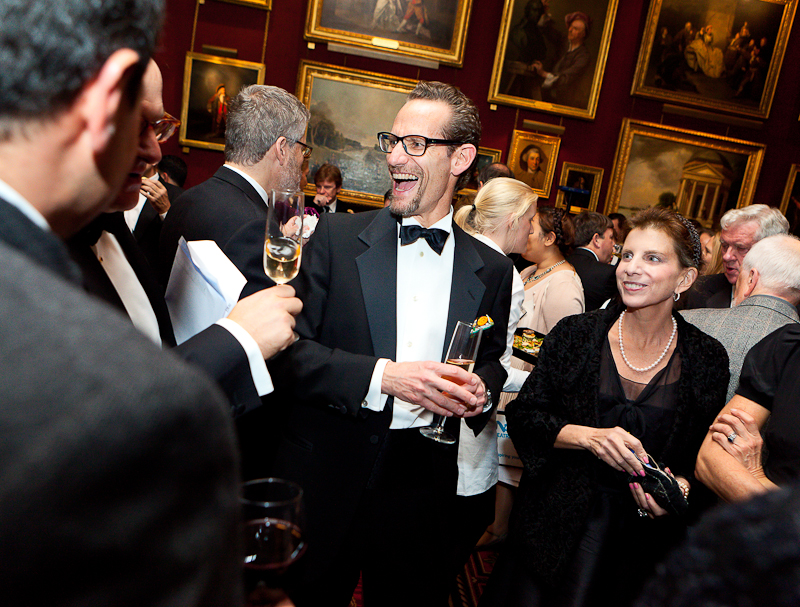
2014 alex rumford 2014 alex rumford

2014 in pictures

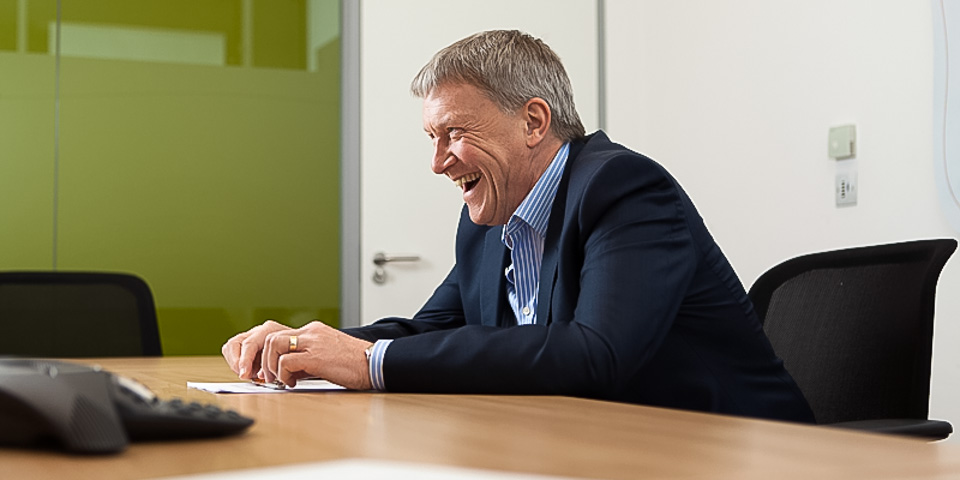
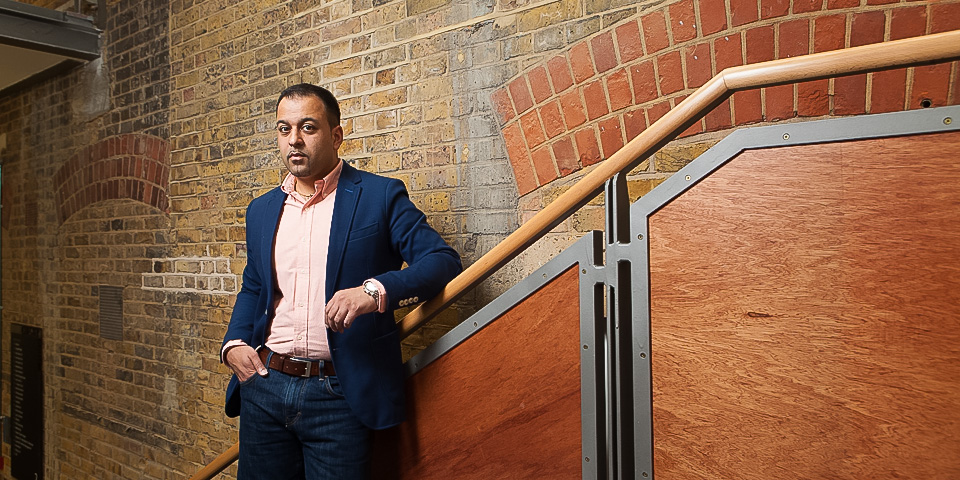
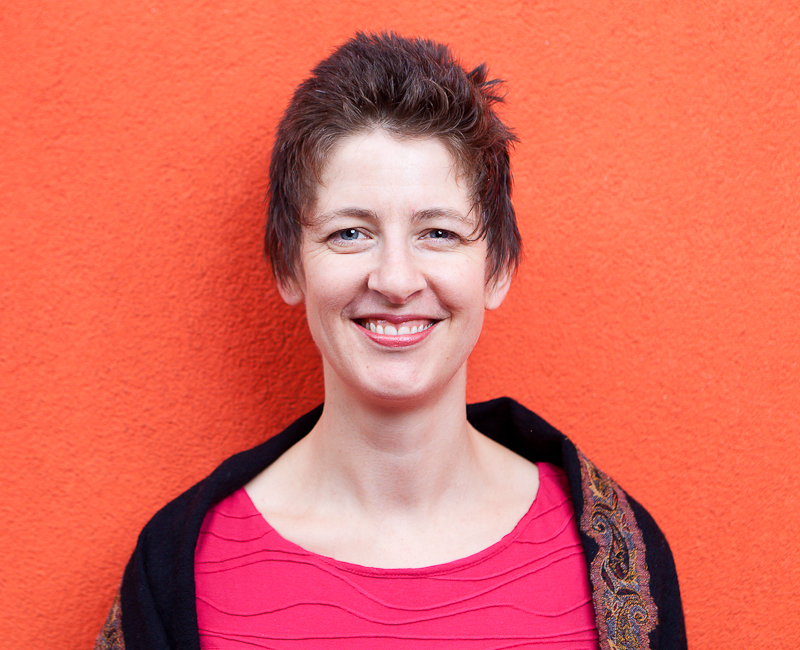
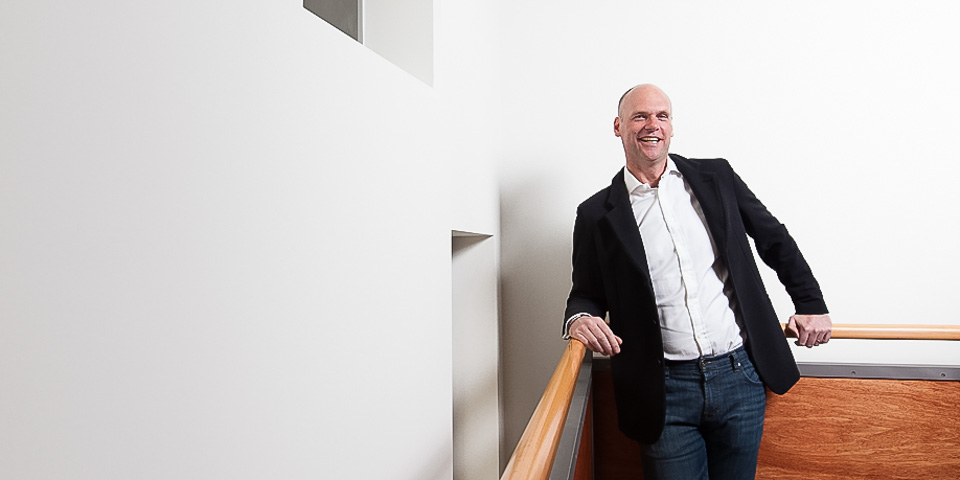
I've been doing a *lot* of corporate portraits this year. But in the interest of keeping it interesting, I think one is probably more than enough, and then we can move on. I took this only a few weeks ago: 

The next image was of Joey, from War Horse, who visited the poppy installation - Blood Swept Lands and Seas of Red - at the Tower of London with writer Michael Murpurgo. I've "met" Joey a couple of times now. He stamps and flinches; he gets nervous around people (despite his size); even the puppeteer in charge of his harness sometimes struggles to keep him under control - or so it seems, such is the skill with which they bring him to life. I feel nervous walking behind him, as if he could kick me. Anyway, the reaction from the crowds was fantastic - moving, even - and many of the pictures went viral. Unfortunately, it was one of those shoots where I can't take much credit, as it would be hard not to take a decent shot. given the subject matter. This was my favourite:

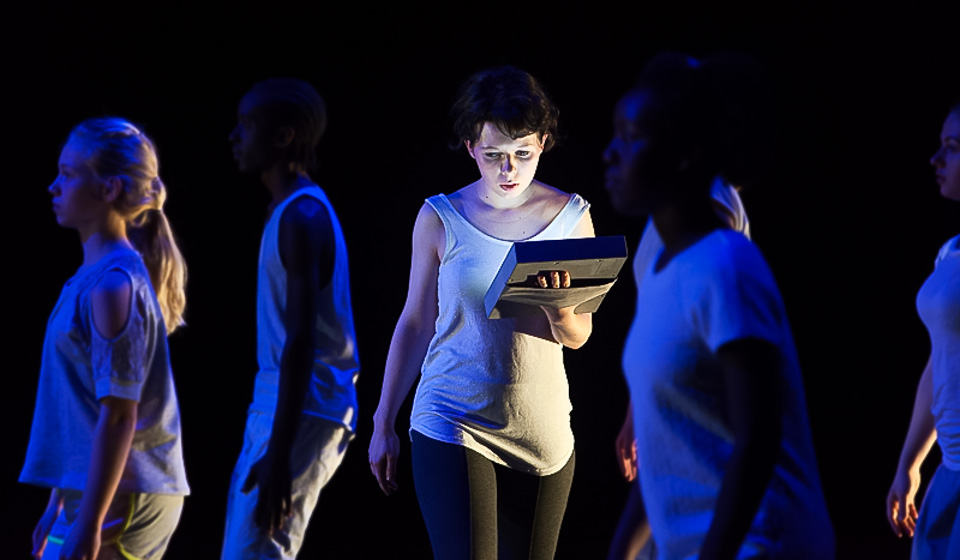
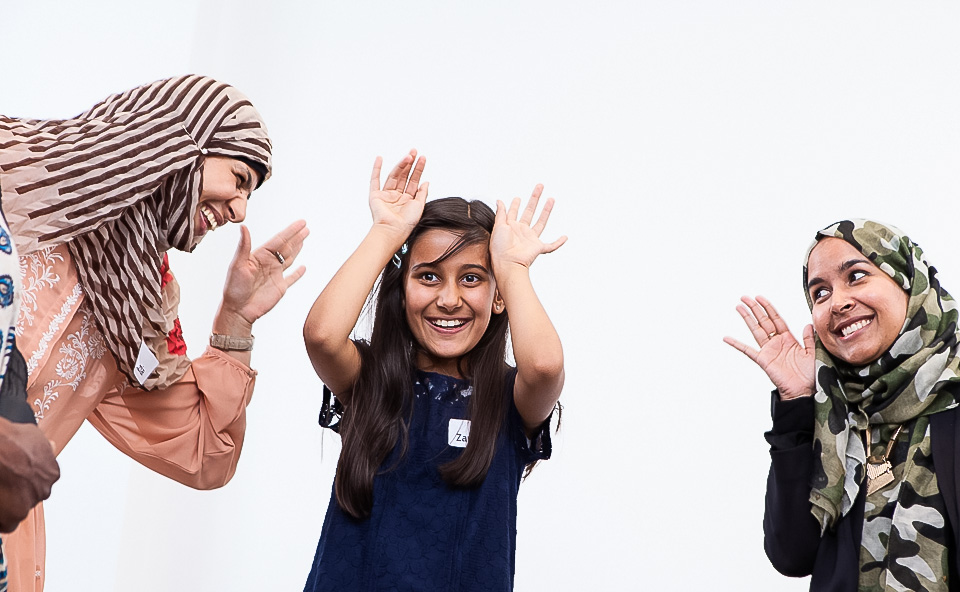
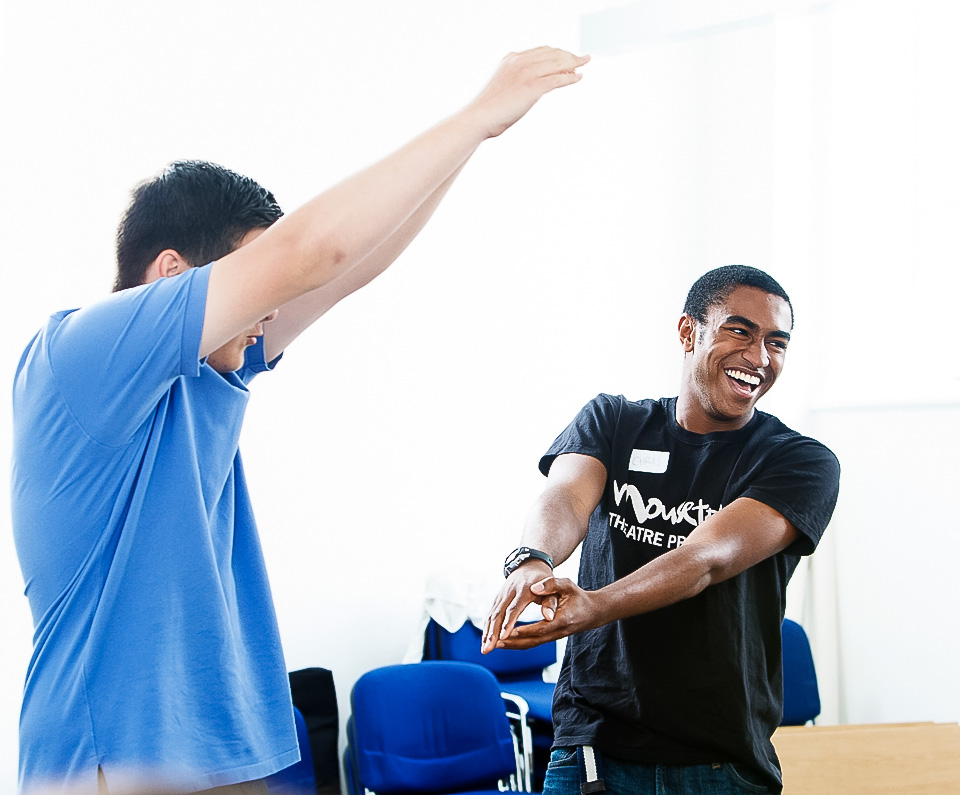
I work a lot with Mousetrap Theatre Projects, a wonderful charity who educate and inspire young people, getting them access to and involvement in theatre. One of many projects and programs they run, I've photographed a number of "Relaxed Performances", where you have families who might not otherwise ever get to see shows. Here, Matilda was actually put on by the RSC - and it went down a treat. Other slideshow images are from one of Mousetrap's workshops. And below that is Michael Ball, helping raise money at one of their fundraisers.

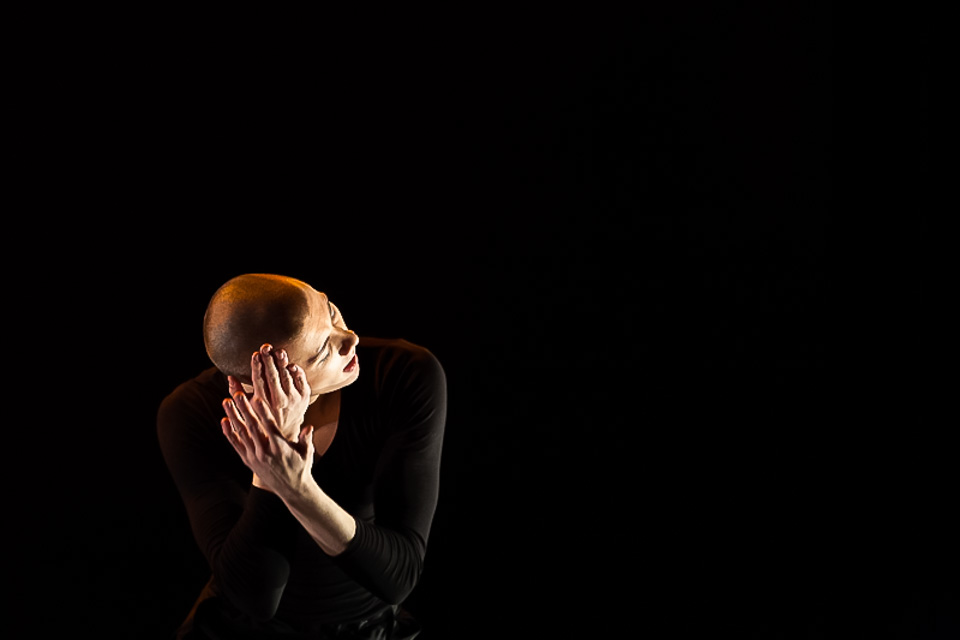
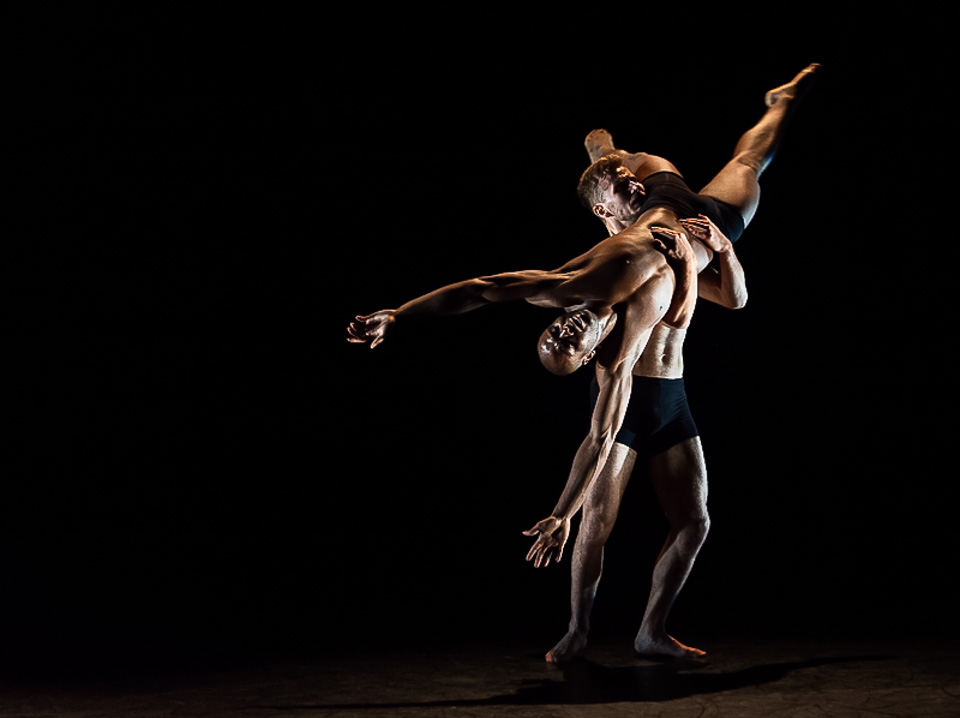
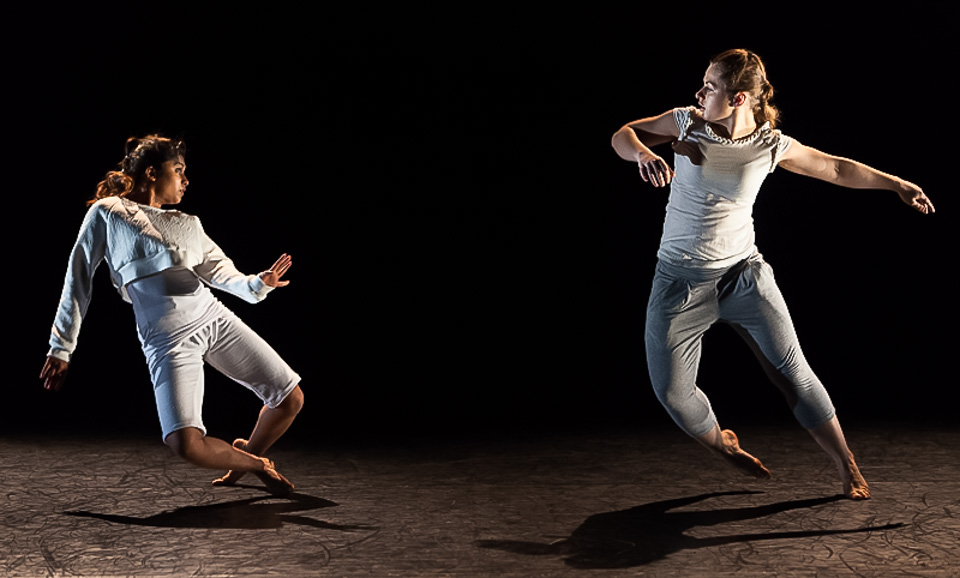
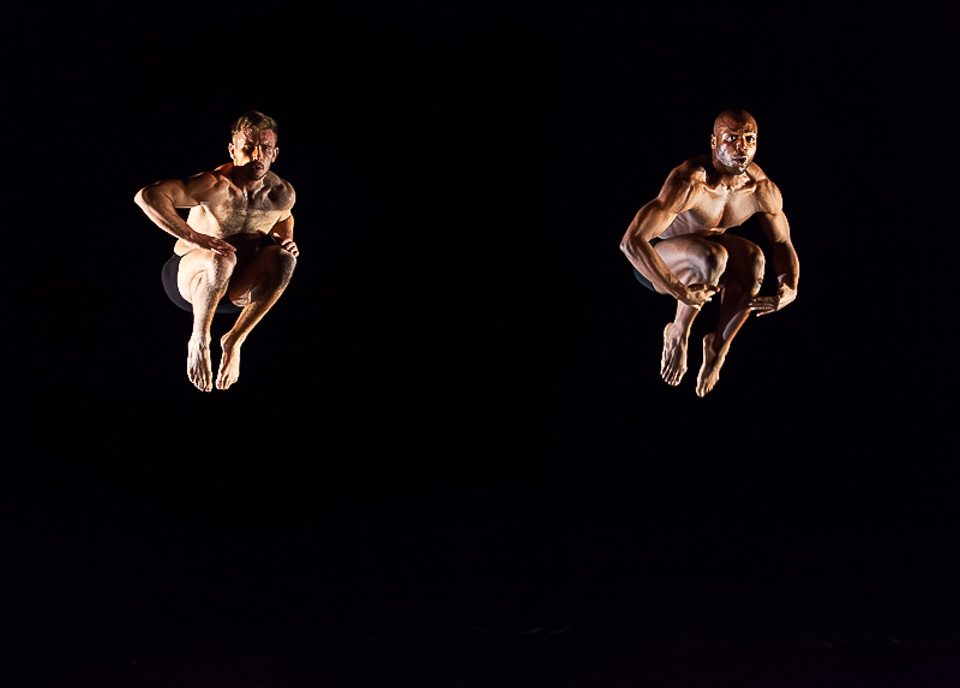
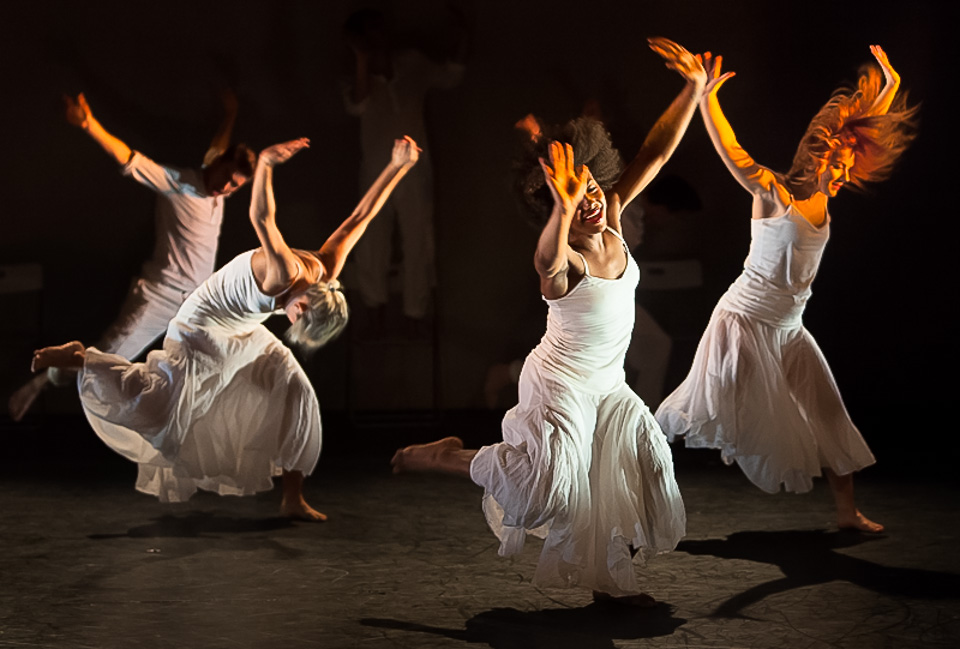
I covered some dance:
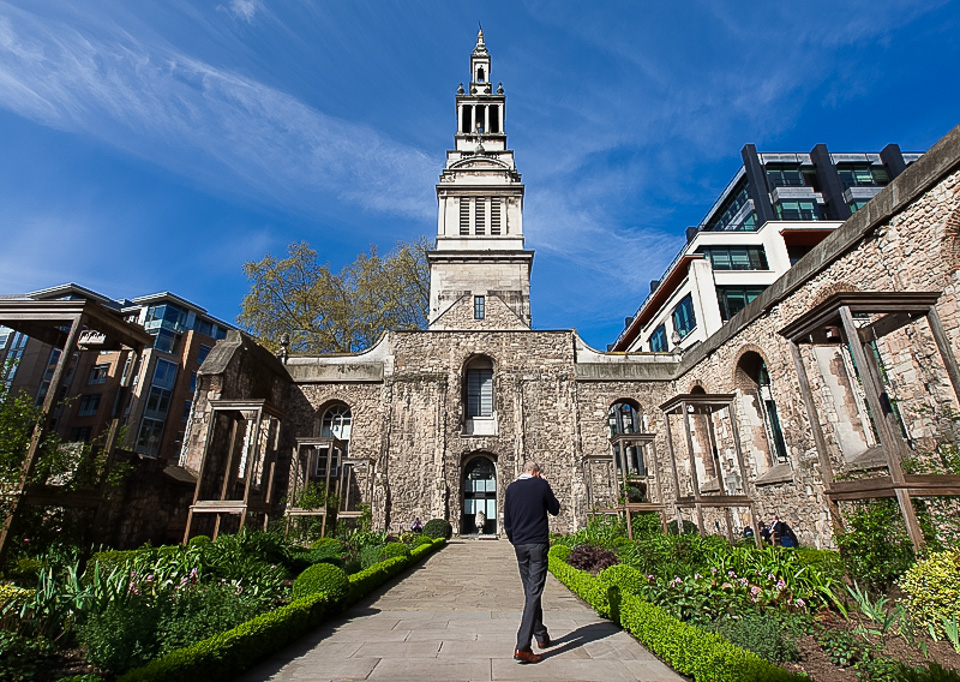
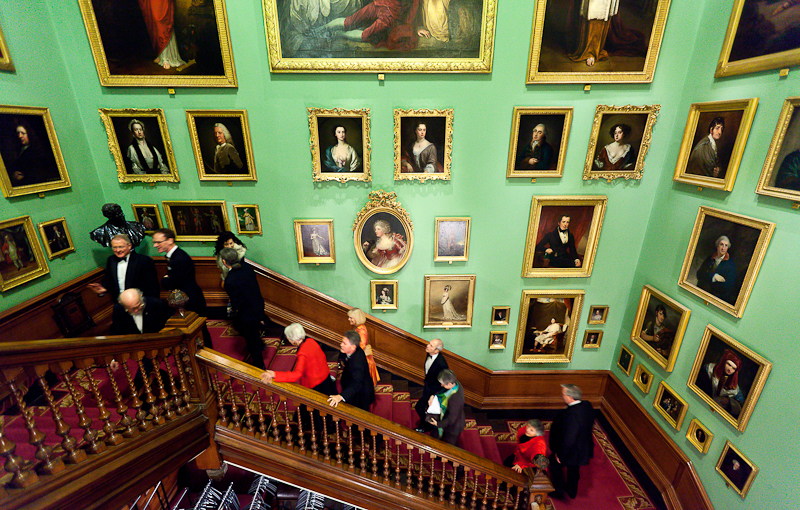
One of my favourite commissions of the year might was stock photography around Central London, for a commercial property developer. People, buildings, details - that sort of thing. I had a shot list to include certain locations and landmarks, but apart from this I was free to wander off track with vague and occasional detours, just looking for interesting photographs:

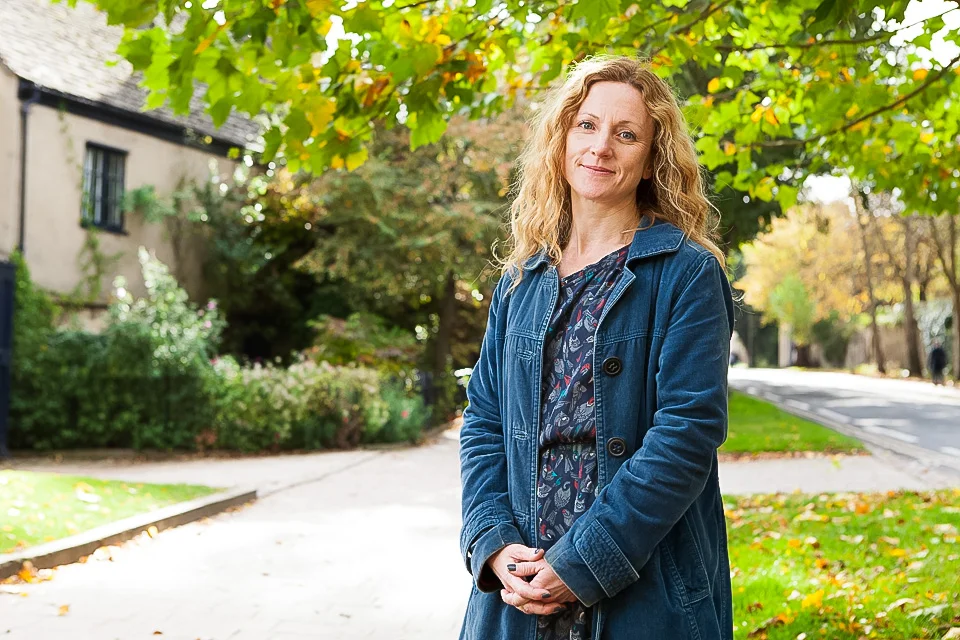
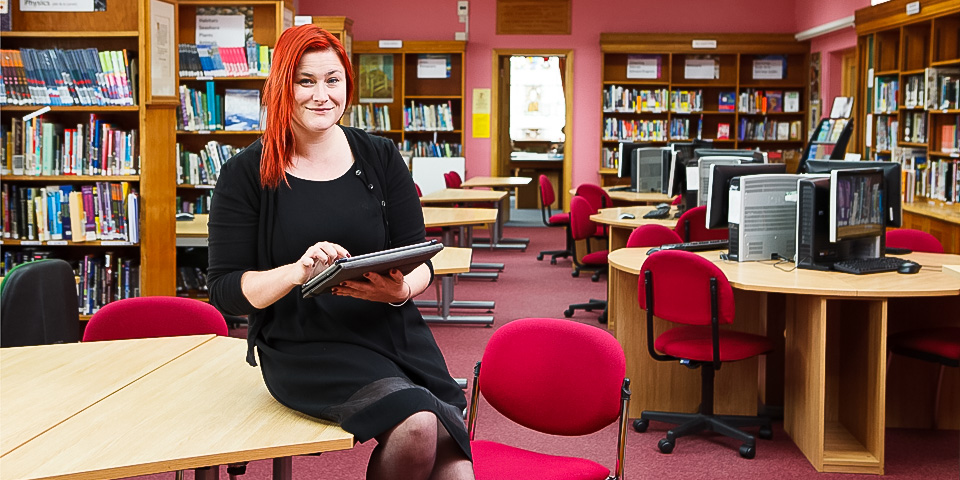
I love portraits, and was fortunate enough to spend a few days shooting case studies - lecturers and students, mainly - who use a Virtual Learning platform (Canvas). We filmed and photographed at a few locations including the University of Birmingham and Norway's University of Science and Technology, Trondheim:

2014blog_46.jpg

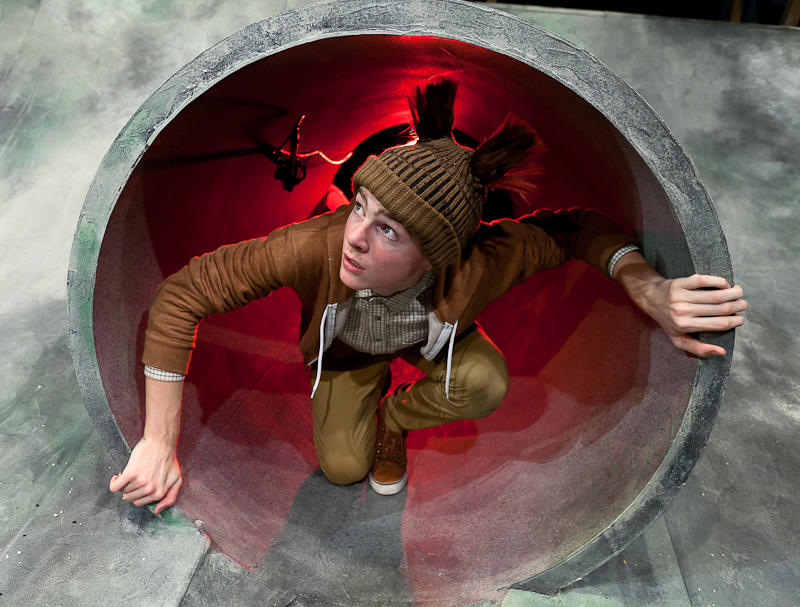
I did some portraits on the set of The Curious Incident of the Dog in the Night-Time with playwright Simon Stephens ahead of its opening on Broadway. Writer Mark Haddon (not shown) was also there. Despite the minimalist set and extremely short time allowed, it was one of those sessions where you leave heavy-hearted because you feel you missed the shot. Black walls, dotted lights, white cubes, mathematics lines - it's a great set you could do a lot with. Or not?

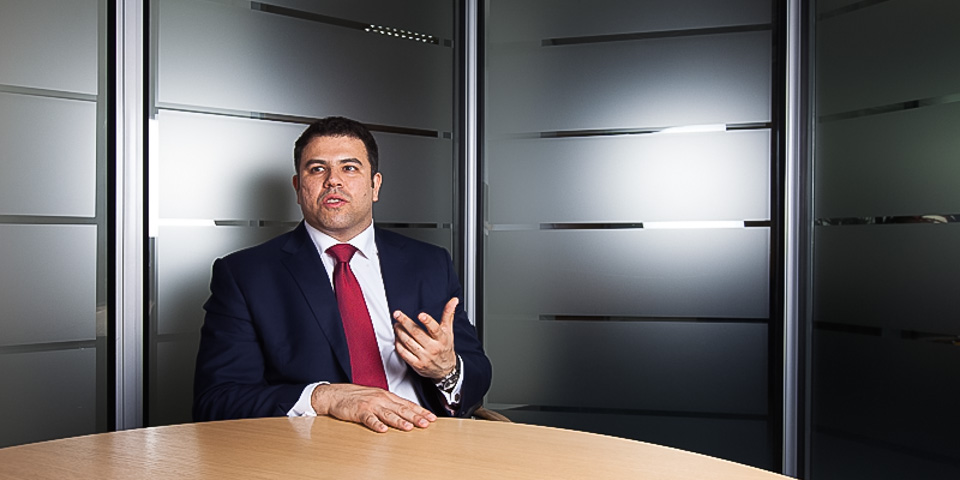
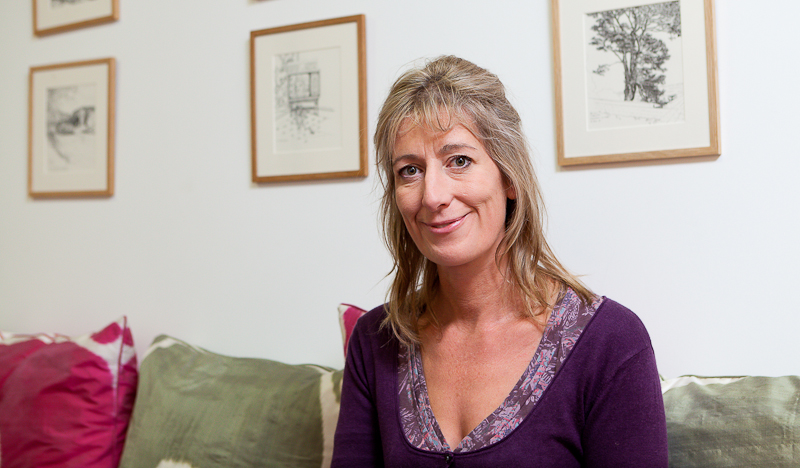
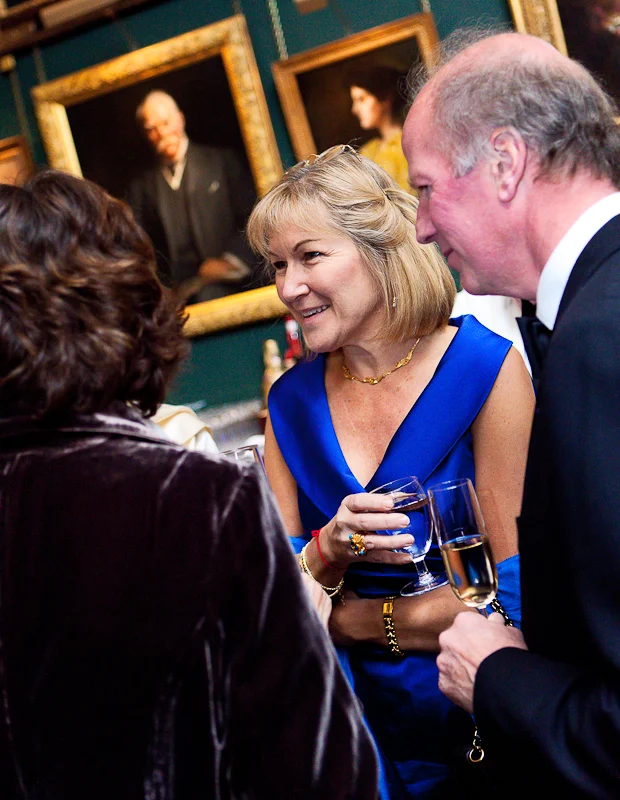
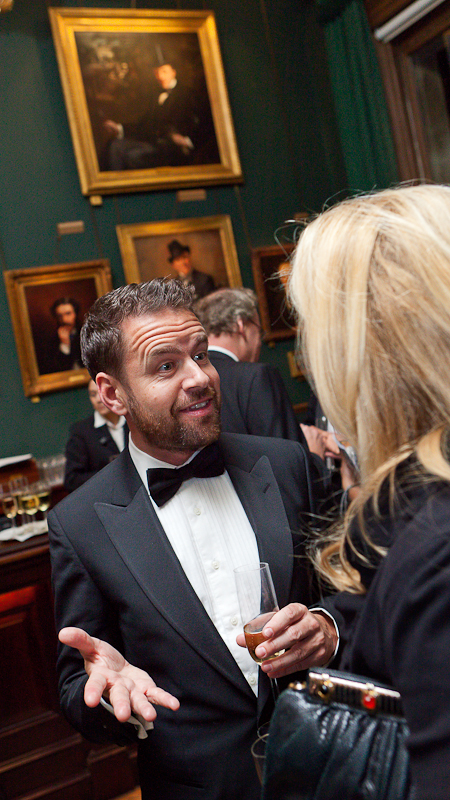
And there were some other case-study/interview portraits. Which are kind of corporate, actually. Sorry about that, I did promise no more:
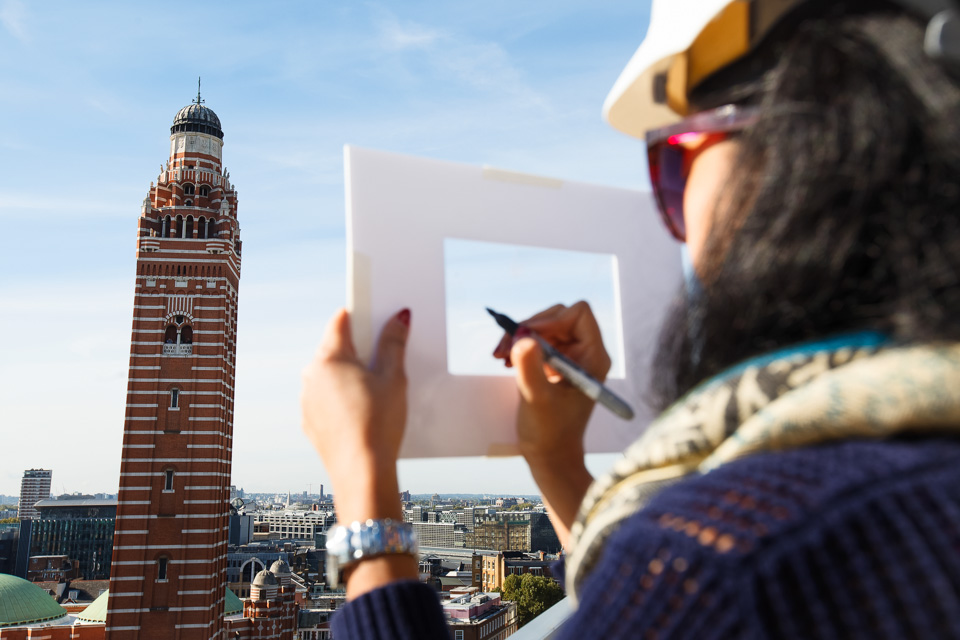
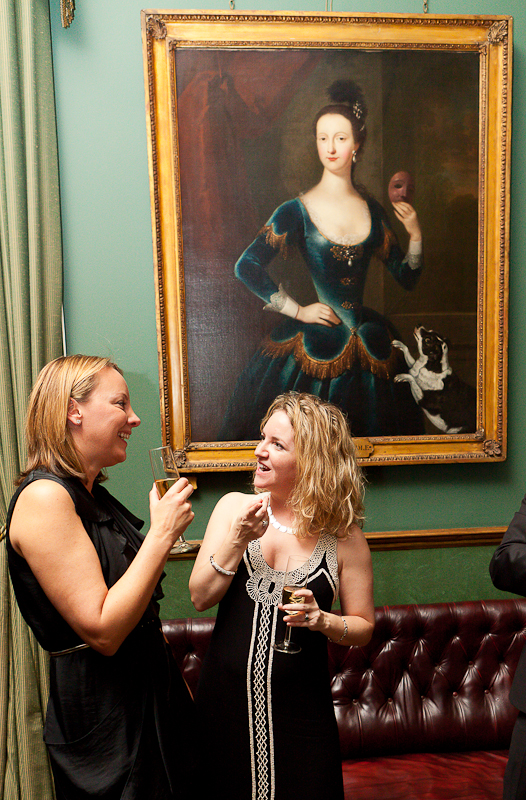
Create Victoria held four days of free events and workshops, including a DJ masterclass (rear-curtain flash - first time in years, and it shows!), an early-morning fitness session, a rooftop art class, a musical theatre lesson, and a textile upcycling workshop. It was hard work:

2014blog_56.jpg

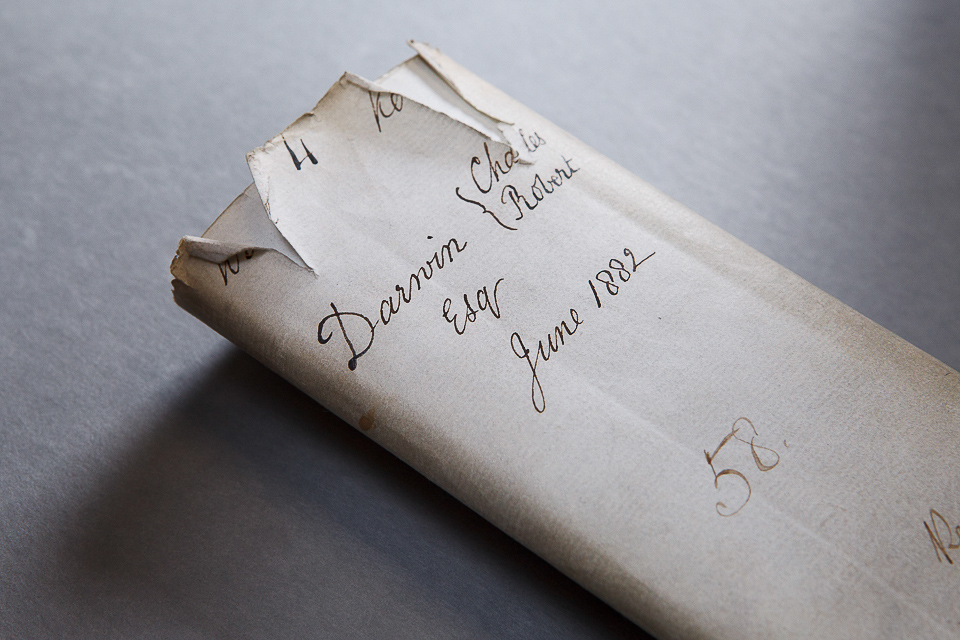
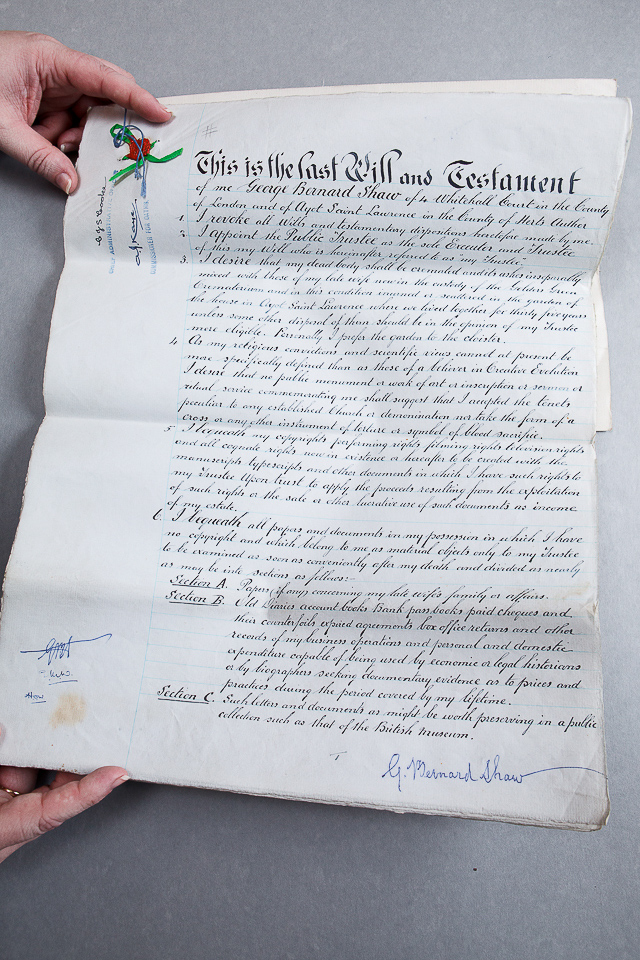
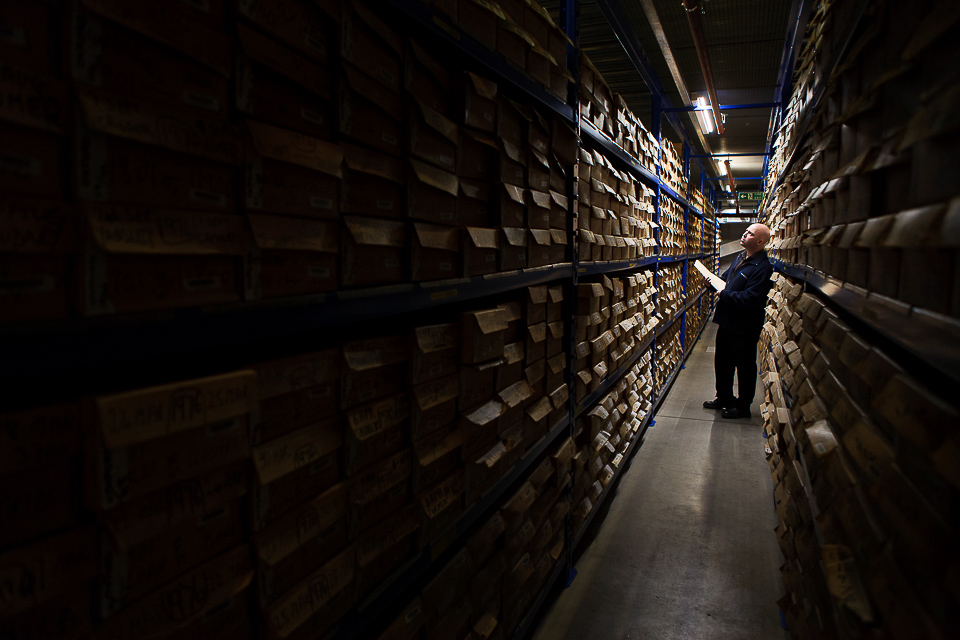
Sometimes you get great access - I visited a facility in Birmingham where millions of wills are stored. These are now available to search online, and I photographed some of the more famous ones, including those of Charlie Chaplin, Charles Darwin, Lady Diana, Michael Faraday, Dr. Crippen, J.R.R. Tolkein, Alan Turing, A.A. Milne, Beatrix Potter and George Orwell:
And I'll leave you with some images, again from a Mousetrap workshop, of an activity nobody seemed to understand, but was a lot of fun:

Read More
2014 Alex Rumford 2014 Alex Rumford

2013 in pictures

It's now well into January. I was too late getting to this, and made the mistake of looking at friends' 2013 roundups.

Their work, I decided, is far more interesting than mine, shooting as they do news, celebs, fashion, and war. I did a lot of corporate portraits.

The quality of the work I saw was outstanding, too. On the other hand, I only took two photographs this year I liked, and they've been on my website for six months so I didn't feel like publishing them again. 

So I decided not to post anything, and a fortnight later I think there's something very wrong with that attitude. So in no particular order, here's some of the work I did in 2013:


Blog201317.jpg
blog2013a03.jpg
Blog201322.jpg
Blog201301.jpg
Blog201309.jpg
Blog201326.jpg
blog2013a01.jpg
Blog201323.jpg
Blog201320.jpg
Blog201329.jpg
Blog201332.jpg
Blog201331.jpg
Blog201318.jpg
Blog201305.jpg
Blog201313.jpg
Blog201314.jpg
Blog201328.jpg
blog2013a02.jpg
Blog201336.jpg
Read More
2014 alex rumford 2014 alex rumford

It's not the camera

What happened to me recently is - apparently - a common problem amongst male photographers in their thirties. It was embarrassing and awkward. And it had never happened to me before, honestly.

What happened to me recently is - apparently - a common problem amongst male photographers in their thirties. It was embarrassing and awkward. And it had never happened to me before, honestly.

It occurred that a few weeks ago, the first time in my life: someone said to me, "Wow, nice pictures - you must have a nice camera!"

It's difficult to write my feelings about this without sounding arrogant and snotty. Especially since I do have a nice* camera, and a bit of a cold.

This article is only for those people who see nothing wrong with the compliment, and for photographers who've had their egos bruised by it. 

I take the picture. If it's good, I take the credit. If it's bad, it's someone's fault. Not mine, of course. But certainly not the camera's. The camera is a tool. Simple as that.

I wouldn't compliment a chef on the sharpness of her knives. I wouldn't bet on the outcome of a race based on the shoes worn by the athletes. Nor do shelves I put up have anything to do with the type of the hammer I use. So what does it matter if I use a Canon, a Nikon, or a camera phone?

And who cares, anyway?

A "good camera" often makes the job easier, sure. Yet let's make the distinction between photography as a job and as a hobby. So although I occasionally need something a bit more from the camera on a difficult job, the main thing is still knowing how to use the thing. Or even recognising what it is I need to do.

But it doesn't follow that a non-photographer (if such a person exists) would win awards but for lack of access to expensive gear.

It's more than this, though. The primary functions on a camera - shutter speed, aperture and ISO are all any of us use, 98% of the time. And every camera has these - even yours. Unless you really do have a rubbish camera (also known as an "Auto-Everything") which won't let you control exposure because it's dangerous.

What else? Think about all those amazing pictures by the greatest photographers that you see in galleries, on posters, in books. Especially the ones taken many years ago, which played a part (to a greater or lesser degree) in making a difference, perhaps making some change in law, informing or upsetting society, even helping to start a war, or bring it to an end. The grainy, black and white images which form part of our collective consciousness.

I'd bet any money that even my camera phone is better than what they used. Yet they produced great things with so little, because it's the photographer who takes (makes) the picture, not the camera. On the other hand, I have lots of pictures of my cats on my phone.

*Anyway, for anyone who's interested in my own camera, I use a Nokia (circa 2002 model). And I allow myself only one frame per shoot. A bit like Scaramanga.

Read More
2014 alex rumford 2014 alex rumford

2012 in pictures

It's been months since my last post. Instead of my usual ramblings, I wanted to show you a small selection of the things I've been working on this year. 

January

This is a portrait I shot of actress Louise Torres Ryan:

2012xmas blog_01.jpg

February

This photograph was from an event by the charity AgeUK, who held their "Internet Champion of the Year" award at the Royal Society:

2012xmas blog_02.jpg

March

Since I'm in the AgeUK folder, this one's from a conference of theirs a few weeks later, here with chair Diane Jeffrey speaking:

ARP080312_AgeUK AfLL_Small127.jpg

April

Coca-Cola unveiled their 'Beat Fleet', a handful of customised, branded vehicles which were to accompany the Olympic torch on its relay around the country. This particular one blasted out music - and was the natural choice for the (inevitable) group photo. The picture below it shows all the vehicles together:

2012xmas blog_03.jpg
ARP160412_Beat Fleet_Small27.jpg

Sticking with the red theme, there was the Lloyds "Money for Life" challenge which took place at Wembley:

2012xmas blog_04.jpg

May

The 'Beatbox' (Coca-Cola's pavilion at the Olympic stadium) featured dozens of huge electronic panels designed by architects Pernilla Ohrstedt and Asif Khan. Putting your hands near, over, or on the surface created differing symphonies of incredible rhythmic sounds taken from Olympic sports (table tennis balls bouncing, feet pounding, arrows hitting a target). Very cool. Here they are with one of the panels:

2012xmas blog_05.jpg

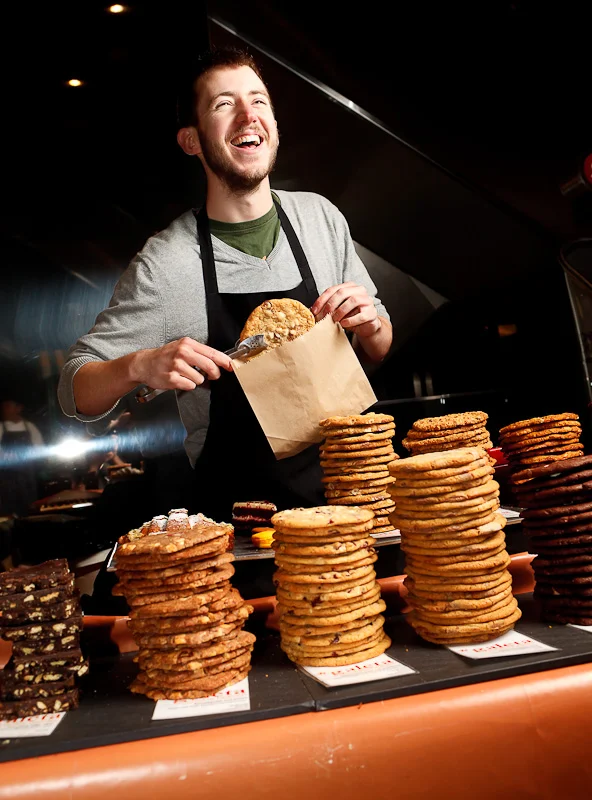
Then there was a monthly food market, which needed a few stock images to help boost its profile:
2012xmas blog_06.jpg
2012xmas blog_07.jpg

And then there was a PR shoot for Sainsbury's (and yes, they are tomatoes). And below that, DFS opened a flagship store on Tottenham Court Road.

2012xmas blog_08.jpg
2012xmas blog_09.jpg

June

Here's one from Coca-Cola again. I was sent to photograph their operations at the Olympic park:

2012xmas blog_12.jpg
2012xmas blog_13.jpg

And there were some corporate portraits for a new client:

2012xmas blog_15.jpg

July

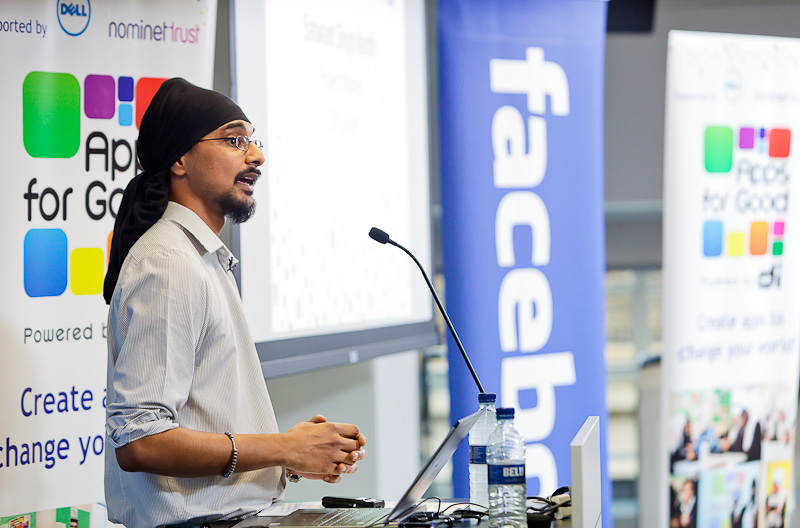
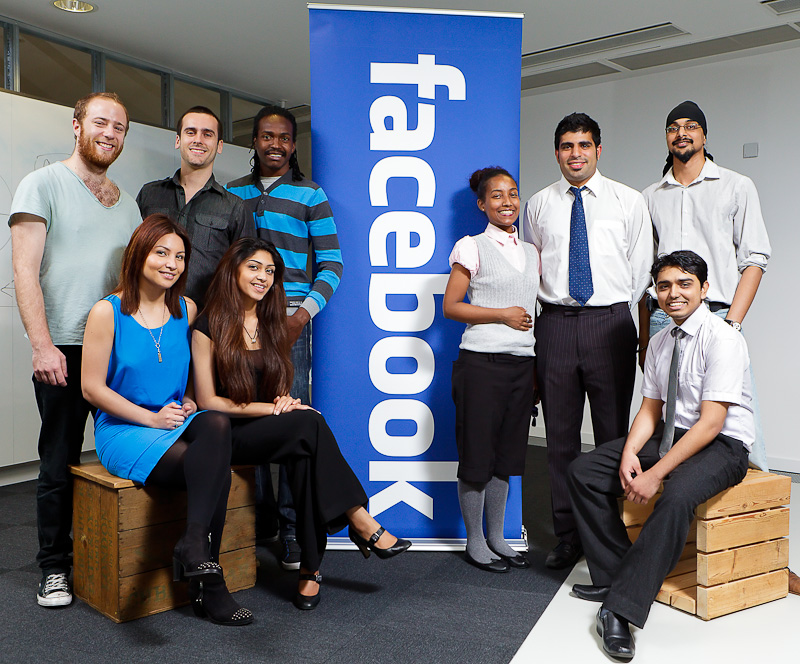
An event at Facebook's HQ in Covent Garden (I have since found it is impossible not to 'check-in' on a visit):
August

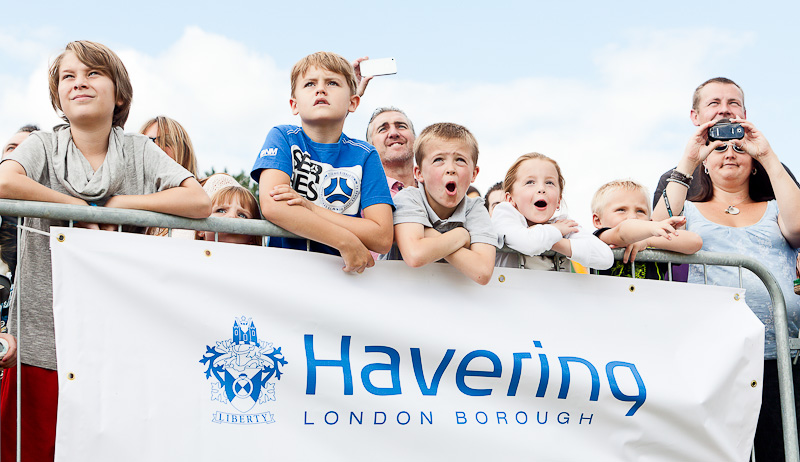
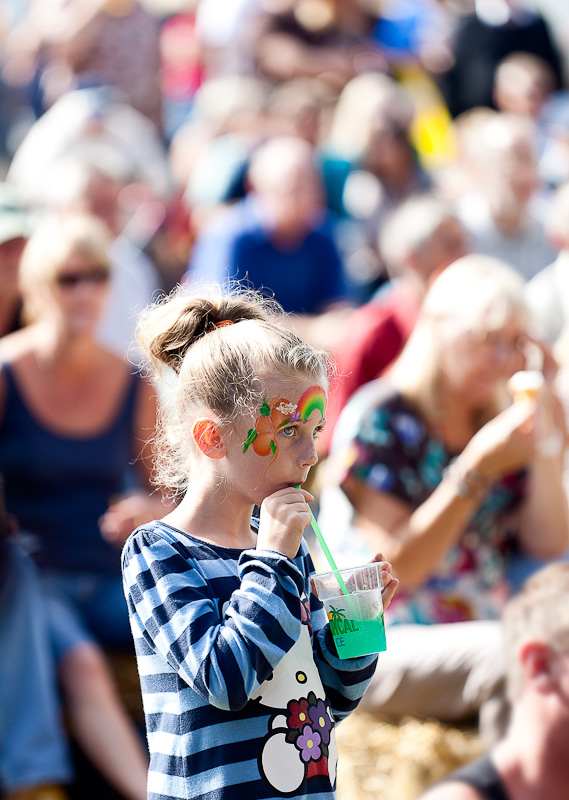
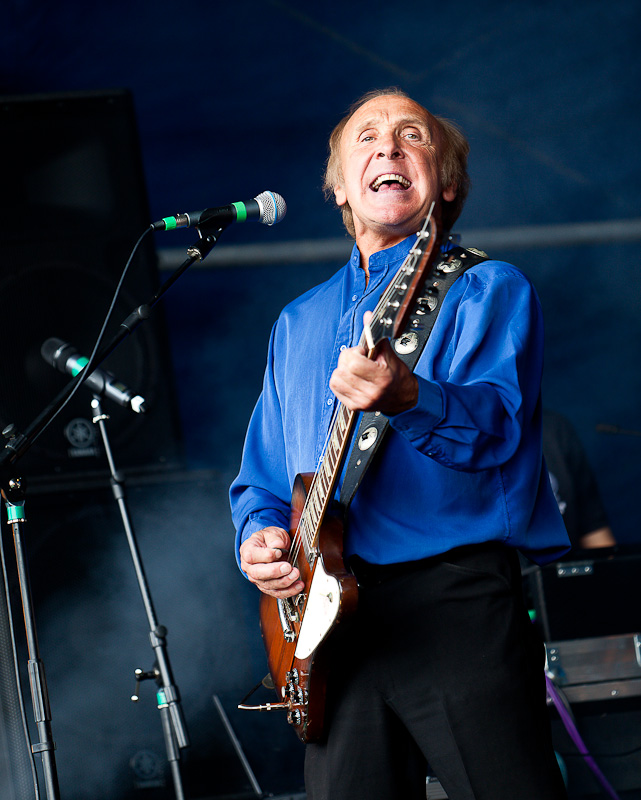
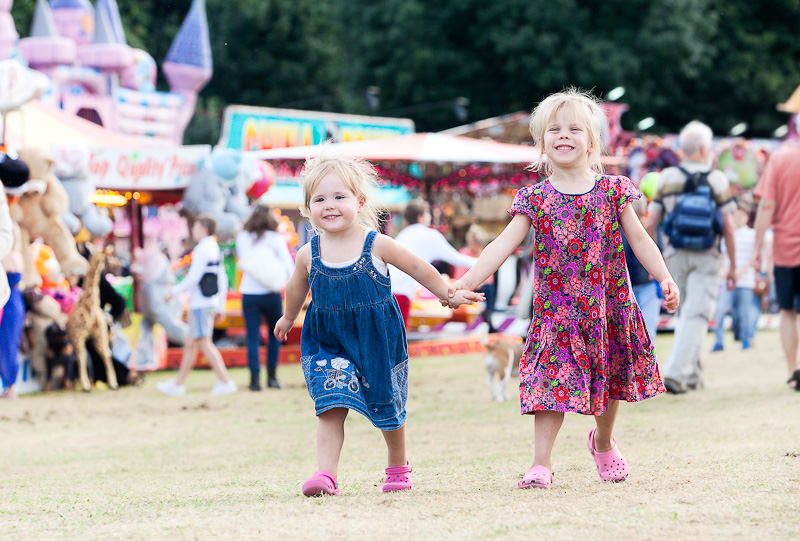
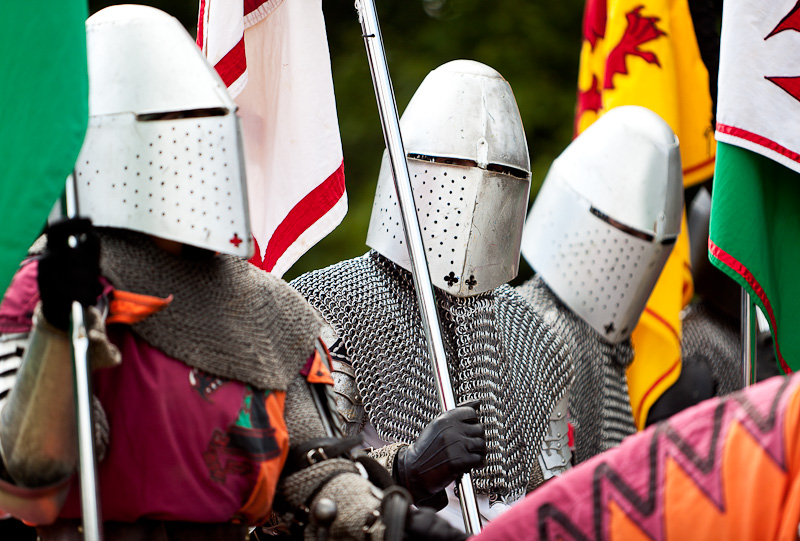
I covered the Havering show; here's a slideshow of a few photos from the day:
September

A product launch for Dell:

ARP12.09.19_DELL_Web10.jpg
ARP12.09.19_DELL_Web50.jpg
ARP12.09.19_DELL_Web56.jpg

And I did some portraits for the charity, Tomorrow's People:

ARP12.09.24_Tomorrow's People_Web09.jpg
2012xmas blog_33.jpg

October

It started off with the "World Cafe", a conference idea I'd not seen before. Although I've already shown work for AgeUK, I wanted to put this up this because it was different, being comprised of a series of intimate four-to-a-table, round-table discussions with attendees continually changing places. Kind of like intellectual speed-dating.

2012xmas blog_36.jpg
2012xmas blog_34.jpg
2012xmas blog_35.jpg

November

Some portraits of a pianist and her trio:

2012xmas blog_38.jpg
2012xmas blog_39.jpg

A photography exhibition and a launch party:

2012xmas blog_40.jpg
2012xmas blog_41.jpg
2012xmas blog_42.jpg

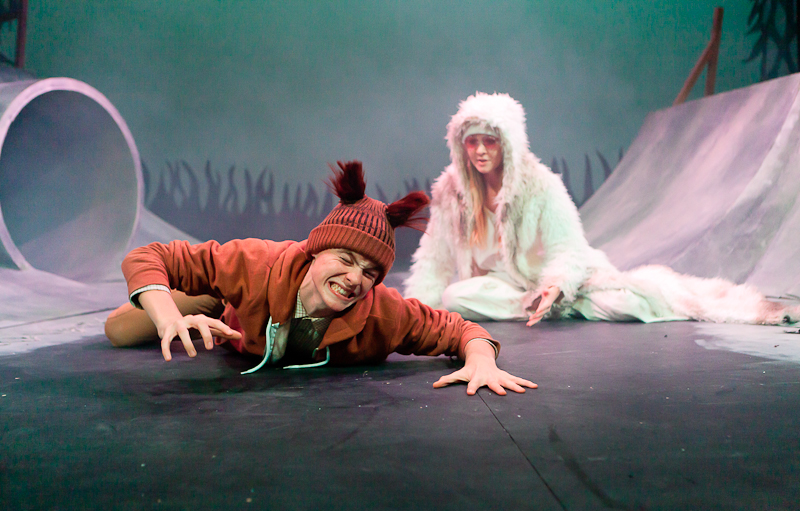
A youth production of Watership Down:
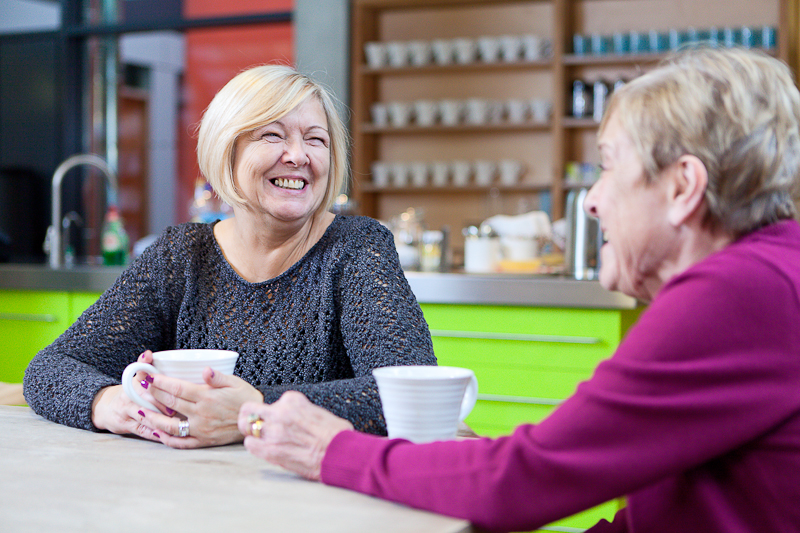
I photographed a day care centre and a few of the volunteers, patrons and associates:
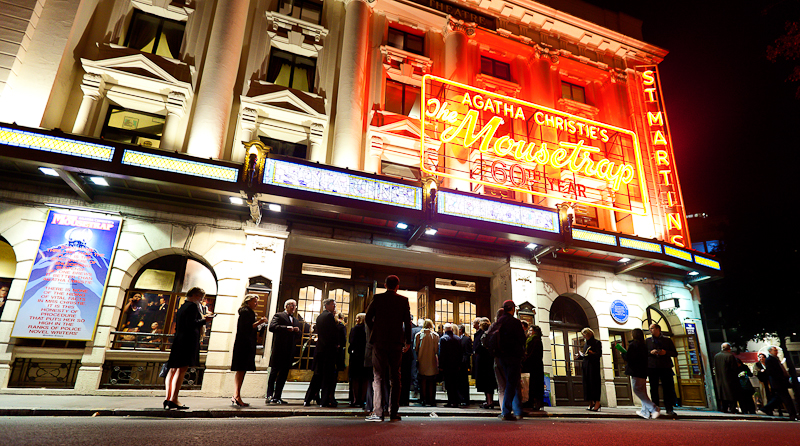
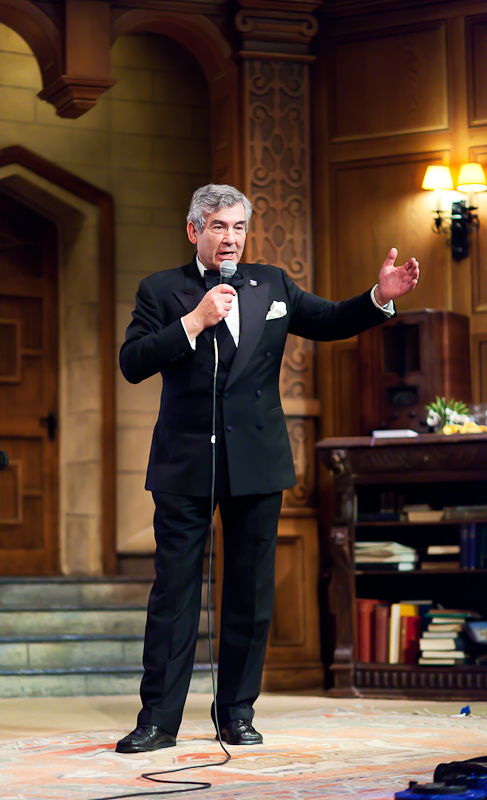
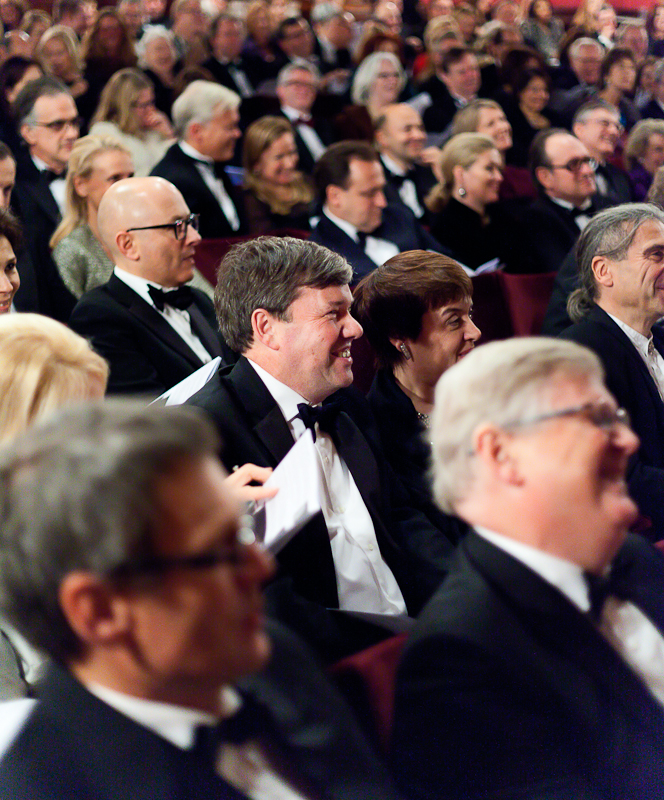
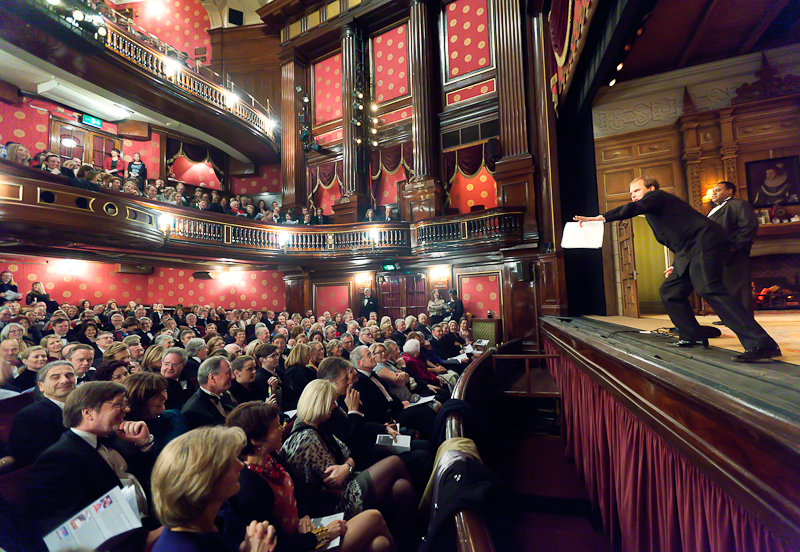
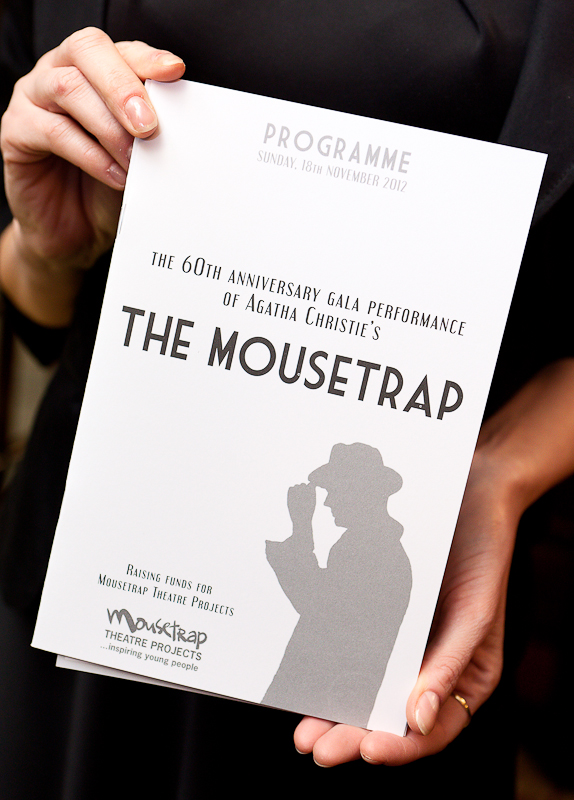
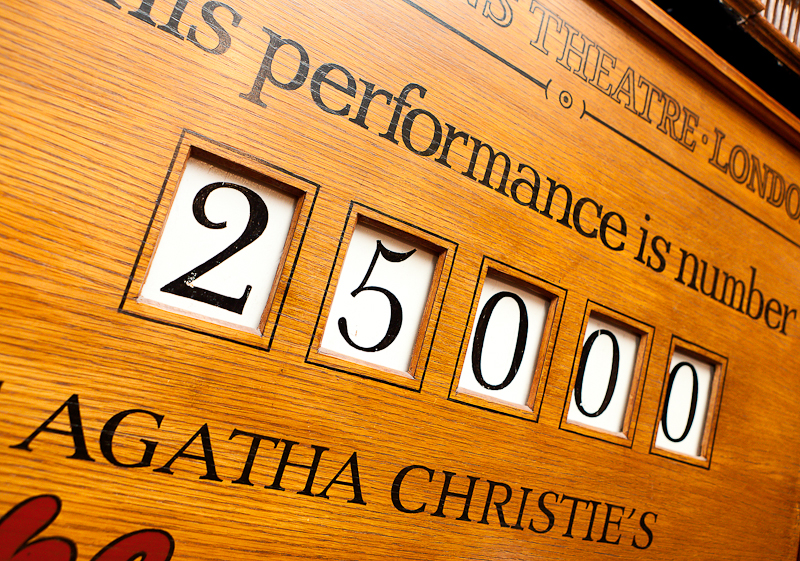
Lastly, The Mousetrap, the world's longest-running play, reached its 25,000th performance on its 60th anniversary. The mark the occasion, a one-off star-studded cast put on the show, all part of a fundraiser auction for the amazing Mousetrap Theatre Projects. The party continued at the Garrick club:
December

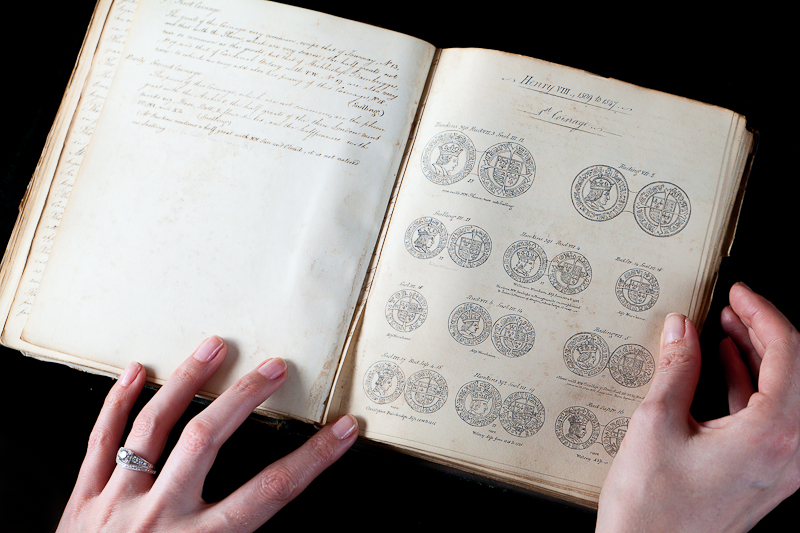
Just one I wanted to show for December - I had the delightful opportunity to spend a day photographing rare and valuable coins:

2012xmas blog_76.jpg
2012xmas blog_78.jpg

I very nearly forgot this last one from April - I gained a second photo assistant!

That's it from me! Have a great 2013 everyone.

Read More
2014 alex rumford 2014 alex rumford

What the job is - or, "Dealing with lemons"

"My job is not about taking pretty pictures - I wish that it were."


- so I wrote in my last article. Sure enough, the very next shoot had me being asked to get a portrait incorporating a specific background, a large, branded vehicle which could not be moved. Unfortunately, the combination of timing and the weather meant that this was (possibly) going to be impossible, or at least a pretty ugly picture. The harsh afternoon sun - such as it was and relative to the background - would be directed into the subject's eyes. At best, it would force a hard squint. At worst, it would destroy his retinas.

When I raised this small lighting issue, my client probably retorted that on nearly every job I claim the light is in the wrong place, or that there's not enough of it, or that it's just wrong, somehow. Then (I expect) they would have said something about me whingeing (but to be quite honest, I usually stop listening at this point).

Well, they were probably right. Not about the whingeing - no. But I do complain quite a bit about the light being wrong. As well as almost everything else.

The main idea is this - situations are sometimes unpredictable, the lighting often unsuitable, the location rarely ideal. You very often end up doing things that 'aren't photography' in order to adapt or change the situation. If it's something you might consider way out of your job description, it can be irritating.

However, that part of the job, as I've come to learn, IS the job.

Anyone can produce a decent picture given enough time and ideal lighting*. But the working photographer's job is to innovate, to be pliable and resourceful, adaptable. Pull things out of the hat. Foresee problems and resolve them. Change up at the last minute, and under pressure. Because the lighting is never right. And often, other things are wrong, too.

The thing to take away from this is very important, so I'll state it very clearly: loads of things appear to get in the way when shooting. I say 'appear' - but to think of them as distractions or nuisances is a *fundamental* error. I'll state it again - it's ALL part of the job. Photography might only be part of what we're doing. We're dealing with many other things first, in order to enable the photograph to be taken.

So, it's about going with the flow, thinking around the problem. Facilitating and adapting. Not getting caught up sulking - "This shouldn't be like this," or, "I was hoping for that", or, "The light is terrible". It it's a barrier, it gets in the way of the job. Therefore, dealing with this stuff IS the job.

On the other hand - happily - I would say that roughly half the time, shoots are fairly predictable, and everything's tickety-boo. The office space is the (dismal) location you expected it to be. Or, working outside, it doesn't end up tipping down with rain - despite those ominous black clouds. Or, doing portraits, you actually get to use (most of) the twenty minutes you were originally promised.

These shoots are fairly 'routine': things go roughly as hoped or expected, and the skills called upon are what I would consider central to being a photographer. These, then, are the good days. They allow you to just get on with the job, to practise, learn and improve. To expand your patter and find new ways to blag coffee, biscuits or pens. You can think about ideas, lighting, framing, illustrating the concept, telling the story, whatever. By and large, most things on these jobs are the same as the last time you did something similar somewhere else. You could even dare to go so far as to say you can actually plan these shoots**.

The other half, the ones we're talking about today, aren't so predictable - often regardless of planning. They contain these seeming obstacles, changes of schedule, extra hassles, crappy light, and apparent nuisances. And we've agreed to accept these and work through them. 
 
Sometimes, however, there are curveballs which really stretch things. People problems spring to mind first. I've had several people at a workshop who had asked not to be photographed (not even in the background), but who then took centre stage in most of the activities. Which made photography of pretty much anything else impossible.

I've had a client who insisted their logo be in shot - despite the logo being very small, and ankle-height. They became rather incensed when I explained how it wouldn't work very well (and it didn't).

Location problems are common. We're especially at the mercy of the weather in England. I was recently caught in torrential rain for a shoot about city workers enjoying summer barbecues.

And indoors, many public buildings have horrific lighting. Offices with nasty spotlights embedded into the ceiling. Dark corridors, small windows, and useless spaces.

I had a shoot in a (sort-of) theatre, and I remember the "stage lighting" only covered half the people on stage. The other half could barely be seen by the naked eye - let alone a camera.

Light, people and location issues are general and universal. I suppose the thing with it is that there are other curveballs and hazards peculiar to certain types of job. At conferences, for example, there's always that one speaker who never looks up. Which results in shots of a depressed person at a lectern talking to his navel.

At jobs where props are required, sod's law says they'll forget to bring them. I shot a pair of cricketers (for a story about cricket) who arrived wearing normal clothes, and without a single cricket-related object between them. I once also photographed some computer wizards - who'd each (wrongly) assumed the other was bringing a laptop. And so on.

So, back to the two points of the article. One was that the job is much more than just taking pictures, because much of the time things aren't as we hope or expect. The second point touches on what to do with the 'curveballs'; with those trickier, unpredictable, desperate and even broken situations.

In gambling parlance - dealing with the latter is about knowing when to stick or twist. Or if you're religious, the beginning of the Serenity prayer sums it up:

"God grant me the serenity to accept the things I cannot change; courage to change the things I can; and wisdom to know the difference."

But let's put it in terms of lemons.

Eating Lemons

Sometimes you can only do what you can do. You can't use lights, you can't influence proceedings, you can't change locations. You can't do anything other than take pictures. The important thing is to be aware of the limitations, and work out how you can mitigate their effect or work within them. Accept what there is and do the best you can with the choices which you are able to make (lens, position, composition). And convey this to the client without sounding like a whinger. So with the conference speaker who doesn't look up, it might be best just to go for a wide shot, including the surroundings. Then you're not making so important that he's looking down. I should just point out that there are a few near-certainties which save us in tough situations. You learn what these are with experience. Even someone at a lectern reading from a script will look up, even if only at the very end of their speech for a fraction of a second. It's all to do with the decisive moment, and knowing what's coming up.

Anyway, another curveball: I remember photographing a (very) amateur dramatic youth production with poor lighting, everything spread out across the stage, no props or costumes to speak of, and no real action or interaction. Very little to do. The only thing left to do was to use a long lens and 'pick out' individual actors and their expressions and actions. The picture below is from a dance show, and is a similar example of something reasonable from out of not much, in this case through using a wider view:

Another example: I did some portraits of a trainee on a building site. I had a space (arbitrarily selected for me, without my input) of about three square metres to work within. Seriously. And there were no props***. Low angles, different lenses and a little changing of position still enabled us to get a reasonable variety of reasonable pictures, because at least the background was relevant. Here are a few from the shoot:

Making Lemonade

As pointed out in my other articles, many (most?) situations have a tendency to lead us thinking down logical paths. Certain kinds of shots present themselves, as other ones become unworkable.
When our preferred or expected shots are ruled out entirely, on occasion we can take those difficulties and turn them into opportunities. The job of the photographer is to know what's possible, to come up with a plan B on the fly. It's a remarkable way to focus the mind.

The example above comes from a situation where the banner needed to be in shot. Let's just say I'm not a big fan of banners, unwieldy as they are. Although, to be fair, this is probably the best one I've used. But then that's what I expect from the amazing Booktrust. By putting the banner centre, and having the people interact with it, it's not so much 'shoehorned in', as it is an integral element of the photograph. Imagine what the picture would be without the banner: a potentially dull group picture.

 The example below had extremely hard sunlight causing problems. So we found a wall and turned the light to our advantage. It's a go-to shot which gets you out of a spot:

Swapping lemons for apples

With vision, it's sometimes possible to reject the situation entirely. This often applies to dire situations where we don't (appear to) have any input or control - and we then really push it. Part of this can be knowing when that is. It may be possible to interrupt, ask for something, go against what we're presented with, create something different - when we had previously been told (or had assumed) we couldn't do something or other, that we weren't permitted. This takes confidence. Of course, it may not be possible, in which case we're back to eating lemons...

A recent example was at an awards ceremony. I had been clearly instructed not to use lights for the performances between the speeches.

However, the lighting was awful. The background was awful. There were only a couple of (not very good) places for me to position myself. The performances - exciting as they were for an audience - would not work at all well (photographically) by themselves.

Well - I used my lights. And nobody stopped me. Nor was I reprimanded - it turned out that the client had just expected the lights to be much more of a nuisance than they were. They even said after that it had added to the sense of occasion. And the pictures were much better.

To be fair, this is quite an unusual example. More often is the situation where you have to use your position of expertise and overrule someone. To explain why something else entirely should be done, that's it worth the time or effort, that the current setup is no good. All the time, being aware that your client or subject may have strong feelings to the contrary, that someone might be at risk of losing face - and knowing that you have just one chance to prove yourself right. This is especially tricky where you are viewed as a 'snapper'.

So - to sum up: In these difficult circumstances the job is to know what is and isn't possible; what can and can't be changed; and to have the confidence to stick or to twist.

And what did I do with the picture with the bright afternoon sun which started this article off? I'd like to say I managed to rearrange everything quickly and smoothly, with clear vision and minimal fuss. Without offending anyone. But as it happened, a few small clouds had started to appear and pass overhead by the time we were to do this main photo. As there were several other shots to do, I got on with those first, quite happy to delay doing this main photo. I no doubt seemed to be stalling, but I simply wasn't confident we'd have a sufficiently large cloud for sufficiently long enough to cover us. I was, however, confident that the shot would be better than our other options - if we could get it. In other words, I didn't have a plan B and had nothing else up my sleeve.

And as it happened, we had a small window of opportunity, just enough time for about four frames with the sun behind a cloud, and I was happy enough with the shot, below. I suppose sometimes you just get lucky:

*What is ideal lighting? I suppose it depends what you're shooting. Remember that ideal can equate to safe - which can equate to boring.

**That may seem surprising - but in general I don't plan many types of shoots. I have a rough idea of what I might want to do, what the job might be, but so often it's more a starting point. Because as I keep saying, so many are different to what was promised or expected.

***While I think about it, if you haven't already, look at the articles I wrote on limitations.

****I appreciate the lemons analogy is starting to fail.

Read More
2014 alex rumford 2014 alex rumford

Your holiday photos aren't rubbish

Recently, a friend was a little embarrassed when showing me their holiday photos. They said, "They're not very good… they're just snaps" - and that was before I'd even seen them*.

People generally don't like to show me their holiday pictures.

Perhaps this is because they saw me shaking my head at the huge framed picture on their wall of their two-year old, just moments earlier. Or they caught me flicking rapidly through the pages of their coffee-table family album, muttering, "No, no, maybe, no, no, no, maybe, no, no, oh for the love of god no, no, no, maybe…"

I'm there as a friend who wants to see their holiday photos**, not interested the arty photographic concerns. But I'm also a photographer, and they might feel 'judged'. Fair enough. My sniggering and snorting don't help.

Seriously though - that there are different kinds of photograph, in the same way as there are different types of writing. You can have King Lear, and you can have a shopping list scribbled on an envelope. You can have e=mc², "ok c u l8r babes lol" on a phone, and you can have ramblings on my blog. It would be strange and irrelevant to try to compare any of these. Because my blog would win hands down (not really, but if you do like it, why not 'like' me on Facebook?)

There are different kinds of pictures. To try and judge them by the same criteria would be unfair.

Ok, so what?

It's to do purpose, style, motivation, context and method. Mainly, though, the background to the image. What is a photograph doing - why was it taken? Is it there to inform, inspire, or to move us? To persuade us to buy something? As a record? How was it taken? Was it created with thought, effort, or love? Is it complex? Or is it just a quick snap? What's the context, and how does this affect our reading of the picture?

So what, though?

Elsewhere, we looked at different photographic techniques and saw that this can enable us to (loosely) recognise and categorise images. It allows us to evaluate and compare them. Well, this article is a bit like that - but using different criteria.

Simply put, awareness of different contexts, functions, types and styles gives critical tools to unpick and examine photographs.

It's a very vague idea, with lots of overlap, inconsistencies and subdivisions. Here we go:

Pictures for purpose     <------------->      Pictures for pleasure

My job is not about taking pretty pictures - I wish that it were. To this extent, I suppose my job description would be to take the "best (or most suitable) picture I can in a given situation". Primarily, it's my job. Taking pretty pictures is most often between 20% and 80% of the job. Just recently, as part of a series of shots for a pamphlet, I had to take a photo of a sign on a wall. It's not going to win any awards. It's an extreme example of a "picture for purpose", at the very end of the scale***.

"Pictures for pleasure", then, are those we might do in our spare time, taken without a goal or brief, purely for their own sake.

By "pictures for purpose", I suppose I mean - at the furthest end of the scale - photographs (which would appear to be) devoid of artistic input. Purely descriptive, token efforts, easily replicated, filling a space.
Other examples in this category might include catalogue shots of children's toys, police mugshots of criminals, car adverts (especially classifieds), and newspaper insets of pot-holed roads which residents are complaining about. They're always seen in a particular context, and they're purposeful.

Children's toy catalogue photos and (upper-end) car adverts might not appear to fit well into this group. At the very least, they differ by a huge degree. They require a more professional setup, and are shot in the way that not only shows the product, but, in the case of car adverts, shows it appealingly, fully designed to make you want to buy it. Car adverts are shot with branding, image and concept in mind, often as part of a wider campaign marrying text, design and marketing strategies. So, quite a bit of skill and creativity. And often quite stunning imagery. While the kids' toy photography might not be as 'pretty' as a car, it's certainly more artistic, considered, professionally-produced and skilful than a police mugshot. And for all this, perhaps because of context, the most evocative of these examples might yet still be the mugshot: consider O.J. Simpson's controversial photos on the covers of Time and Newsweek.

So let's reframe our spectrum:

Descriptive     <------------->      Evocative

Posed pictures of people, smiling at camera, are often descriptive - they show who was at some event or party and that - at least for the photo - they looked like they had fun****. But they're not usually very emotive or exciting. On the other hand, evocative imagery would (in the party example) be candid shots of people drinking, laughing, chatting. At the extreme, we're looking at artsy, flash-blurry saturated images of people on the dancefloor. It makes you feel like you're there.

I would add that a very straight, descriptive picture can be extremely emotive (especially with some background); consider the portraits of genocide victims from Tuol Sleng in Cambodia.

Which brings us to the next scale:

Deadpan <------------->      Self-conscious

I would describe deadpan images as ones where I'm not aware of any artifice. They're very straight, undramatic, and descriptive. A passport photo is a good example. You see them a lot in documentary work, and modern styles of portraits (for example, the subject standing dead centre of the frame, unsmiling). They can be extremely powerful. Photographer and friend James Ball's work might be described as deadpan.

At the other endwe have "self-conscious" or "self-aware", which would, I guess, describe pictures which cannot be experienced in real life. As such, they draw attention to the photograph as a medium, the camera as a tool, the method as a technique. So, examples are things like the picture of the apple at the exact moment a bullet smashes through it. A dog's face up close, shot with a fisheye lens. Extremely narrow depths of field, and tilt-shift lenses. Less extreme examples might include underwater photographs, studio fashion photography (which might use lots of lights), or a 'silky' waterfall shot at 10 seconds. Or even the waterfall at 1/500*****. Things that are not readily visible or experienced.

The example of the apple and bullet leads us onto the planned/found spectrum:

Planned     <------------->      Found

This is, to me, quite a central one in seeing how photographers work differently. As for 'found' images (pictures you might 'come across' on your way to work), I'd just point out that nobody is entirely 'reactive'. Street photographers deliberately head out with their gear, hunting for opportunities. In autumn, parks are filled with keen photographers looking to find scenes which will correspond with their vision. So there is always a degree of forethought and planning. Nevertheless, that's the end of the scale, and later we'll explore this a little more in the snap response/considered approach range.

Planned photography, at the other end, makes me think of apples and bullets. Or at least, complex lighting setups, staged setups, cc'd emails, food stylists, assistants, fine details, professional models, location scouts and retouching. Very likely, this photography might have a commercial goal - again, we have pictures for purpose. But even if it's some grand personal artistic endeavour involving swimming pools and wind machines, there's a sense of a final purpose.

Much of my work is somewhere in the middle of this scale. I'm thinking of PR, commercial work, press releases and marketing materials. The planning involved in photographing a businessman, for instance, might only involve the company arranging a day and time for me to do the shoot. The brief, such as it is, might only say what the pictures are for. Arriving early, I'd scout about and have a few plans and ideas before starting. That might be it as far as planning goes. That suits my style - very often the ideas, locations and lighting are discovered or chanced upon. Some work doesn't suit fixed plans.

You also have theatre or dance photography, which I suppose are something like (the oxymoronic) 'orchestrated news'. And just as with news, knowledge of the subject (the play, director, dance company etc.) helps one predict or react, and so find more and better pictures. Planning, here, equates to experience and familiarity. We've talked about this more regarding the decisive moment in another article.

Dance is choreographed with precision, repeatable and predictable. Photographing it is somewhat reactive, and somewhat predictive (we may not have seen the performance but we might have an idea of what's coming, moment by moment). So, dance photography is a good example of something that neatly straddles our next scale:

Candid     <------------->      Posed

I suppose this one is a bit like planned/found, but applies well for portraits and 'news'. Candid shots are rarely entirely so - the mere presence of a camera will change the dynamic of any situation. Real news pictures, of course, can't be posed; candid equates to truthful.

People often complain about pictures being too posed. The thing is, truly candid pictures often don't work. You can have people doing the most brilliant thing, or the most cute child in front of you, but if the people are looking away, or if the kid's standing in front of a rubbish bin, it's just not going to work. As I've said many times, a photograph primarily needs to 'obey the rules'. How interesting the event, cute the child, awesome the sunset - they're all secondary.

So, my preferred style of picture when I'm working is the 'posed candid', and I regularly veer toward this style for my PR or event photography. It's basically taking natural(ish…) pictures in a situation, but orchestrating it when necessary to improve the picture. For example, you have kids doing an activity in a classroom at some workshop. I briefly interrupt and pause them, tweak the scene a little by tidying up the foreground, perhaps getting rid of one of the kids or bringing another one in. I might then ask them not to look down too much, or perhaps concentrate on staying with some part of the activity a little longer - and then let them get back to it, ignoring me again (if I haven't killed the moment entirely) as I take the pictures.

So the next one is along these lines - working towards getting the best picture based on wearing your photography hat, rather than being simply carried away with the situation itself:

Snap response     <------------->      Considered approach

This is entirely to do with working around the subject, and may be the difference between making a good or a bad photo. It may be impossible to tell afterwards looking at a picture, whether it was a simple reaction to a moment (a reaction which started and finished at the pressing of a button). Or whether it was the result of an hour's work, several setups and ideas and tea breaks. 

But how much work or time was taken doesn't matter a jot, in the end. But I'd suggest that many of the best photographs probably took time and effort****** - and many of the worst, didn't.

I would just add that a 'snap response' to something may be all that's required, or all that's possible. Sometime there isn't time or opportunity to try much else. It might even be the best approach - although not very often for the kind of work I do. In my work, it probably equates to laziness! Taking pictures for pleasure would move this idea into another scale: effort/laziness. But that's too simplistic and subjective. Instead, let's reframe it more broadly:

Personal vision     <------------->      Shared view

I've mentioned elsewhere in my blog how I find it strange (annoying?) that millions of tourists take identical photographs of famous landmarks. Everyone knows what Big Ben looks like - there are 292,840 results for it on Flickr at the time of writing. Snore. You don't need to see another photo of it. Besides - the picture you take at midday when you're passing it on your bus tour is frankly going to be a bit rubbish. Far better photographs - planned, considered, and taken with care, are easily accessible.

This mindless photography is the snap response. At best, it's a personal record. Fine. But since almost everyone's pictures of Big Ben are identically boring, why not at least try and do something different? Or just enjoy the moment instead, rather than experiencing it through an LCD.

I'm being unfair. This is the kind of holiday picture that serves a different purpose. It's not about being a good picture or a bad one - didn't I say that right at the beginning? Well, yes and no. I'll come to this later.

Anyway, this is at one end of the scale. To get back to the point: I use the term 'shared vision' to describe what's generally obvious, even to the most oblivious among us. We cannot fail to be impressed by the sight of certain things, no matter how often we see them. Stars on a clear night, a sunset, a deer in a park. Even Big Ben.

But to get something fresh and interesting from these, we need to have a personal vision. We need to analyse what it is that moves us, and find a way to capture that. As I've said in other articles, good photography is so often about showing new things, or old things in a new way.  Standing on a pavement by Big Ben at midday when we happen to be passing, setting the camera to "P" before holding it out in front of us - this won't result in anything worth looking at. I'm pretty sure of that. Don't ask me how. I'm under no illusions - you have to work pretty hard to get a 'new' picture of Big Ben.

And then on the other side of the scale, we have personal vision. At the extreme end, we have photos that simply cannot be taken by anyone but you. Actually, if we even put only a little bit of ourselves into what we do, it's impossible NOT to have a personal vision.

It might be a style - from always using B&W, to having a preferred lighting setup, to having a recognisable compositional style.

It can be a personal choice of subject - perhaps your fourth project in as many years documenting rural decline, or covering bodybuilding competitions around the country, or choosing to concentrate on portraits of musicians. Perhaps simply using photography as the medium for one's work as an artist.

Or it might be more to do with yourself and how you see the world.

This next one doesn't really fit with these, but it should have a quick mention:

Of the moment     <------------->      Timeless

Pretty obvious, really, and to do with context. A news photograph shows a moment in time. Primarily, it's descriptive. On the other hand, a picture of the inside of a kiwi fruit, on the other hand, is more generic and yet (perhaps) more artistic (because of the purpose of the image), concerned with shape, texture or colour, and has nothing do with time or place. Very different subjects, very different kinds of photograph.

Out of context, a news photo can be 'art'. For instance, portraits of musicians in performance, boxers in action, or political leaders holding forth. These famous people become heroes or inspiration, and become evocative bedroom-wall posters. Similarly, photos of important historical events might in time, begin to signify defiance, hope, chaos etc.

Our last category is about the holiday and family pictures which started this article:

Personal pictures     <------------->      Pictures for others

You are allowed to take rubbish photos of your kids/cat/hotel swimming pool. Nobody is going to judge you. What you can't do is photograph the same stuff from the same position as everyone else does. That's it. Ok?

As for me, I very rarely take any. I often don't even take my camera with me. Because either I'm doing Photos (capital P), or I'm not. Not in some grandiose way, just that if I'm doing Photos, I want/need to commit to that fully. I don't want to put my name to the 'snaps'. You think YOU get judged?

That's not to say I don't take pictures of my family - I do. But I try to get the best pictures I can. And so should you. I'll leave you with a selection of baby photos of my beautiful son:

* Actually, I do this to my clients. I apologise for my work first to soften the inevitable disappointment. Probably lots of photographers do it. Even if the client likes my work, I know they're somehow wrong and I feel ashamed to show it. I don't like any of my pictures, and many photographers I know feel the same about theirs. It's really weird.

**I can't lie. In fact, I don't want to see them, and if they were a true friend they wouldn't offer to show me. I only like to look at three kinds of photos, and in equal amounts. The first is the kind that are amazing, and make me want to quit photography. The second is the kind that are amazing, and make me want to do better. The third is the kind that blows me away, moves me, or makes me think.


* Actually, I do this to my clients. I apologise for my work first to soften the inevitable disappointment. Probably lots of photographers do it. Even if the client likes my work, I know they're somehow wrong and I feel ashamed to show it. I don't like any of my pictures, and many photographers I know feel the same about theirs. It's really weird.

**I can't lie. In fact, I don't want to see them, and if they were a true friend they wouldn't offer to show me. I only like to look at three kinds of photos, and in equal amounts. The first is the kind that are amazing, and make me want to quit photography. The second is the kind that are amazing, and make me want to do better. The third is the kind that moves me, or makes me think.

*** The goal of the professional, even (especially?) on the most mundane jobs, is still to get the "best (or most suitable) picture in a given situation", or, rather, not to get it wrong. There's still a right way and a wrong way to do it. I remember one of my earliest jobs for the newspaper was to take a picture of a book cover. I was sent back to do it twice. The point is that even at the (apparently) least artistic end of the scale, effort and skill are necessary.

****A friend has an issue with people always smiling for group photos. He sees these pictures and gets annoyed at their inauthenticity. He usually says something like, "I was there that night. It wasn't like that, everyone laughing and smiling at camera. The photo makes it look great, but, in truth, it was an average evening until those two had an argument and everyone went home."

***** This is an irrelevant but interesting point. You could argue that much of what we see in photographs merely approximates how we see the world, that it's not a truthful rendition at all. Looking at a waterfall, I don't see individual droplets of water, neither do I see a silky torrent. In the same way, I've never seen a blurry car drive past me, yet nor have I seen one 'frozen' at 100 mph.

****** That effort may, of course, have been through years of experience and study. I'm not suggesting that the same sweat and tears go into every photo.

Read More
2014 alex rumford 2014 alex rumford

Showing the world differently

The more I think about it, the more I'm coming to the conclusion that a large part of what photography should be about is...

The more I think about it, the more I'm coming to the conclusion that a large part of what photography should be about is... showing things differently. I agree - it's hardly a pearl of knowledge - but don't take it as a vague and general observation. Apply it as an idea to your working mindset. Its reasoning explains why we should 'work around the subject', but approaches the idea on different principles, and in a different way.

I remember showing some of my work in Nepal to my friend, who is a well-regarded Nepali photographer. Pictures of monks and monkeys, temples at dawn, beggars and pot-smoking Sadhus. And, after skimming through my pictures (far too quickly for my liking!), his expression clearly said,

"So?"

I admit to being hurt. To me, my pictures were fresh, they were foreign, and exotic. But not to my friend. Why? Well, it was the equivalent of him showing me a London bus crossing Tower Bridge, which would probably have elicited a shrug from me. Because we've seen it before*.

So while the idea of 'showing the world differently' can easily be misinterpreted - rephrased to 'showing a different world' - it proves the point.**

If something seems new, even the least photo-minded among us cannot help but to take notice, and we take a few pictures. We feel there is something original there, and we will also feel our work deserves credit - even if it's just a snap. We think the subject of the photo is powerful/new/impressive enough to trump other photographic considerations.

But most of the time, it isn't. If those pictures don't 'follow the rules' of good photography, the only reason they're showing the world differently is that they're in a different part of the world. That's all.

So when a friend returns from holiday, you're looking through their pictures and you see some landmark you recognise. If you've actually been to that place, perhaps you've stood on the same point where everyone stands to get the same picture! At this point you'll realise it's not such a good picture after all***.

So. Landmarks and foreign countries. Their freshness gone in this world where everyone has a camera, where the internet contains so many thousands of images of each one, shot from every angle, at all times of day, throughout the seasons. Oh dear. And yet, we see wonderful photographs of well-known places all the time. How? Because they're presented in a new way.

How can you show something differently? Let's stick with the landmarks/tourist theme for a moment. The one time I do take pictures of landmarks is when my family or friends are in front of it. I can relax knowing I'm not expecting to achieve art. I just take the picture as a record of being there. But still, I try to make my family snaps a little different. I still look to consider the background as a photographic subject, rather than as a tourist destination. I still try to get close, fill the frame, work around the subject, consider the composition and lighting etc. Yes, it is still a snap - but one which pays attention to the photographic process. And that's the difference. My different process leads to different pictures. I have avoided the following, familiar scene:

The dad (traditionally the family photographer) stands as distant as possible away from the building. He then goes back further still. His family, now already far from him, are told to move yet further away. Dad then leans backwards, locks his arms straight, camera horizontal (holding it as if it might bite him). The flash fires (although it will probably achieve nothing here), and the shot is timed just before/after impatient passers-by have been permitted to go through this sacred, invisible, photographic umbilical cord betwixt father and family which takes up the thoroughfare. The picture will just about contain the family, who appear tiny in the frame, very central, rather bored. It will also include anyone or anything else who happened to be in view at the time - usually the backs of the (slower) lazily half-ducking passers-by leaving on one side, and the uncertainly waiting ones on the other (who are always looking fixedly at the camera, a little like the evil spirit in "The Grudge"). There will be lots of pavement at the bottom of the shot, and despite dad's valiant efforts, the top of the building will be cut off after all. Brilliant.

How do we experience the world?

Very roughly, most of what most of us experience as we go about our lives each day exists at our own standard eye-level, a few feet away, between the hours of 9am and 7pm. Crucially, yet most obvious, our view (approx 50mm) encompasses all that's in front of us****. So, yes, it is hard to see things in a different way when our experience is so consistent, repetitive, and frequently uninspiring.

With that in mind, many pictures taken within these general limits merely replicate what we are seeing all the time. They tend not to show the world differently. And so they're unlikely to make good pictures.

It follows that to improve our pictures, we have to put the work in. We need to do what others aren't doing. Get up earlier, when the light is different, at a time when most people don't see the world, when there is nobody around. Or we get out there in the rain, when others are warm and dry at home, to catch a landscape as the storm clouds finally break above it. Or we brave cold winds and get down to the seafront and get the waves smashing against the pier.

Or we crouch down, or get up higher. We perhaps get closer. We need to put ourselves in places and situations where we would not usually be. We need to take risks, be bold. When everyone is taking pictures of one thing, we need to turn around, to take the picture they will miss. We need to break away from the everyday, always considering "What if I did this? How would that look? What if I changed my camera settings? How could this look? What if I stood there? What if I used this lens? What if? What if?"

The best example I can think of comes back to landmarks once again. The only time I might consider taking a picture of the Eiffel Tower, say, is perhaps during the World Cup final, when I imagine the vicinity would be spookily quiet (unless they have big screens set up there?). A wide-angle shot showing the structure all on its own in broad daylight - no tourists, nobody around. That would show it differently. Then the strength of the subject would trump all other considerations.

What I'm emphasising is what I keep coming back to in these articles: that to show the world differently we need to put ourselves in a photographic mindset, from the family snaps to the pictures we may take for our photo-competition entries.

On a practical level, trying to show the world differently will usually involve working around the subject.

Because a single, eye-level picture from where we happen to be standing will rarely yield anything good. As I've said before, this first picture is merely the beginning of the process. We then need to get more involved: and we will get more out.


* I remember as a child reading National Geographic one day, and saw these amazing pictures of people with foot-long metal coils around their necks, and plates in their earlobes. Now, similar pictures are all over the internet, easily accessible and not so interesting. But in the same way, I'm sure the subjects of those pictures would likely be blown away if they saw pictures of Morris Men.


**This is why we're all inspired to take pictures on our holidays abroad, but seldom in our home towns. Even when our home town may be a world destination for foreign tourists and their cameras, a seemingly rich resource of photographic possibility. It holds no interest to many of us, because it's everyday. I read an interview with David Bailey (?) where he said that whenever he arrives somewhere, he starts shooting from the moment he leaves the plane, because after a few days it becomes familiar. It's very hard to 'see' when we see the same things all the time. As an aside, stock website Alamy (usually decent images) contained 11, 513 images for the keywords "Tower Bridge" at the time of writing. Flickr had 167,977.


***I never bother taking any pictures of famous landmarks now. If I wanted to get a good picture, I'd buy a postcard. What is the chance that my holiday picture, taken as I pass the Eiffel Tower might be better than that of the photographer who lives there, knows the area and has spent hours - many days, even - trying again and again to get it just right? The statistical probability of this is something like zero point nothing.

**** I gather that the size of the area in front of our eyes which gets our complete attention is only about the size of our thumbnail, held at arm's length: we cannot but filter out much of everything else.

Read More
2014 alex rumford 2014 alex rumford

Seeing pictures (2) - Creativity within limitations

Since the last article, I have been thinking a great deal about how to attune oneself in order to better see pictures...

Since the last article, I have been thinking a great deal about how to attune oneself in order to better see pictures, to get into the mindset of really seeing what is in front of our our eyes - without the mental filters we apply. Two things come to mind. The first is by being aware of, and imposing, limitations. The second is by not looking. This second point I will come to another day.

Limitations

I am at my most creative when there are limitations. The more choices there are, the harder it can be to make decisions and be productive. Conversely, the more limitations, the freer I am to concentrate on the photograph; to see. 

Let's consider a commissioned portrait. I should first mention that there's already a lot to think about in order to convey an aspect of someone's personality - a rapport needs to be built with the subject, a mood created. Aside from this, there are technical and practical issues: time, location, choice of lens, lighting etc. 

And as for these considerations, there is an almost infinite number of options as to what kind of picture we will make. And every moment spent considering, weighing up the options, is time away from our subject, and time away from looking for the best pictures. So it is this choice which we can limit. The important thing is not which option to choose, but that a choice is made.

Once the choice is made, then - in theory - the camera becomes an incidental tool, and the location merely a place where you happen to be. With a 50mm lens and natural light, there is only so much we can do, so we work with what we have. With a longer lens and working outside, we have another, different set of pictures we can produce. Not (necessarily) better or worse, just different. Once these practical aspects are dealt with, we can really concentrate on seeing. Seeing - in this example - is used in its wider sense of being aware of possibilities, open to ideas.

How experience helps

With experience, we drop ideas which have not worked for us before. It is a little like a game of chess, where each new turn permits many possible moves. For the experienced player, however, many of these are rejected immediately as bad ideas; the choice is reduced. Similarly, the experienced photographer will not go down certain routes. Borrowing ideas, or using our own experience, allows us to start several steps ahead, and so the path is simplified. Again, this is like a chess player, who will know all of the major openings to a depth of several moves. He does not need to process the information; there is no 'problem-solving' in these early stages.

Experience helps us to become more aware of the limitations imposed naturally. Choices are already made for us in so many situations. Sometimes, it's simply too cluttered indoors, so we go outside. Or we go for a long lens and opt for a 'tighter' picture to solve this problem. Or perhaps, going outside, we find ourselves in bright sunlight, and so we are forced to head for the gentle shade of the trees. In other circumstances we only have a very short time, so we have to keep it simple. Again, the more practice we have, the more aware we are of limits, and opportunities, when they appear.

Imposing limitations

Still left with too much to think about? Too many options? Trying to see everything, but not seeing anything? The it's just a question of practice, of exercise. So choose an idea, a background, a theme, a time-limit, a lens etc. Even a combination of these. But keep it simple and go with what you know. 

The point is not to get stunning pictures, but to stop and consider an object or theme, and really focus on it as a photographic subject. It will help reveal the opportunities and possibilities, and break down our assumptions, make us aware of the filters we apply. In some ways, the more mundane the subject is, the better.

It's another limitation, after all.

Read More
2014 alex rumford 2014 alex rumford

Seeing pictures

Back to basics

I think the most important thing to learn in photography is the most basic. It is the ability to see - to see things as they really are, or as they could be.

So often, we filter out the information before us. We see a pretty tree - but ignore the lamp-posts and ugly tower blocks surrounding it. We watch a raindrop running down a window pane - but block out the dull scene behind it. What we think we are seeing is really a distortion, often because we have decided what to see beforehand. A camera cannot distort the truth in this way. So we need to focus on what is really there. And, to me, it is one of the hardest skills.

What shape is a coffee cup?

We already have a distorted view of the world around us. We think of buildings as rectangular, the rims of coffee cups as circular, roads as straight lines. But if we actually look, we will see that a cup's rim is only circular when we are directly above it - not very often. All the rest of the time, it is an ellipse. To this day, I have never seen a rectangular building. They are usually experienced as trapeziums. And as we sit in a car, our own experience of viewing a road is not as a line, but almost always as a trapezium or triangle.

​

Our perspective changes our perceived shape of things - but we don't really take notice. Only when we look at a picture do we appreciate the difference between the geometry in our minds, and that which we experience (I must just add for anyone interested that the only shape that is always consistent, regardless of anything, is a sphere).

So much for shapes. Let's consider sunsets. I used to work for a newspaper, and readers would regularly send in pictures which they hoped would be published on the letters page. Often, these would be of fantastic sunsets, but all too frequently the photo would not do it justice. Lamp-posts, cars and trees would clutter the view. The clouds and setting sun would be dissected with telephone wires. The photographers had ignored what was in front of their eyes, in favour of seeing a pretty sunset. They had filtered out the rubbish. But no matter how interesting a subject, the 'rules' still have to be followed. And apart from these 'rules' of composition or framing, the first rule is that the camera can only show what is there, and is indifferent to what it sees.

It is hard to see the world as it really is. Often I am unable to visualise or imagine - see - what I'm actually looking at. No matter how much I squint, concentrate, mentally create a frame, I can't process the information. In these situations, I have to take a picture first, to see how it looks on the back of my camera. Only then do I get it. But this is for things right in front of me! What about seeing things that are so hidden, that - to most of us - aren't even there?

The art of seeing

Two masters in this art of seeing who spring to mind are Nils Jorgensen (www.nilsjorgensen.com) and Magnum photographer Martin Parr (www.martinparr.com). Good photography is frequently about showing the same things in a fresh way, and this requires really noticing and paying attention to what is around us. It involves real presence. Look at Nils' website and see how often you catch yourself nodding and saying, "Nice..." Go and buy some of Martin Parr's books. The greatest photographers (artists?) are not only seeing in photographic terms (shapes, lines etc.), but in terms of visual puns, cultural nuances, pointed comparisons of entirely unrelated things. It's awareness and presence on a whole new level.

 Abstracts are a good example of a photographer seeing. They often involve taking an everyday object or scene, and emphasising an aspect to present it as something at first unreal or unrecognisable. It involves seeing with a further sense of imagination or exploration - a "what if?" - which gives us a fresh view. Silhouettes, close-ups, wayward cropping and composition are typically used to create abstractions.

Learning to see

Happily, there are tried and tested methods which photographers rely on. Similar kinds of pictures come up frequently which use the same ideas and techniques again and again - because they work. Look at newspapers, film posters, magazines, and you'll see a variety of interchangeable, overlapping and mixed elements which are combined to create images with impact. 

I am convinced it is not always possible to get something really good from every situation, merely one can work to find the best that the situation offers. The real trick is knowing when a situation contains potential for something really good, and when it doesn't. Hence it is wise to have a few of these 'fallback' ideas to hand as a starting point. For most of us, the best way to learn is to borrow ideas from others. We then try out things for ourselves, and discover if we can 'see' something else.

I would finally add that often the most seemingly interesting thing simply will not work as a photograph, no matter what: there is nothing more to see. And other times the most apparently mundane situation can yield something extraordinary; there is real potential, if only we can find it. It is all about what works photographically. We need to be working always to see things in these artistic terms, then, and not through a filter of our own preconceptions.

Read More