

Freelance life and other animals
My background in press photography, and my life as a freelance
This post is a rambling set of tangents roughly based around what it means to be a freelancer: how I got here from starting out in press, and aspects of being self-employed that I’d never have considered. There’s an exciting part where I nearly get beaten up, and some comments about the death of news photography. There are thoughts about personal development and being one’s own boss. There’s a sad bit where I explain why I don’t go to Christmas parties. And some other thoughts. That’s it. No animals were involved, so apologies for the clickbait. Also, all the photos are very old. I umm’d and err’d about posting them (because, you know, brand) but which I decided to go ahead because in each caption I remind you that they’re old.
Background: I’ve been freelance for about 15 years, but I started out at the Derby Evening Telegraph as a trainee, part-way through my NCTJ qualification in Sheffield. We had seven full-time photographers and three people running things from the picture desk, as well as a few occasional freelancers. There was also a sports department, a features department, advertising, news desk, property, subs, motoring, and others. The newspaper was in its very own building with a car park, a printing press and a restaurant. This was when regional press photography was a skilled*, qualified profession.
Not now.
For a start, the job at a regional / local level no longer exists (I understand the DET staff is comprised of just three reporters, who work from home. If I’m mistaken, please correct me in the comments. Which I’ve turned off).
Press photography was about problem-solving under pressure, across a wide variety of subjects: hard news, sport, portraiture and events, all on deadline. From a house fire to an Ofsted report, a court snatch to a fashion show, a charity fundraising appeal to a murder, all in a day. The press photographer’s job was working out how to best to answer the question, “What’s the story?” in an engaging way. Now, I expect it would be rather closer to Lenny’s portrayal in After Life.
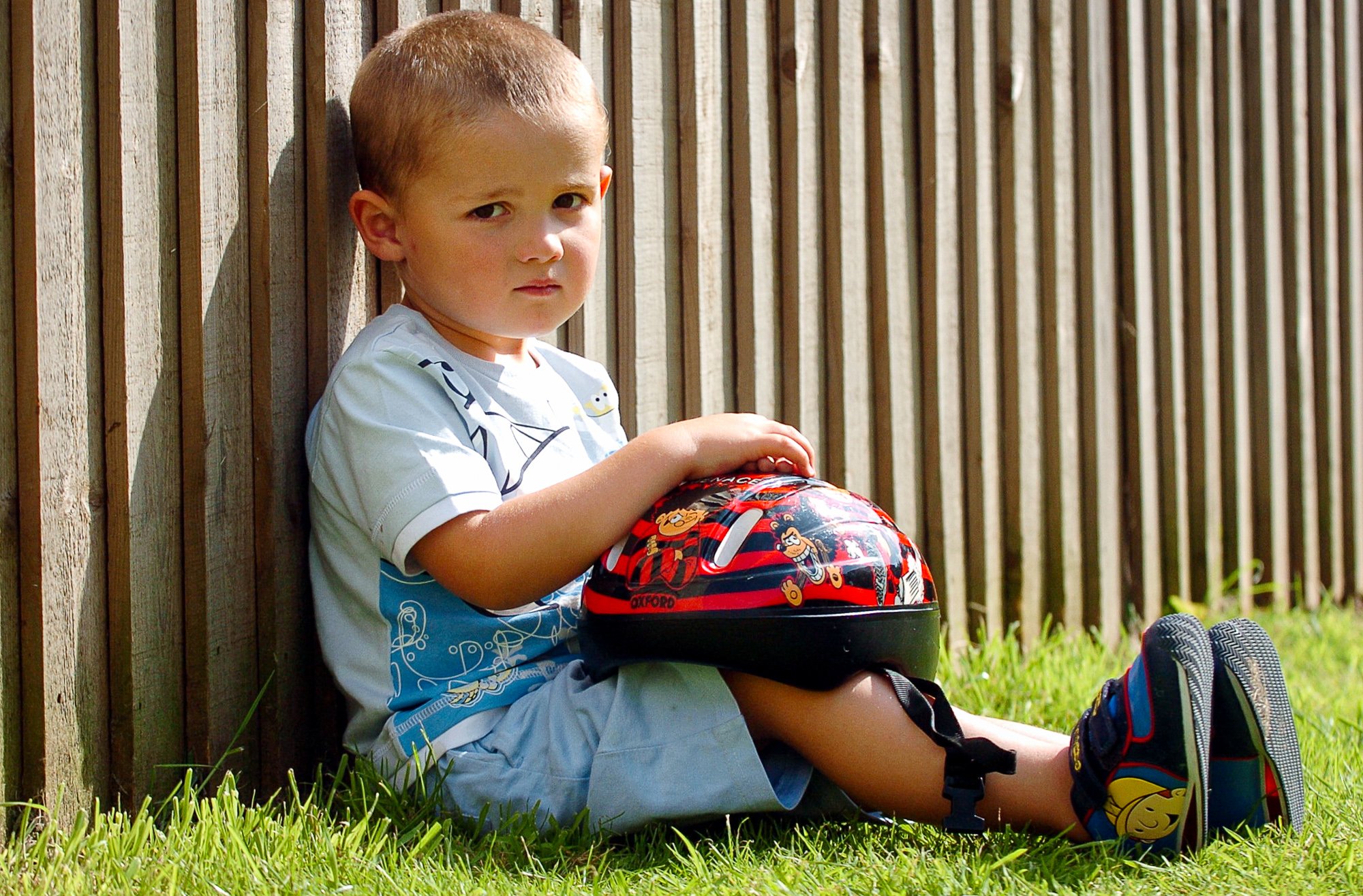
The definitive press photo, in that you should be able to deduce the story without any further information.

The dreaded “court snatch”. You’d have to go and wait outside the Crown court or (here) the magistrates’ court, and take a photo of the person involved in some or other case. Sometimes you’d have a clear description, such as “Female, aged 24, with one leg,” but more often than not you’d photograph everyone going in, and then ID them later in court. You could be there for an hour or more, offending everyone going into the building. Many people don’t take kindly to being ‘papped’, and those who have an appointment with our legal system on a rainy Tuesday tend to be the type to make their feelings clear. I was threatened with violence on a few occasions, often by those shortly about to face a judge specifically because of their violence. But it sold newspapers.
It wasn’t all exciting - far from it - but on the dull shoots things could be even more pressured. Because with less to work with, you had to think harder in order to make something interesting. And some jobs were, of course, repetitive (especially in the news cycle), but each time you found yourself back in the same place, or in a similar situation, or covering a similar story, it was another chance to do better. And this opportunity would create a shortcut to your thought process: your starting point would be where you’d ended up last time, yet you wouldn’t want to repeat exactly what you did before. You’d remember what didn’t work and what did, and would refine your approach. When you’d photographed Shrovetide football, a grieving mother, a court snatch, or someone complaining about roadworks (the epitome of press photography?) for the third time, you knew how to do it. To put it another way, there are certain ways to shoot certain things**.

Shrovetide football, held annually in Ashbourne. Violent and dangerous, the game has been played for hundreds of years and goes on for two days. It’s characterised by long periods of inaction as a giant scrum forms over the ball, suddenly pops up, is caught, a flurry of movement, then that person is mauled before a new scrum is formed over their battered body. Sometimes, someone gets free with the ball and runs to the goal - one or other side of town - but usually regrets their moment of glory after just a few seconds. Murder is strictly prohibited, but otherwise there aren’t a lot of rules. Anyway, the shot is almost invariably hands, faces and ball (essential) so get up high, be patient but be ready (and be very sure you’ve parked very far away, as anything in the way of the scrum gets trashed).

Regular football. It’s not as bad as cricket but that’s about the best thing I can say.
Anyway, as well as the variety of work, the best part was having your colleagues critique what you’d done as it appeared in the morning edition (whether you’d like it or not). Tips, experiences and knowledge were fuel and motivation for the next day - when you’d normally end up doing a bunch of completely different shoots.
In 2005, cuts were starting to taking place as newspapers’ income declined. It used to be that people would sell their house / car / dining-room table through the newspaper. There were ads for local tradespeople, dating ads and vouchers. Advertising revenues dwindled and then plummeted as people started to do all this online. And newspapers’ (usually free) online editions meant you needn’t actually buy a copy any longer. Photographers were one of the first to become expendable, as a low-quality submitted image of an RTA - which cost nothing - would beat a professional shot from a nearby bridge 20 minutes later. (People would, and still do, send in their images of snow or car crashes to mainstream media in the hope of five minutes of fame or perhaps with a sense of public duty, not realising the true value of their submission and seemingly oblivious that they’re dealing with/supporting multi-million pound industries who, incidentally, charge them to subscribe!)
After a few years I went to the Bristol Evening Post. Already a smaller team than it had once been, we were encouraged to work remotely, sending in images wirelessly. This was more productive and therefore more economical, but a drawback (for me, at least) was far less of the over-the-shoulder commentary I relied on to learn. I left after a year - the salary was a joke, I felt I wasn’t improving, and the writing was on the wall anyway. Staff who had left (across many departments) weren’t being replaced: I remember noticing I never needed to search for a car parking space under the building. I heard that just a few years later they sacked all the remaining photographers one Monday morning. And so, as I understand it, regional and local press photography is no longer a thing at all. There’s still the national press and various news agencies around the country, but I understand few of these are staff positions. And there are, of course, many other routes and backgrounds into professional photography, all with their own style and skillset. But press was a bit of everything. Front-line, messy and unforgiving, but also exciting and stressful, with moments of compassion and connection, and creativity***.

An old photo of a netball team who presumably won a competition. This was the second time I’d tried this noughts and crosses thing, and looking back all these years later (it’s an old photo) the idea still stands. Four girls and five netballs might be a better composition (because threes), but it would have been harsh to get rid of half the team for a better photo. As it is, a bit of tidying up the symmetry / lines and this would have been brilliant. It’s an old photo.
And so onto freelancing: press photography led nicely into PR photography - both are about telling stories - so that’s where I started.
The day-to-day is of course very different, but I won’t go into details here, concerned as it is with captioning, file storage, invoicing, finding clients, lens couriers, and bank holidays. There are other considerations which you don’t think about and are more interesting, or at least of equal importance. Many apply to many freelancing roles and not just photography, and certainly those who now work from home may be able to relate. So I thought I’d list a few of these observations.

For a portrait of this card-shop owner, I stole this idea outright from my truly gifted colleague Ben (who, as far as I know, actually came up with all his ideas). At the risk of massively oversimplify things, I’ll state that there are only ten basic ideas (here we have ‘framing’ and the ‘look-down’), and therefore it follows that by repetition, it’s impossible not to notice improvements.
Feedback is, I think, the biggest difference. I mentioned this earlier and know that it’s a similar issue now for many industries, with younger staff working from home. But entirely on your own, where feedback can be limited, means you’re in a bubble of one. Are you improving? Could you have done better, there? Thankfully, I’m on online forums where I can ask anything - technique to technical - and someone will help. And the range of backgrounds and skills there is extremely broad, and utterly invaluable, and has saved me on many occasions. But the hive mind is only plugged into when you’re looking for experience in a seemingly grey area of copyright law, or need contact details on fixers in Dubrovnik, or opinions on the latest AI software and its implications. It’s not the same thing as the (often harsh) daily dissection of what you shot, what you missed, and what you should have done differently on the only thing that really matters in the end: the picture.
There is, however, a different way you track your progress, and I alluded to it earlier. Press jobs would - literally - repeat, and colleagues would critique. While I don’t have these tolls for improvement, I do have repeat clients. They each commission a certain kind of work, and each have their own requirements or features. So inevitably I find myself working in similar ways on each occasion and I can compare, if not with the previous efforts, at least with past years’. And I can compare with photos in which I’ve use a similar idea (as with the examples of the chef and the card shop owner).
Moving on. Freelancing brings to mind the phrase, “You’re your own boss,” but I think it’s a misleading idea. As a freelance, you simply have a different boss for every job, with different requirements and a different relationship with each. If anything, you’re more like your HR, and - ugh - accounts. While there is undeniable freedom with one’s approach, working style and expectations (and therefore a fluid, creative, energetic and varied “work culture”, client to client) ultimately the work has to get done on time, on budget, to the best of one’s abilities. Same as for anyone. There’s no difference to being on staff as the demands are still on you, except that it’s often you alone. Failure won't result in a dressing down and another chance: it means you lose a client.
Further, there’s the picture editor’s adage: “I don’t want excuses, I want pictures!” usually as they hang up the phone. On my portrait shoot today, I had 30 minutes to set up but there was nothing to work with in the space I was given. Photography is one of those jobs where your imagination is the only limitation, and therefore the possibilities are both endless and mostly impossible to consider, and disregarded as we go down certain avenues of thought to reach the end, to get to the photo. It’s a sandbox profession in that, beforehand, I could have done (or rather, tried to do) anything I needed to make the picture work. From moving furniture, to blagging a better room, to asking someone if I could borrow their red jacket, or to see if I could find the owner of the expensive car parked outside***. The point is that I probably won’t ever meet the person who commissioned me, and they don’t know or care what I’d need to do to tell the story. That is to say, sometimes you’re completely on your own, and it’s scary when your career depends on it. Sometimes the work is easy, of course, but they’re never the interesting or memorable shoots.

And here we have ‘framing’ and the ‘look-up’ - so, basically the same picture as the card-shop. This is standard press photography fare whenever you photograph a chef, someone emptying a bin, or even a dentist (really). For the chef version, just ensure the pot is empty before climbing in.
And then there are meetings: I very rarely have to go to them. Surely that’s the best thing about freelancing. At least, I’m told over and over that this is a good thing. But I’m not sure. Because - on a serious note - with no colleagues, nobody really cares about my weekend or if I’m going on holiday. I don’t have Friday drinks, nor will I be invited to a Christmas party (I’m not crying. You’re crying.) It can be quite a lonely work life. And so, I think a meeting would be just lovely. And in the same way, regarding professional development, I’ve said that I no longer get much informed, critical feedback. And this is a very real consideration, as it can be hard to know what I need to work on. And certainly I’ve never a 360 degree appraisal. One of these, followed by a meeting with biscuits, sounds like heaven.
Obvious but it needs repeating: unlike employment, if you have a day off, it’s unpaid. Also, no sick pay, no holiday pay. Obviously. And no bonuses. And nobody will care when I retire (again, I’m not crying. You’re crying). But actually, the hardest one of all is that there are no promotions. As we’ve already covered, there is no clear progression to look back on, or forward to, nor any recognition of one’s experience.
Technology affects the employed and freelancers alike, and is of course double-edged. Improvements in camera technology and editing tools make work easier; and results more reliable and faster. If I’m concerned, it would be on the threat to photographers specifically, because now there’s less need to understand the what’s and why’s. Many of the things for which I worked hard to learn yesterday are automated with a single click today. I’m sure every generation feels that the next is less skilful and knowledgeable, that the barriers to entry are lower with each new update; but can we agree that the compound, multiplying pace of development is hard to keep up with? And so in practical terms, it’s just getting easier to produce decent results from poor ingredients (a.k.a. “good enough”). The result is that at some point one might begin questioning exactly what one can offer as a professional. As a freelance, it’s then up to you to learn other skills or offer new services - itself nothing new - but you have to work this out for yourself, and hope that these skills will remain relevant. Many freelancers go into drone photography, video, weddings, assisting or teaching.
Freelance or not, as an aside, photographers have to deal with the significant number who believe that a big camera means good pictures, which can be rather demeaning. Misunderstandings about any profession are quite normal of course, but as everyone takes pictures, everyone has an opinion. I’ve met a few people who are clearly stunned when they learn I make a living from it: “How’s the (actual finger quotes) “photography” going?” they ask.
Finally, I was never told about the positive feeling that would come with any booking, any enquiry. A new client means there’s been a recommendation somewhere. A repeat booking means a happy client. And for these, you’re forging a relationship built on shared goals, and it’s in a different space, far outside office politics. I’d go further still: for the more creative work, to have a client want to go with your style and approach - well, that’s really something. But in general it’s so liberating to be treated as an expert and left to use one’s judgment and experience entirely. And there’s nothing quite like the feeling of nailing a photo, especially on the occasions where you’re making something out of nothing. And if it’s all on you when things go wrong, then it’s only fair to take credit when you get it right. Also, win or lose, you’re always improving: you can’t help not be.
One final, final note: some people think you’re an artist. Although I’m not, I don’t mind being thought of as one.
*Others were skilled, like my former colleague Jane. Me, not so much.
**This idea is actually very important, but so tangential that it needs its own blog post (at a later date).
***Moving furniture is about as creative as I go.

Recent work - November 2022
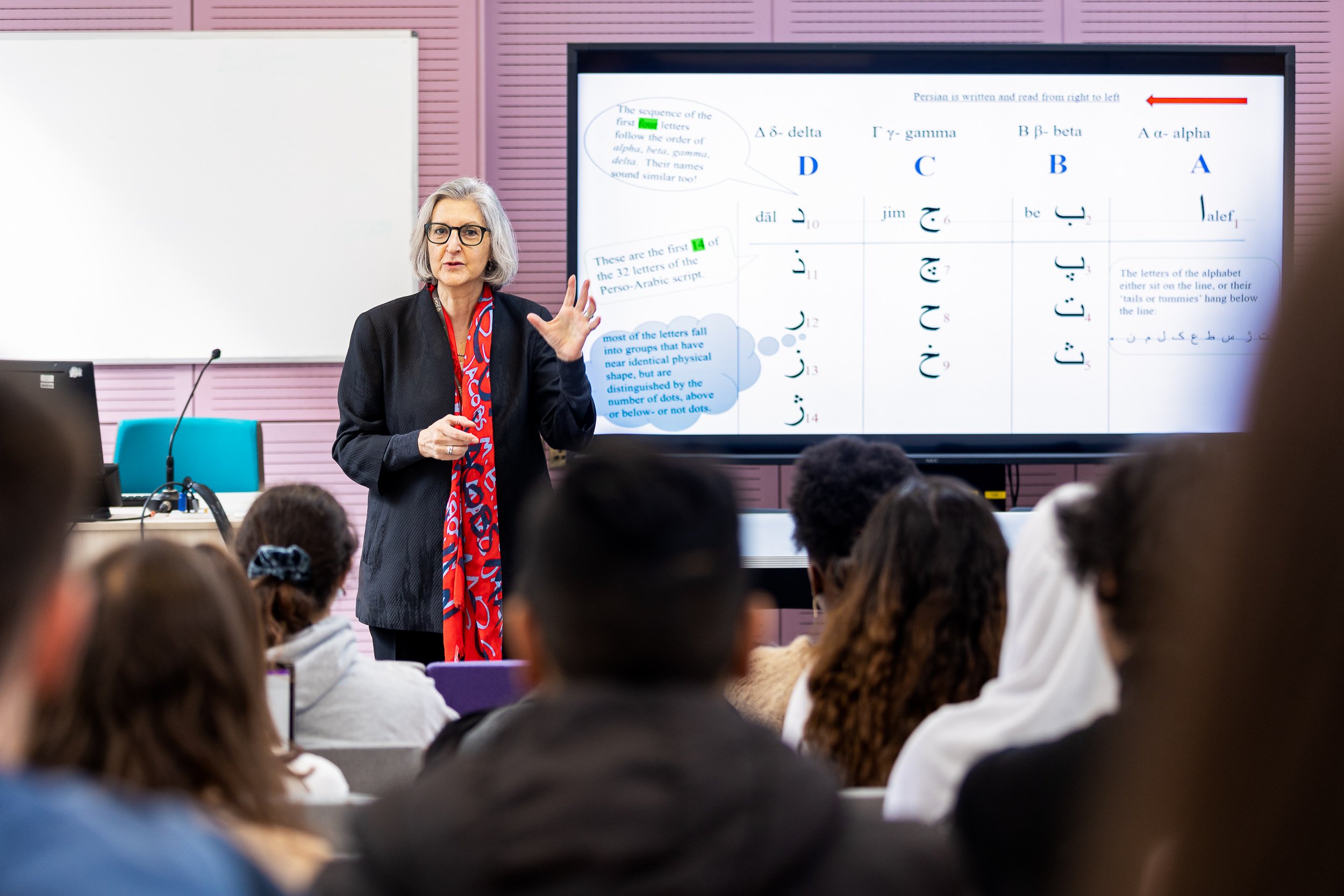
Commissions for AB magazine, Drapers, iCrossing, and others
Recent work for AB magazine, Drapers, iCrossing, and others.


Recent work - July 2022
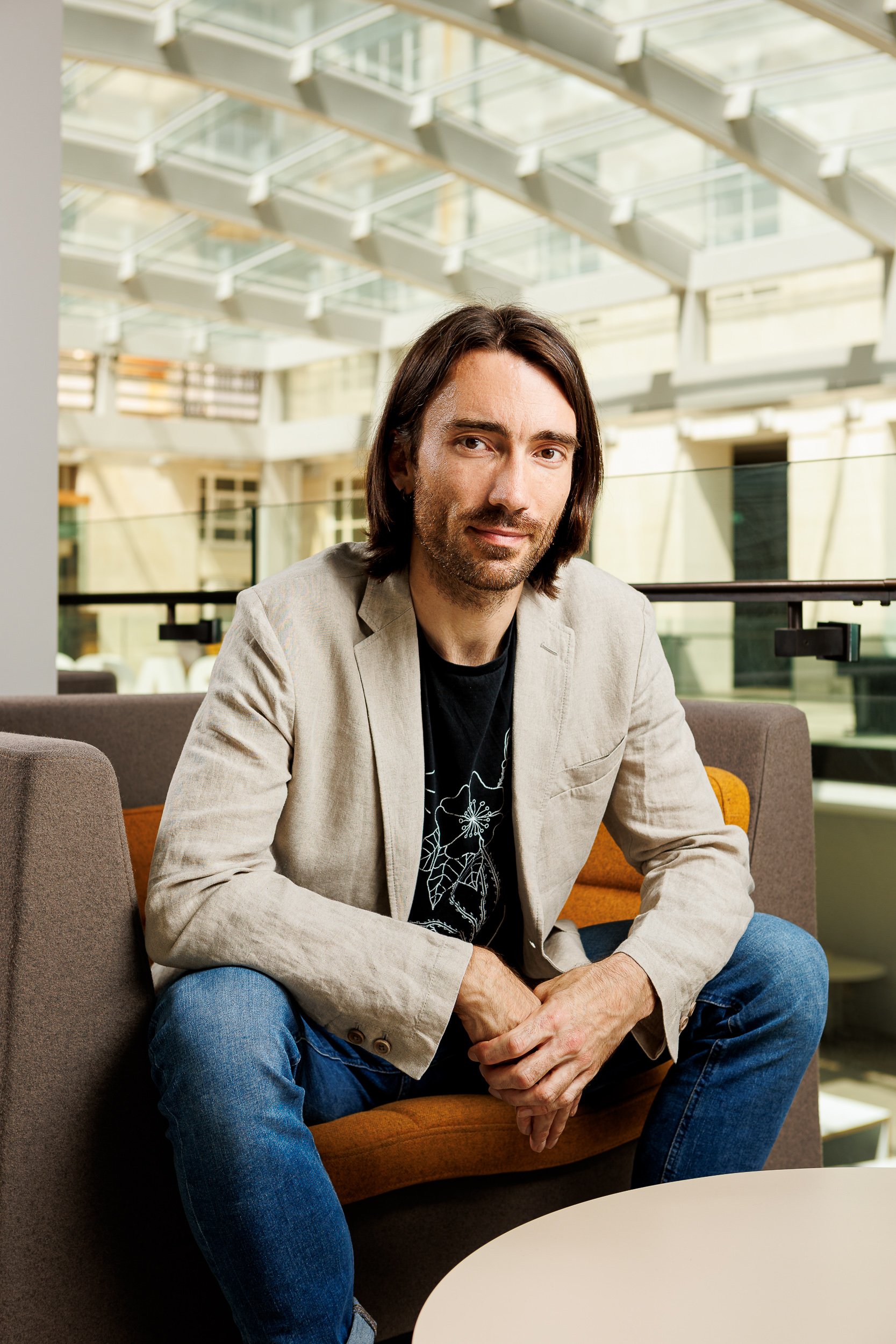
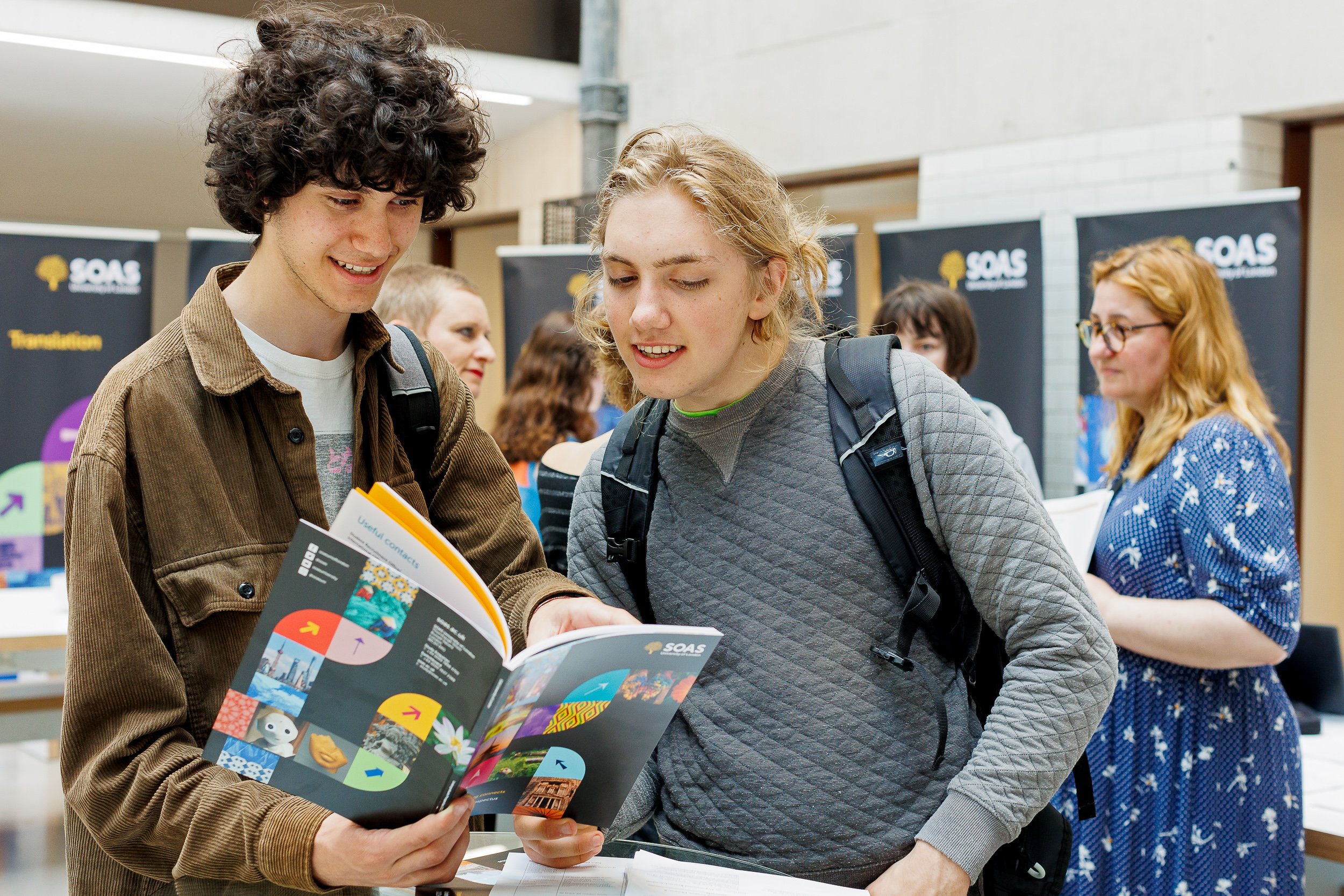
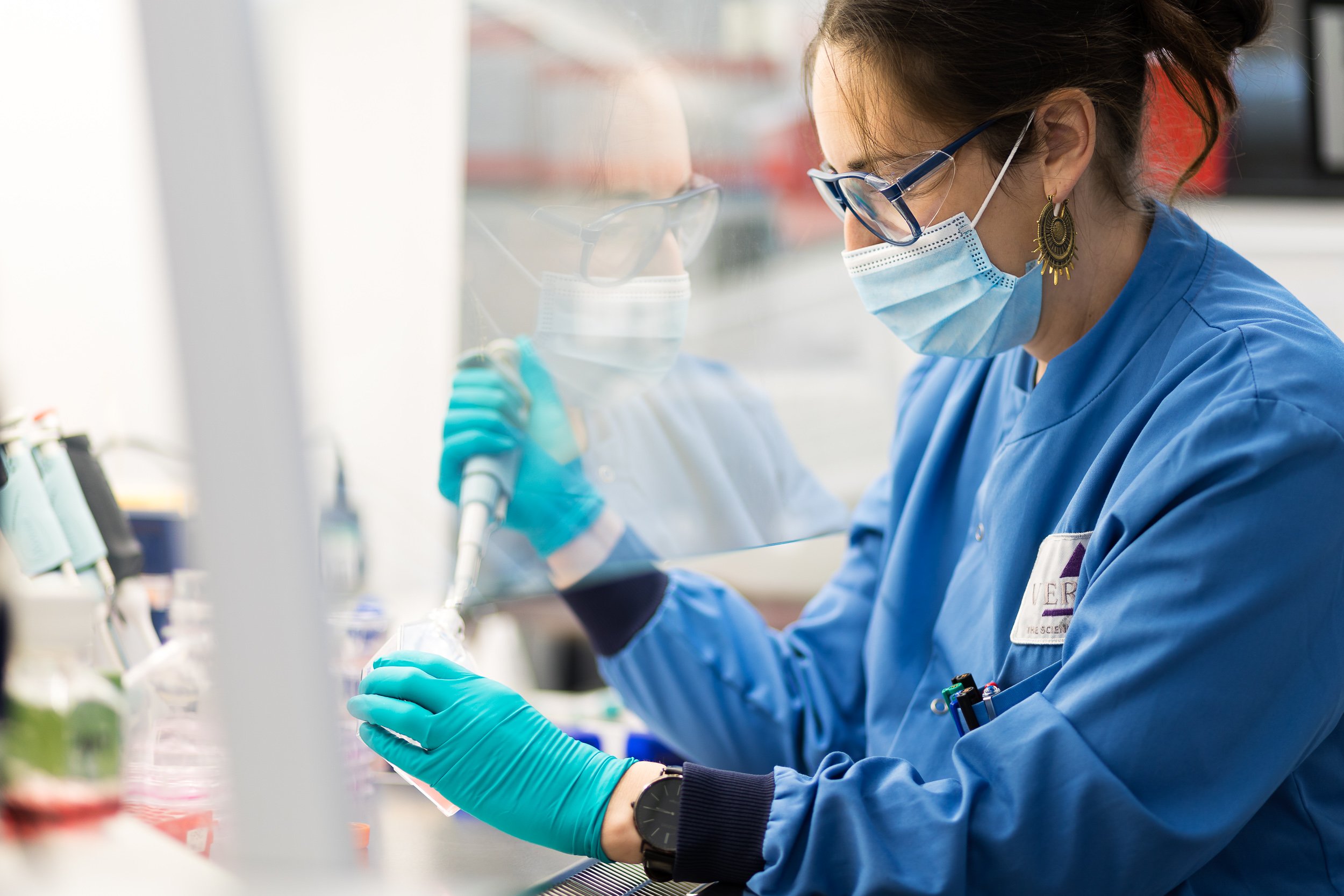
Portraits for GSK, GoFundMe and AB magazine
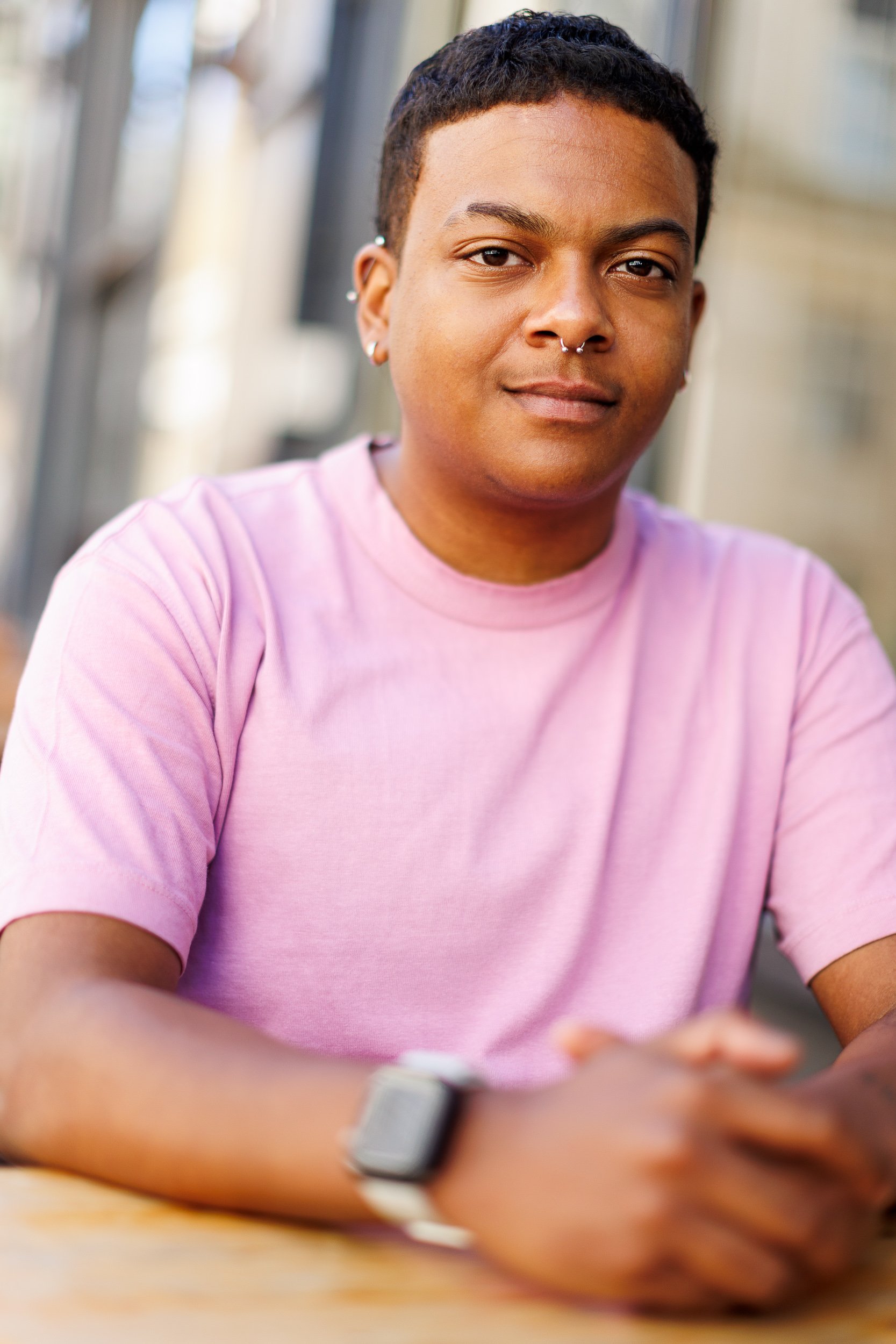
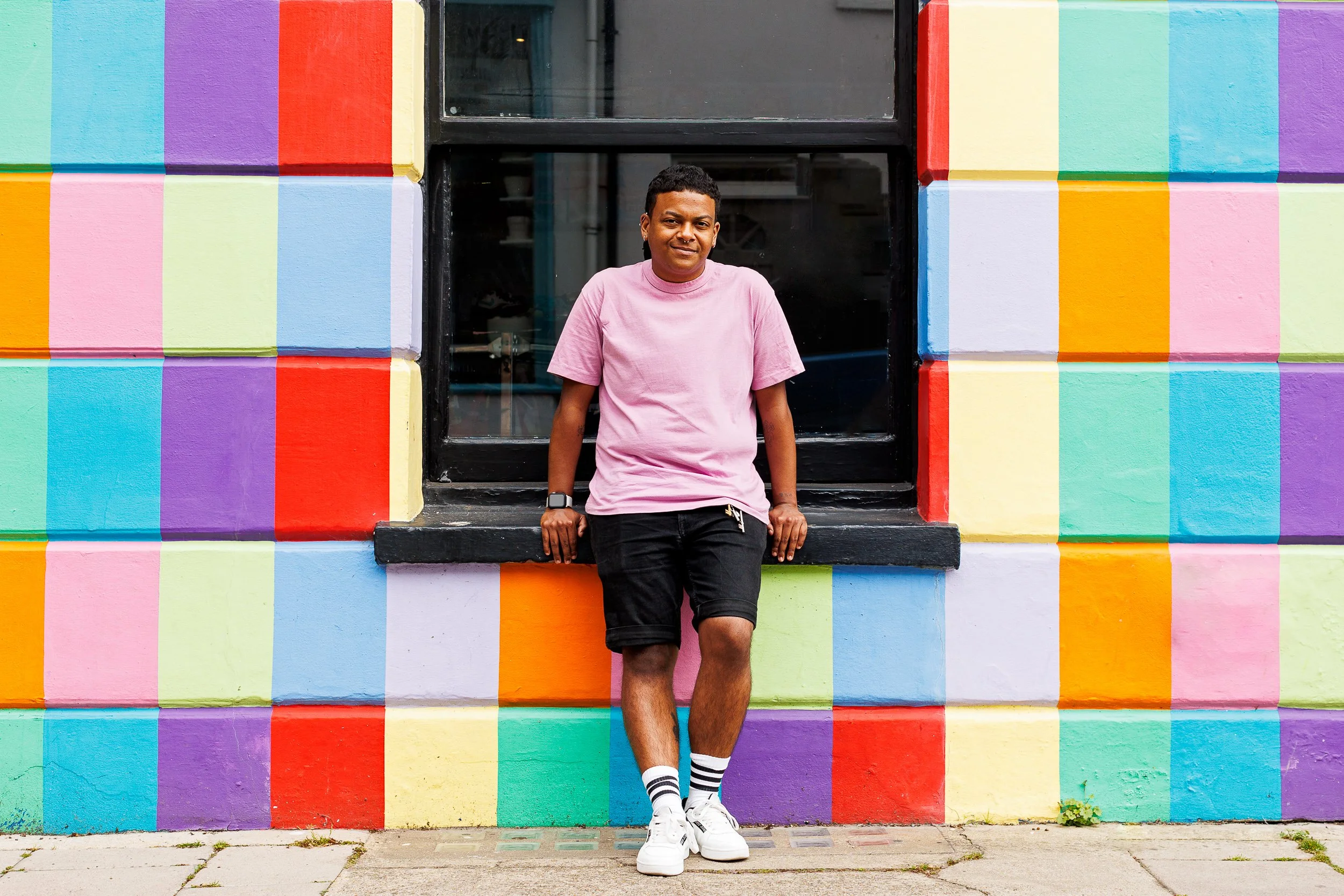
Recent location portraits for ACCA, GSK, and GoFundMe.
















Ebay
Flat lay shoot to illustrate the money to be earned from reselling lockdown purchases
I was commissioned for Ebay to shoot a flat lay - also known as knolling - to illustrate purchases made during lockdown which could then be resold, rather than gathering dust.
I had the camera on a boom about 12 feet in the air, tethered to my laptop and triggered remotely. Lighting was the primary concern here, as items in a flat lay fill the frame and need equal emphasis. I wasn’t thrilled with the reference image where strip lights had been placed around the edges. While everything had been lit identically and from from all sides, it looked very unnatural.
Soft lighting from directly above would achieve something fairly even across the frame, but risked being too boring and flat. And if it were too close to the camera it could diminish shadows to the point that objects appear “floaty”. Harder lighting wouldn’t help this, though, as reflections could become problematic, and generally, hard, direct lighting is horrible.

In the end we used one main light in a ~60° reflector, bounced into a corner of the studio, top right. As well as softening the light, it gave more light to subject distance, so less falloff. However, there was some falloff at the bottom left of the frame, so we used another light as a fill there.
The lighting now looked a touch ‘diagonal’, so a couple of poly boards filled in the darker edges at bottom right and top left. A bit messy overall, but it did the job.
Once set up, art director / production designer Aimee Meek www.meekandwild.com did the meticulous and main work (i.e. all of it) of arranging and rearranging the objects to fit the square. Flat lay items are usually grouped by colour, purpose, shape, size etc. but here the first concern was fitting them around the people, as well as near the person (i.e. age group) they refer to, whilst leaving space for text.
The final image (right) was then overlaid with prices people could expect to get for the items.


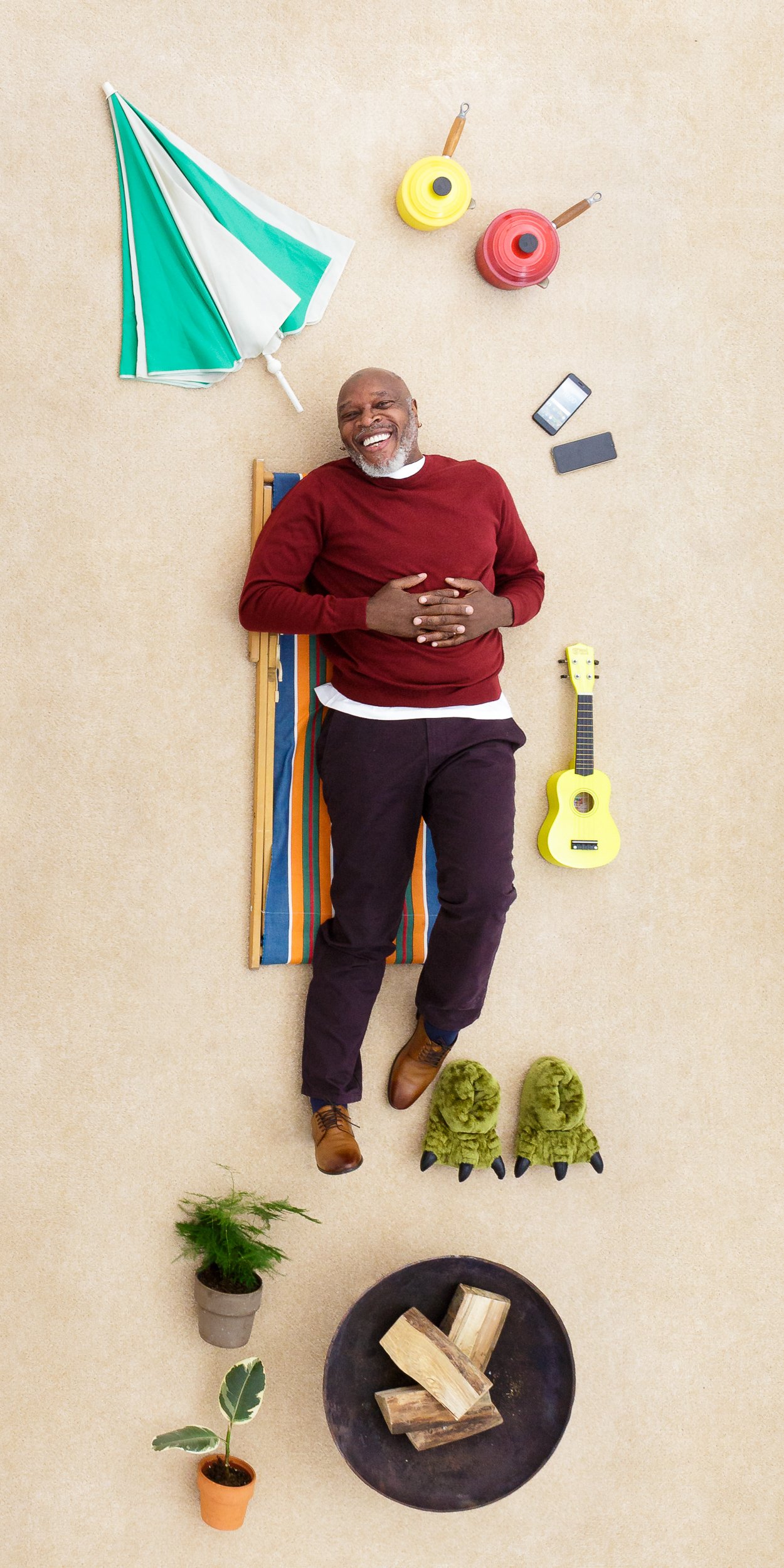
We also photographed the age groups and their things individually (above), as well as the top ten items on their own (below), where Aimee could be creative with layouts and composition.

We ended the shoot with a gif (below) - I’m still not sure if it’s pronounced ‘gif’ or ‘gif’ (or even ‘gif’ (unlikely!)). It was again magically overlaid with graphics by magical beings (and here it is on Facebook):








-
December 2025
- 8 Dec 2025 The Photographer’s Dictionary
-
June 2025
- 19 Jun 2025 The forever purge
- 6 Jun 2025 On Looking
-
November 2024
- 19 Nov 2024 Recent work - November 2024
-
September 2024
- 17 Sept 2024 Recent work - September 2024
-
July 2024
- 4 Jul 2024 Mean Girls
-
May 2024
- 28 May 2024 Wakehurst
- 20 May 2024 Graduation
-
April 2024
- 16 Apr 2024 Recent work - April 2024
-
January 2024
- 22 Jan 2024 Recent work - January 2024
- 9 Jan 2024 Long live the local
-
October 2023
- 13 Oct 2023 CBRE
- 4 Oct 2023 Recent work - October 2023
-
September 2023
- 22 Sept 2023 Seeing past the subject (2)
-
April 2023
- 12 Apr 2023 Recent work - April 2023
-
February 2023
- 7 Feb 2023 Will AI do me out of a job?
-
December 2022
- 12 Dec 2022 Freelance life and other animals
-
November 2022
- 4 Nov 2022 Recent work - November 2022
-
July 2022
- 26 Jul 2022 Recent work - July 2022
- 25 Jul 2022 SOAS
- May 2022
-
January 2022
- 6 Jan 2022 Recent work - December 2021
- 5 Jan 2022 Prevayl
-
December 2021
- 17 Dec 2021 The day the hairdressers opened
-
December 2020
- 15 Dec 2020 SOAS - postgraduate prospectus
- 7 Dec 2020 Online teaching
-
October 2020
- 11 Oct 2020 Gratitudes
-
September 2020
- 24 Sept 2020 Headshots: why we need them, and why we don't like them
- 15 Sept 2020 From the archives - seven
- 10 Sept 2020 Recent work - September 2020
-
February 2020
- 13 Feb 2020 Mootral
-
November 2019
- 7 Nov 2019 Biteback 2030
-
September 2019
- 16 Sept 2019 B3 Living
-
July 2019
- 22 Jul 2019 Recent work - July 2019
- 19 Jul 2019 From the archives - six
-
April 2019
- 15 Apr 2019 Recent work - April 2019
-
March 2019
- 12 Mar 2019 International Women's Day
- 11 Mar 2019 The forever purge
- 11 Mar 2019 Recent work - June 2025
- 11 Mar 2019 On Looking
-
February 2019
- 4 Feb 2019 Recent work - February 2019
-
January 2019
- 17 Jan 2019 Four photographs
-
December 2018
- 10 Dec 2018 From the archives - five
-
November 2018
- 26 Nov 2018 How to compose photographs
- 5 Nov 2018 Recent work - November 2018
-
October 2018
- 17 Oct 2018 How to edit photographs in Instagram
- 8 Oct 2018 Out with the old
- 4 Oct 2018 Recent work - October 2018
- 1 Oct 2018 A little learning is a dangerous thing
-
September 2018
- 12 Sept 2018 From the archives - four
-
August 2018
- 16 Aug 2018 Recent work - August 2018
- 15 Aug 2018 I don't follow you
- 6 Aug 2018 Cookpad
-
June 2018
- 7 Jun 2018 Monks & Marbles
-
May 2018
- 23 May 2018 Netflix & Woof
- 21 May 2018 Best of Instagram
-
April 2018
- 24 Apr 2018 Standard Chartered Bank
-
March 2018
- 16 Mar 2018 Corporate self-portraiture (two)
- 8 Mar 2018 International Women's Day
-
February 2018
- 9 Feb 2018 Winter swimming
-
January 2018
- 16 Jan 2018 2017 in pictures
-
December 2017
- 6 Dec 2017 Toyota Mobility Foundation
-
November 2017
- 24 Nov 2017 Corporate work
-
October 2017
- 31 Oct 2017 Recent work - October 2017
- 13 Oct 2017 Pfizer - Protecting our Heroes
-
August 2017
- 22 Aug 2017 Wyborowa vodka
- 1 Aug 2017 Vauxhall animation
-
July 2017
- 20 Jul 2017 Take your parents to work
-
June 2017
- 22 Jun 2017 Recent work - June 2017
-
May 2017
- 9 May 2017 Huawei - The New Aesthetic
-
April 2017
- 24 Apr 2017 S.H.O.K.K.
-
March 2017
- 30 Mar 2017 Parkour Generations
- 27 Mar 2017 War Horse in Brighton
- 20 Mar 2017 Jane Eyre
-
January 2017
- 23 Jan 2017 Framing 101
-
December 2016
- 14 Dec 2016 Studio Fractal
-
November 2016
- 29 Nov 2016 Musician
- 10 Nov 2016 While I was waiting...
- 3 Nov 2016 Canvas
-
October 2016
- 11 Oct 2016 Rose Bruford
-
September 2016
- 21 Sept 2016 Instawalks
-
July 2016
- 28 Jul 2016 Property brochure
-
April 2016
- 6 Apr 2016 Breaks and burns
-
March 2016
- 31 Mar 2016 Mixed bag
- 1 Mar 2016 Sky Garden
-
November 2015
- 10 Nov 2015 Romain Grosjean
- 2 Nov 2015 Egosurfing
-
October 2015
- 1 Oct 2015 Ratings are overrated
-
September 2015
- 15 Sept 2015 Seeing past the subject
-
August 2015
- 25 Aug 2015 British Gas
- 19 Aug 2015 Problem solving vs creativity
-
December 2014
- 15 Dec 2014 2014 in pictures
-
January 2014
- 9 Jan 2014 2013 in pictures
-
December 2012
- 31 Dec 2012 2012 in pictures