
The art of tidying up / The easiest way to improve any photograph
Forged by Lord Sauron in the fires of Mount Doom during the Second Age of Photoshop, the Crop Tool is the most powerful of all of the tools.
Even if you do nothing else with your pictures on the editing side, I would urge you to crop. It's quick, easy, and can make a big difference. More than this, it forces you to think about your photos - and this will improve your photography. Specifically composition. Not just for arty landscapes and eclipses; but holiday shots, family snaps, and photos of your cat.
You only really control two things*: where you point your camera, and when you press the shutter. We’re looking at where you point your camera. And it’s not only about subject matter, but composition. Cropping is a second bite of the composition cherry. It’s composition after the fact. And it’s done at your leisure.
(In the Holy Trinity of basic editing there’s also brightness and there’s colour - both usually need adjusting, I find - but while these two are about changing how a photo looks, cropping can change what it means. While it’s also a corrective device, (I think) it’s also a stronger creative device than the others. It’s about impact, simplicity, balance, use, and even meaning.)
Impact
“Fill the frame” is a useful default when taking pictures. In a world where the vast majority of images are never viewed on anything larger than a phone screen, every pixel counts. And so the larger your subject appears in the frame (in camera, it’s by zooming in or getting closer; in cropping, it’s by removing “dead space”) the more simple and the more impactful it will usually be.
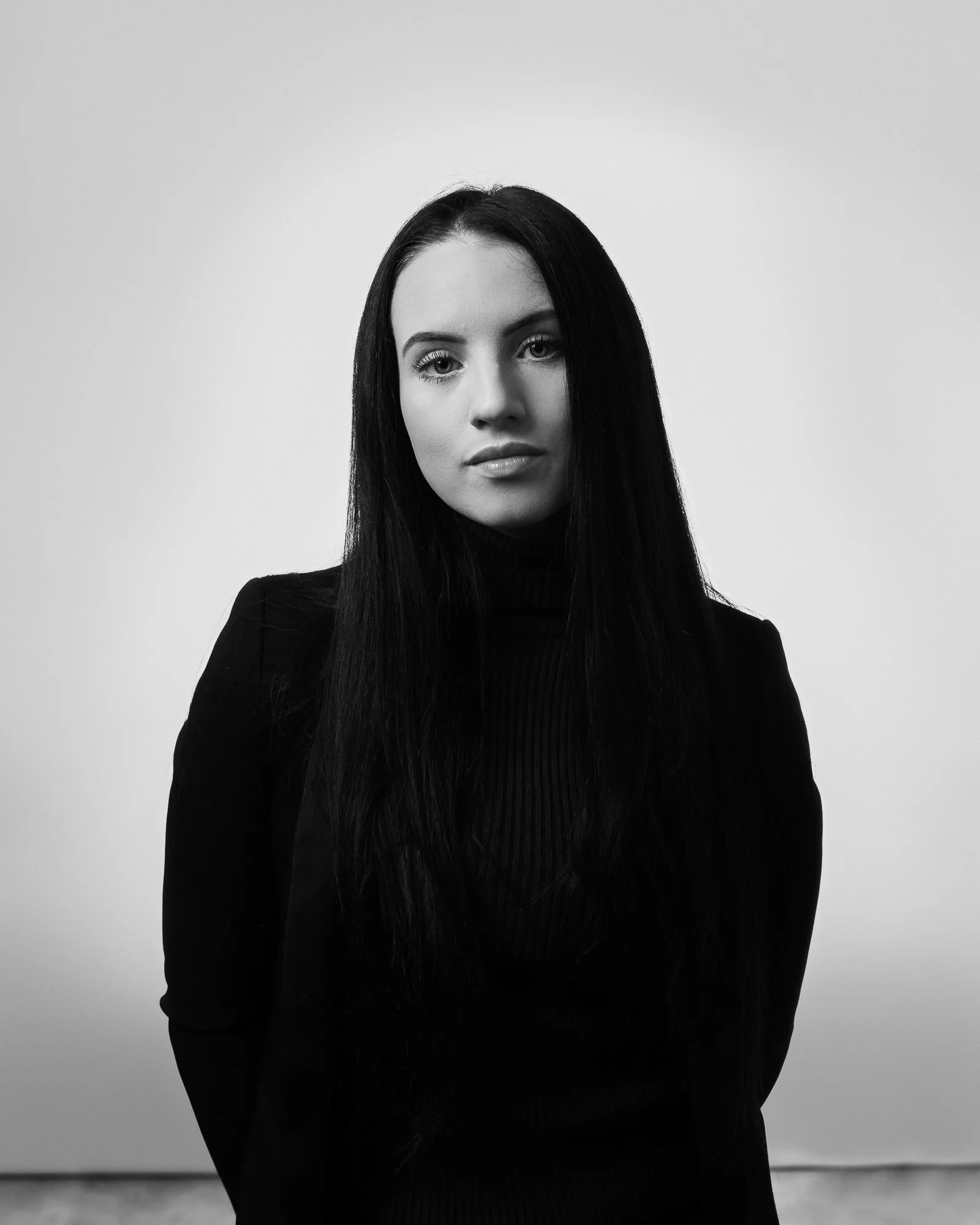
The original image is looser, with the floor visible at the bottom of the frame.
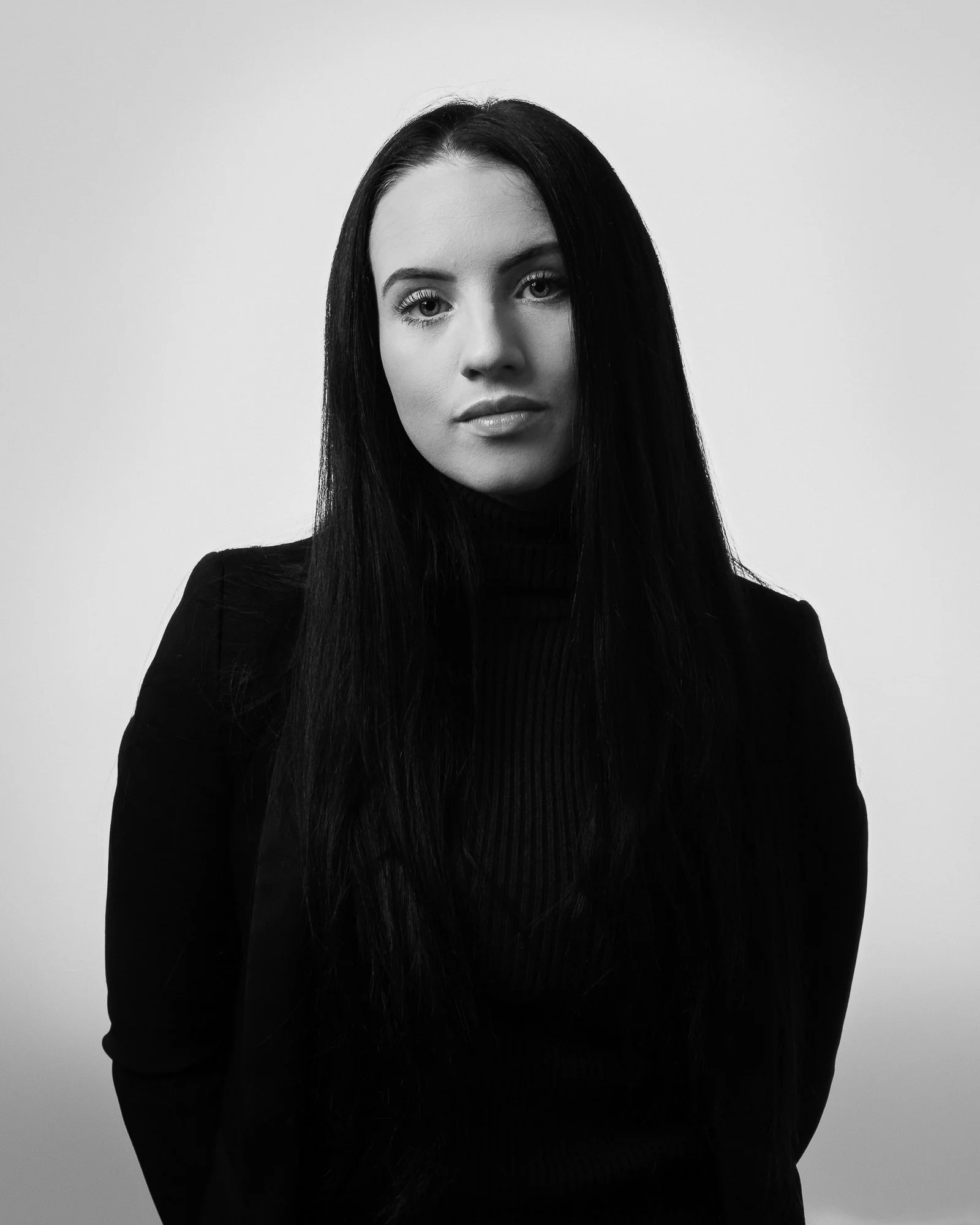
Cropped in, the subject becomes larger (more impactful) and the distracting floor is removed.
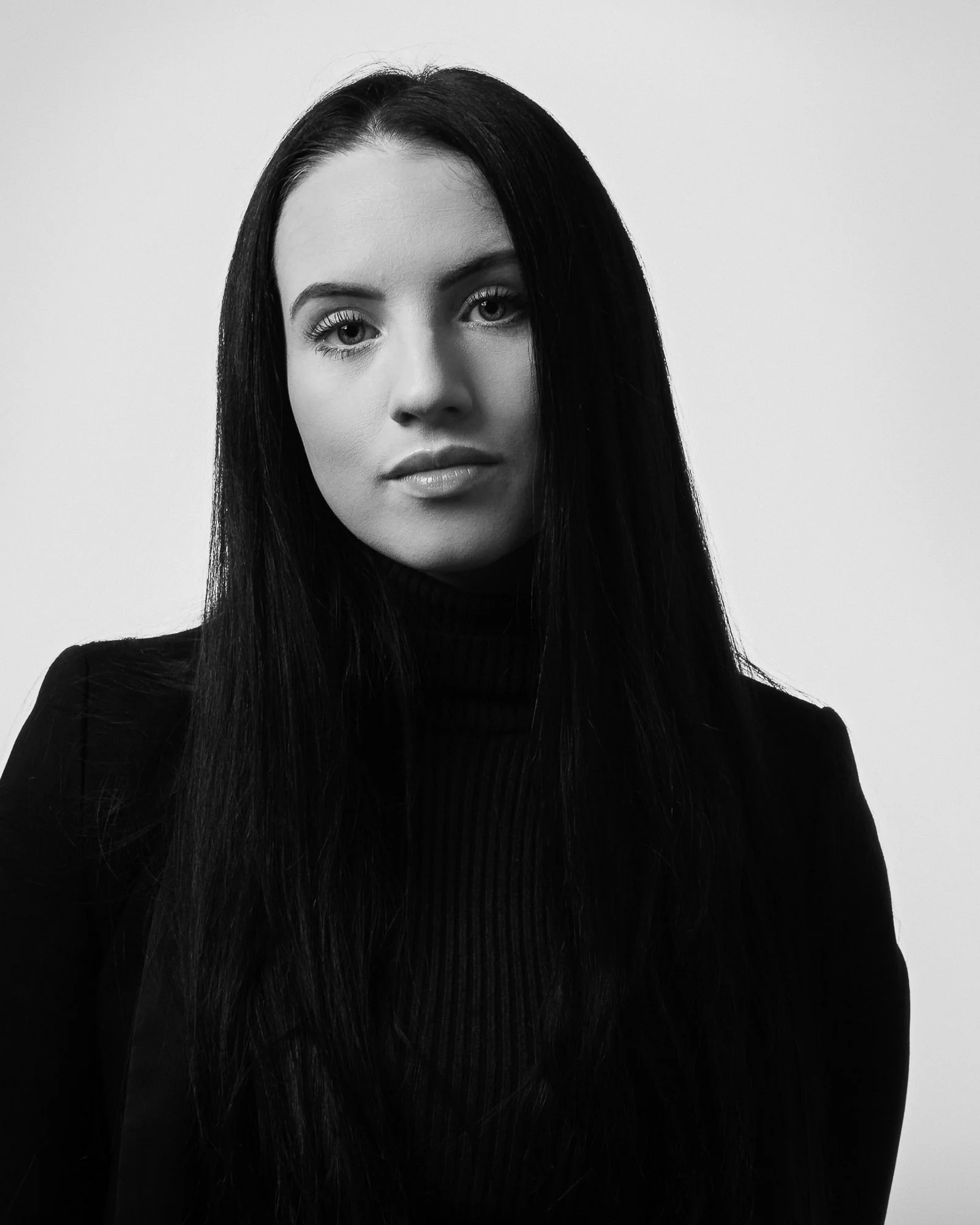
An even tighter crop changes the image into a headshot, with more of a graphic composition.
Alas, what’s captured seldom fits the dimensions of a camera frame exactly, even with the best intentions. A standing person, a group of three, a landscape and a solar eclipse don't conveniently come in the same shape. Your camera gives you one rectangle (and these differ: for instance an iPhone has a 4:3 ratio, whereas a DSLR is 3:2); but the finished photograph doesn't have to keep it.
So, crop your pictures if for no other reason than this.
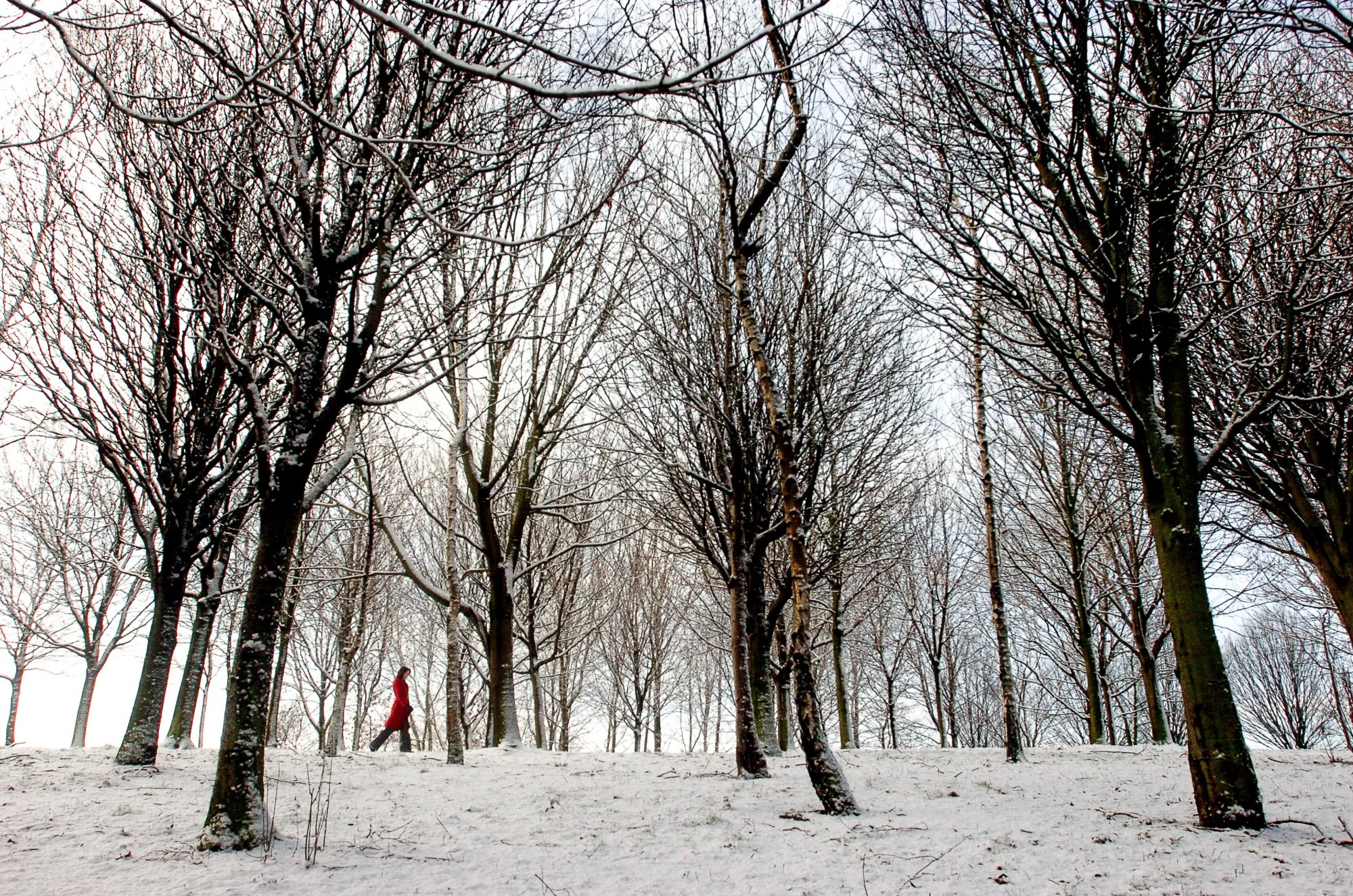
The original frame is about scale - the person is small among the trees.
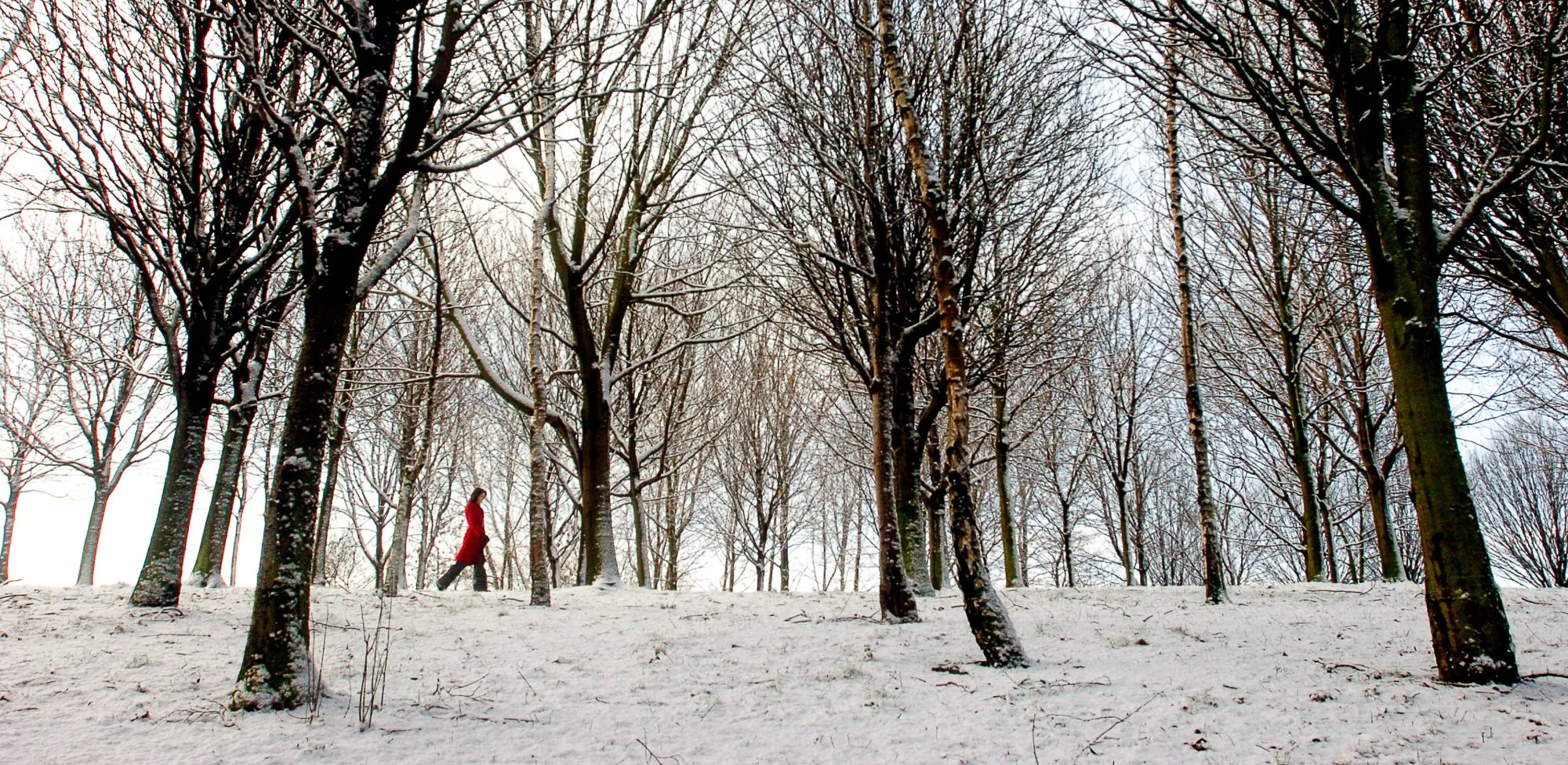
A landscape crop emphasises a more left-to-right reading (it’s important the person is on the left moving “into” the image). The distracting horizontal branches at the top of the frame have also been removed.
Simplicity
Along the lines of getting rid of “dead space”, another maxim is, “Anything which doesn’t add to the picture, takes from the picture”. Detritus, distractions or otherwise irrelevant details towards the edge of the frame can often be cropped off without affecting the subject. Plug sockets, people in the background, boring flooring, bins you didn’t notice, empty sky.
In other words, cropping is tidying up.
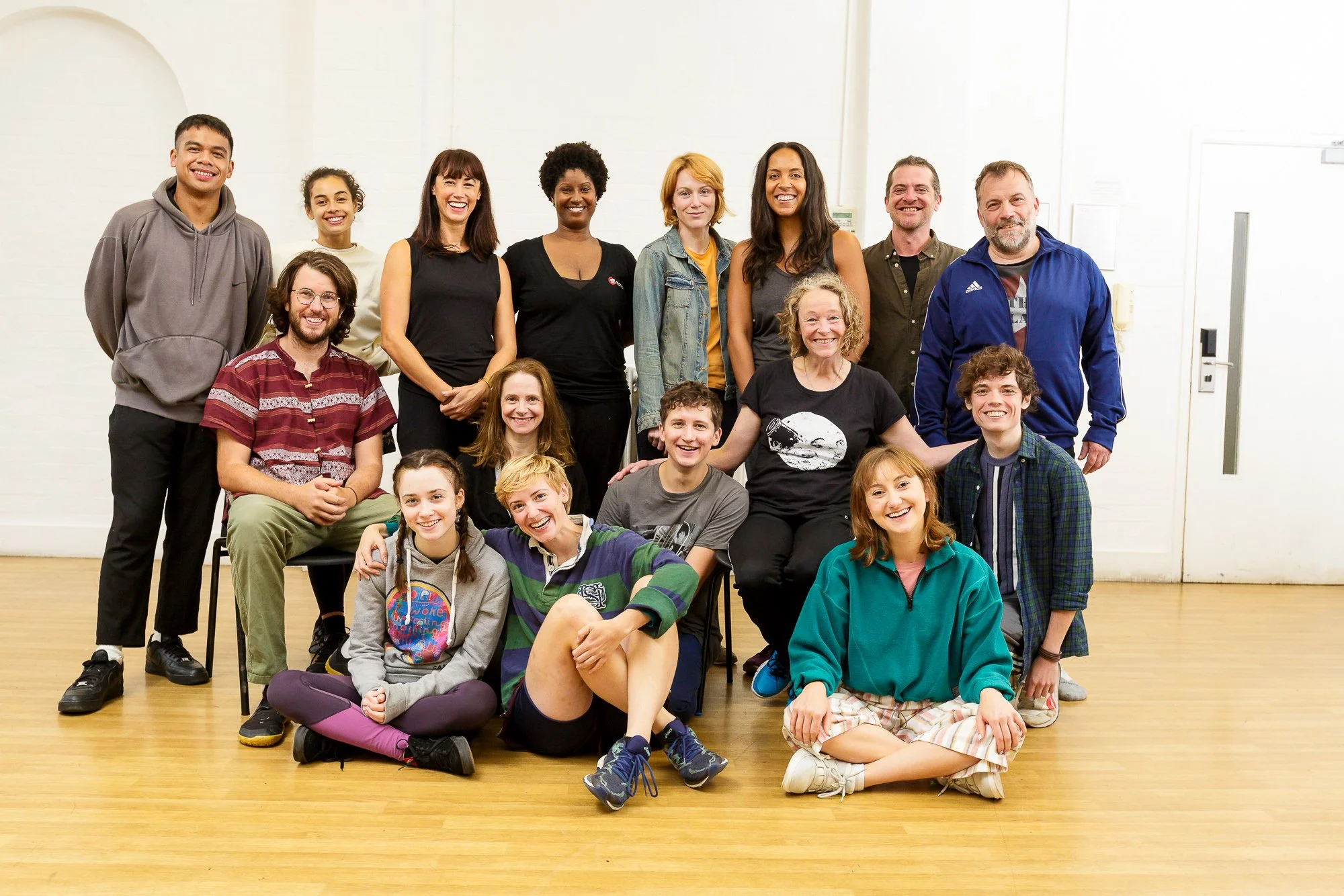
The original shot is loose, and there’s an annoying door.
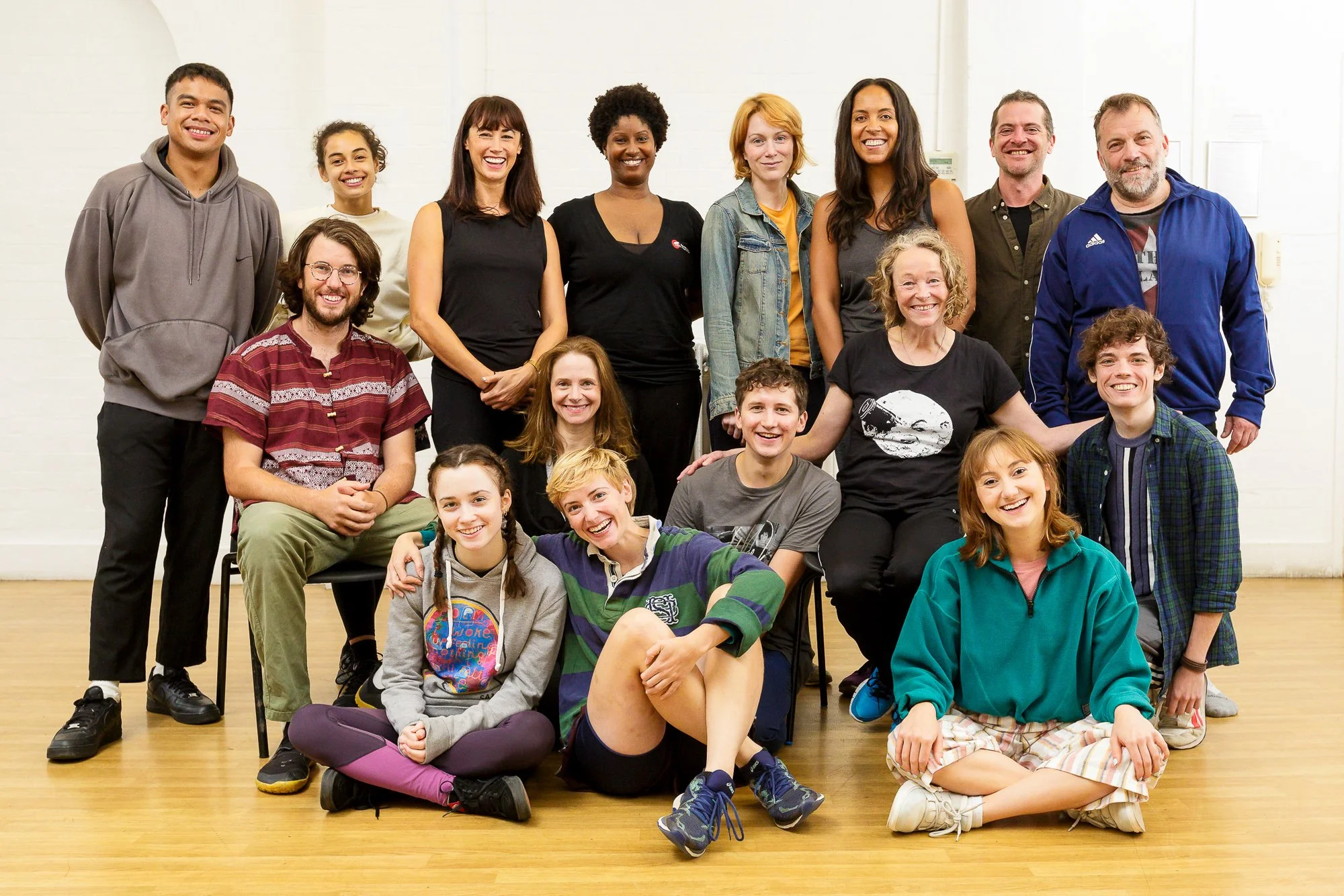
The cropped version is cleaner, with the group larger in the frame. Straightening an image deserves a mention here, and it’s in the crop menu. Wonky horizons (especially water) should be straight where possible**.
Balance
Cropping allows us to 'create' a composition where it’s poor, and fine-tune it when it's good. I wrote about composition in another article, but for our purposes here it’s about balance and visual weight, and - happily - it’s intuitive.
Use
It barely needs saying but where a picture is going will affect the crop: a LinkedIn headshot, an Instagram post, and a website banner all have different dimensions.
Meaning
Extreme cropping can change the meaning / interpretation of an image. Famously, Nick Ut’s Napalm Girl was cropped on publication.
Cropping considerations
Decisions about where and how much to crop are influenced by what else is in the picture. In other words, sometimes you can’t make a “clean” crop: there are usually trade-offs. For instance, removing an irritating random person from the background might also mean cropping off your subject’s hand at the wrist. Or it might make unbalanced an otherwise well-composed image. But you can always shave off a bit!
Anyway, just remember ABC - Always Be Cropping.
*for the sake of this article.
**except in horror movies, which have long used the “Dutch Angle”, deliberately tilting the frame to create unease.